
Stay up to speed with stories written by drivers, for drivers.
Get automotive news, DIY tips, market trends, in-depth car profiles, and more right in your email inbox.
It’s spring cleaning time at the Tampa Bay Automobile Museum. The museum is selling 18 cars from its collection, and they’re all live on Hagerty Marketplace with no reserve. From a pioneer in aerodynamics to a rare Renault roadster, here are five offbeat classics from the Tampa Bay Automobile Museum sale.
1950 Tatra Tatraplan
 Hagerty Marketplace
 Hagerty Marketplace
 Hagerty Marketplace
 Hagerty Marketplace
 Hagerty Marketplace
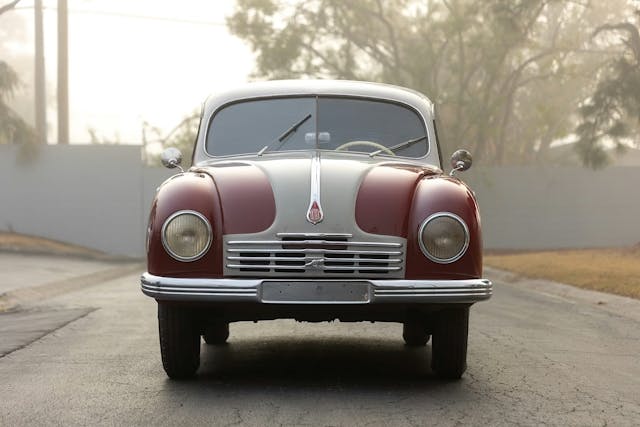
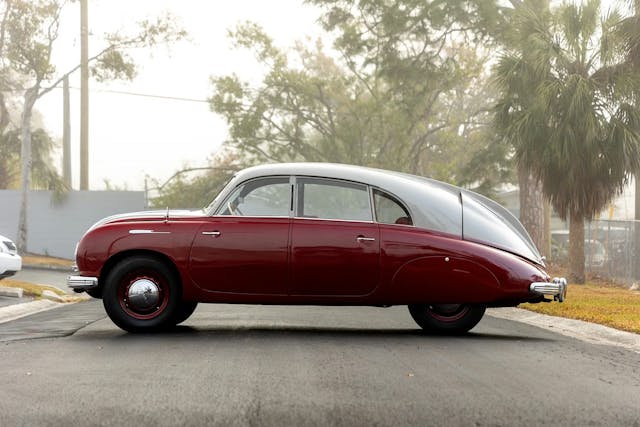
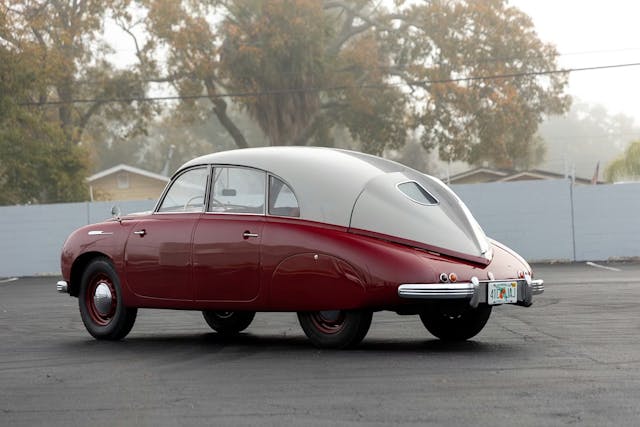
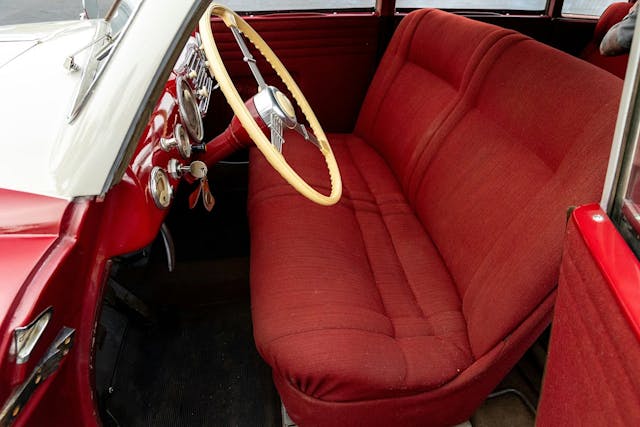
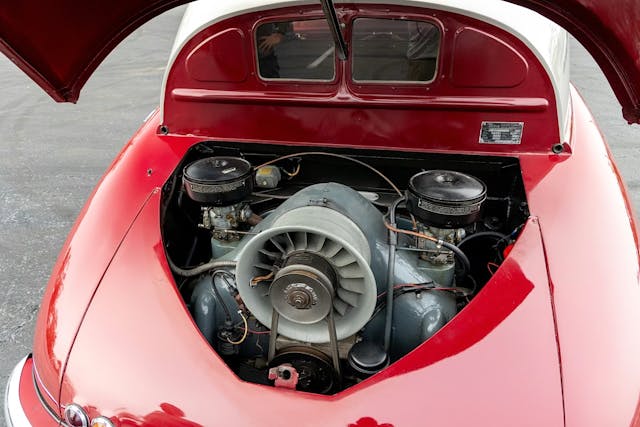
Few carmakers nail the “eccentric” and “innovative” balance as well as Tatra. The company understood the importance of aerodynamics before many of its peers and rivals, and it channeled the lessons learned into a series of big sedans built until the late 1990s. Sold from 1948 to 1952, the Tatraplan was powered by a rear-mounted air-cooled flat-four, and it had a 0.32 drag coefficient; That’s on par with a 1999 Acura NSX.
The 1950 example that’s currently live on Hagerty Marketplace was imported from Belgium. It’s said to be in mostly original condition, though the listing notes that it was recently repainted and that some of the chrome exterior trim pieces were refinished, and it’s sold with a clean Florida title. The sale includes a Belgian-market sales brochure for the Tatraplan, which at this point might be rarer than the car itself.
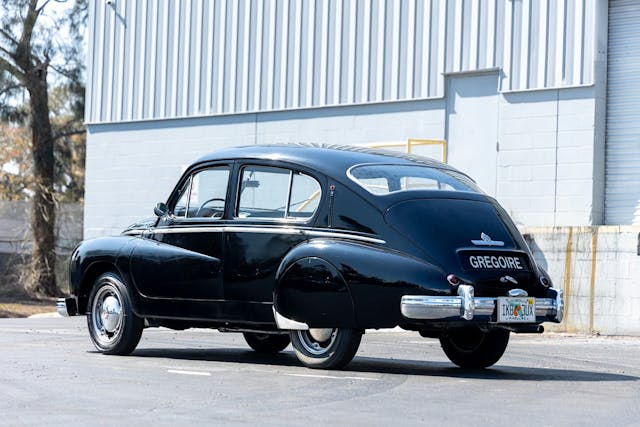
1951 Hotchkiss‑Grégoire
 Hagerty Marketplace
 Hagerty Marketplace
 Hagerty Marketplace
 Hagerty Marketplace
 Hagerty Marketplace
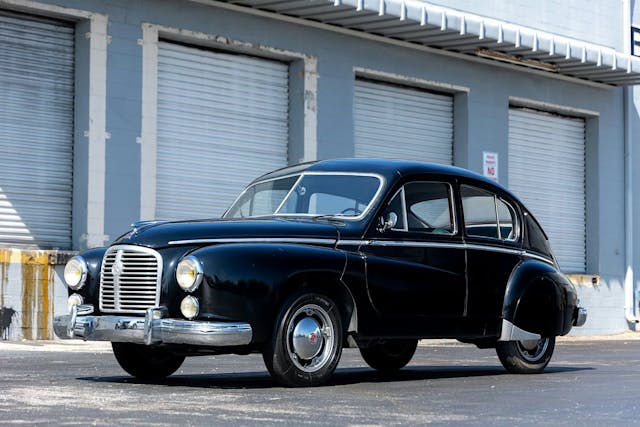
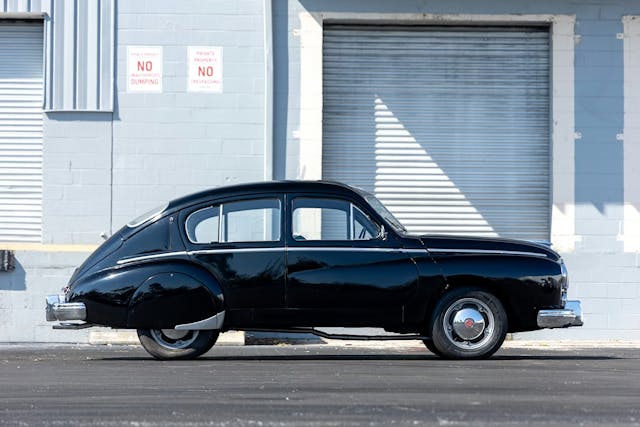
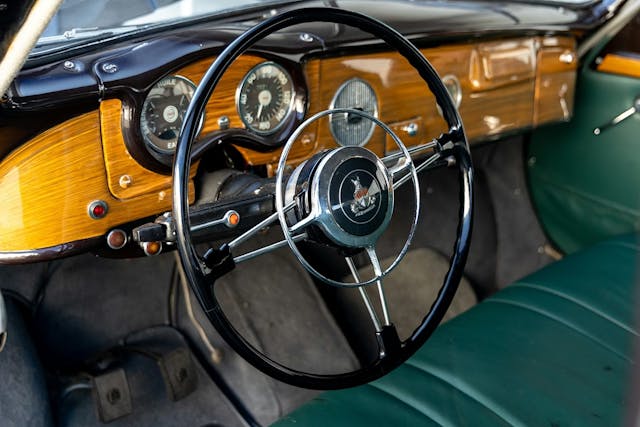
French engineer Jean-Albert Grégoire unveiled a forward-thinking prototype called the R in 1947. The one-off model brought together numerous innovative features that were rare in post-war Europe, including front-wheel-drive, aerodynamic styling, and a four-wheel independent suspension. Grégoire couldn’t build and market the R himself, so he sold the design to Hotchkiss in June 1949. Production finally started in 1951.
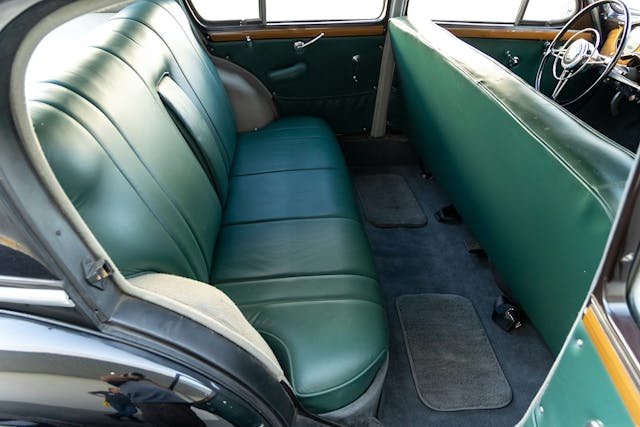
In hindsight, the R changed little as it transitioned from a prototype to a production car. Styling cues such as the grille were redesigned, the third side windows were left out, and Hotchkiss made the car about four inches longer, but the overall silhouette remained pretty much untouched. The long front overhang hid a 2.2-liter flat-four initially rated at roughly 75 horsepower and linked to a four-speed manual transmission, while aluminum construction kept weight in check. Costs weren’t kept in check, however; the car was criticized for being way too expensive, and production ended in 1954 after precisely 247 units were built.
Finding a Hotchkiss-Grégoire in France is easier said than done; Finding one in the United States is even more difficult. And yet, the example live on Hagerty Marketplace has been on our shores since 1953. It first turned a wheel on American roads in New York, and it later ended up crushed by a tree in Colorado. It wasn’t too far gone to save, luckily, so it was fully restored, and it looks like it’s in near-new condition.
1968 Ford Zephyr Mk IV AWD Police Car Prototype
 Hagerty Marketplace
 Hagerty Marketplace
 Hagerty Marketplace
 Hagerty Marketplace
 Hagerty Marketplace
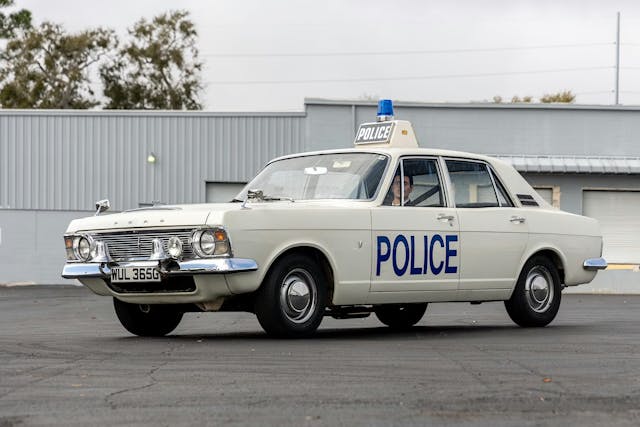
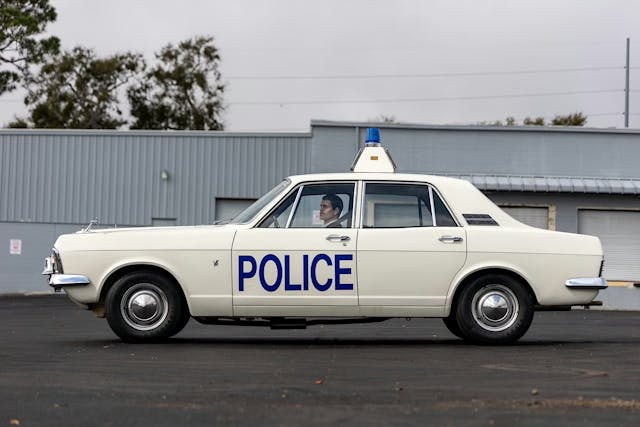
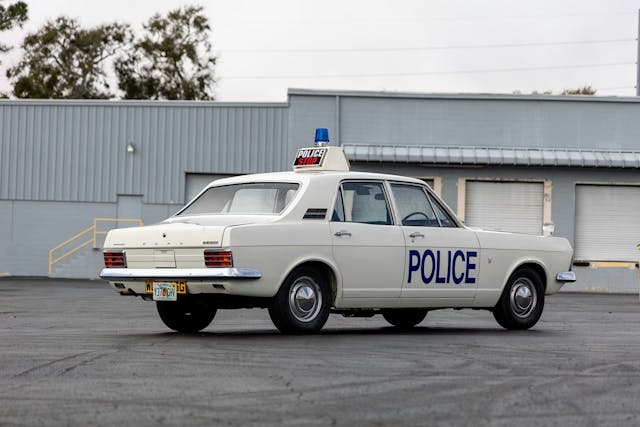
Here’s a good example of why you shouldn’t judge a car by its styling. At first glance, this Ford Zephyr Mk IV is a relatively plain classic British police car. There’s a lot more going on under the body: It’s one of 22 examples commissioned by the British government to test new technology designed to improve handling.
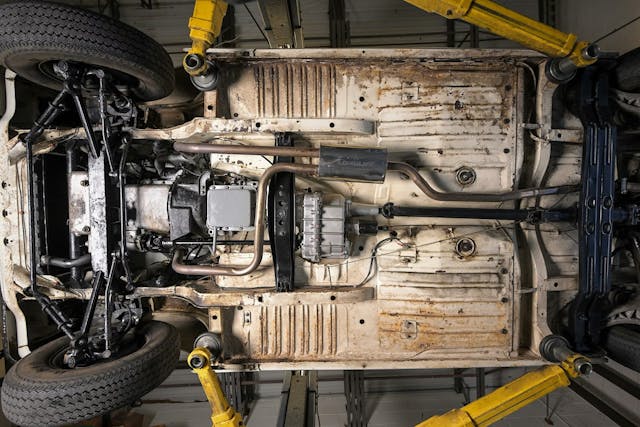
The features fitted to these prototypes were surprisingly forward-thinking for the era. They were modified with a Ferguson Formula four-wheel-drive system and a Dunlop Maxaret anti-lock braking system (ABS), which were both already used by the Jensen FF. The idea was that sending the power to both axles and keeping wheel lock in check during heavy braking would make patrol duty much safer for police officers.
Working closely with the British government, Ford also installed a high-compression 3.0-liter Essex V-6, a heavy-duty suspension system built using Mustang-sourced components, and a beefier electrical system. The 22 prototypes were put through numerous tests starting in late 1968 before the project was canceled.
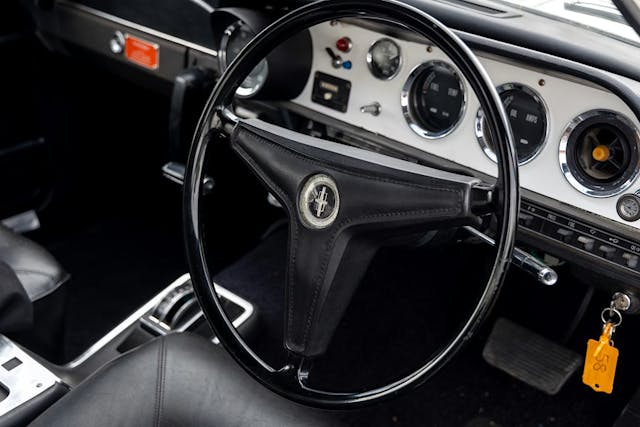
The example sold by the Tampa Bay Automobile Museum is the first one built and one of two left. How it ended up in a Florida museum is a mystery, but it looks like it’s in excellent condition inside and out; It even retains period-correct patrol equipment, like a roof-mounted siren and a phone on the dashboard.
As a side note, Ferguson Research also tested its four-wheel-drive system in a Mustang in 1965.
1973 Citroën SM
 Hagerty Marketplace
 Hagerty Marketplace
 Hagerty Marketplace
 Hagerty Marketplace
 Hagerty Marketplace
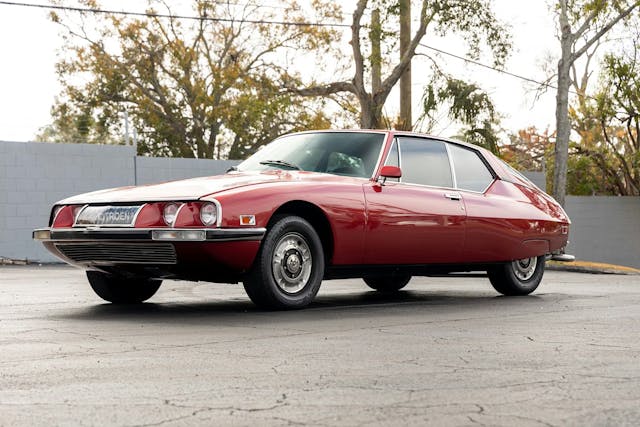
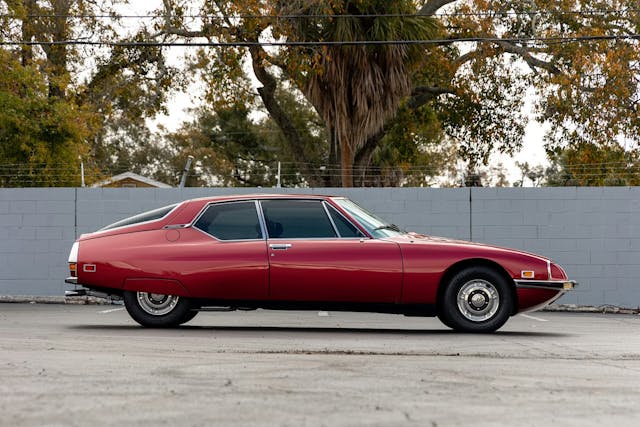
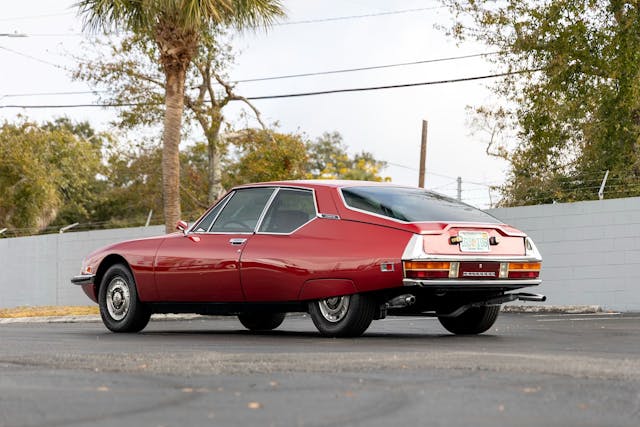
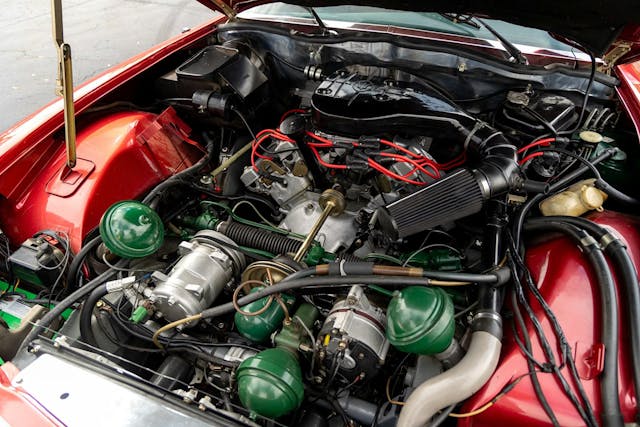
The merger between Fiat-Chrysler Automobiles (FCA) and PSA Peugeot-Citroën brought together two old acquaintances: Maserati and Citroën. Citroën purchased Maserati in 1968 and wasted no time in using its new Italian division’s V-6 engine to power a flagship model. Launched in 1970, the SM landed as an odd mix of French hydropneumatic suspension technology and Italian performance. It was a joy to drive and, by most accounts, a nightmare to work on, but it filled its range-topping role relatively well until demand for big, fuel-thirsty cars collapsed in the wake of the first oil crisis. Approximately 13,000 units were made.
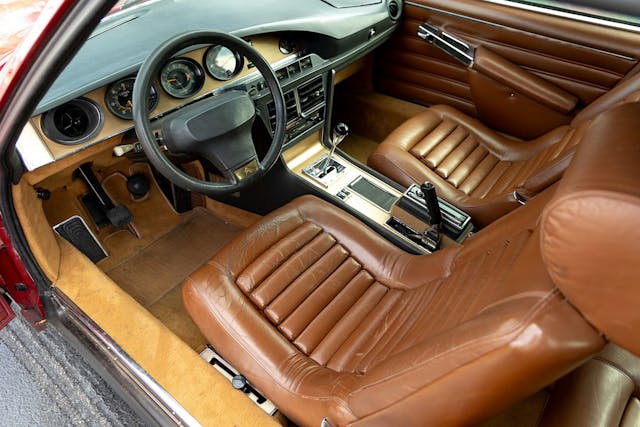
Finished in an eye-catching shade of red with a brown leather interior, the 1973 SM in the Tampa Bay Automobile Museum sale looks like an American-market car; It’s notably equipped with sealed-beam headlights and side-marker lights. Alain Cerf, the museum’s founder, previously used it as a daily driver, which likely explains why it features a handful of minor modifications such as tinted windows and a newer Alpine head unit. It’s sold in “road-ready” condition with a Florida title that carries the “rebuilt” brand.
Now that Maserati and Citroën are back under the same roof, a 21st-century SM is a definite “maybe.” It won’t be part of the Citroën range, however; If it happens, it will likely join the DS portfolio. In 2024, DS announced that it was looking at ways to turn the SM Tribute concept into a regular-production model.
1998 Renault Sport Spider
 Hagerty Marketplace
 Hagerty Marketplace
 Hagerty Marketplace
 Hagerty Marketplace
 Hagerty Marketplace
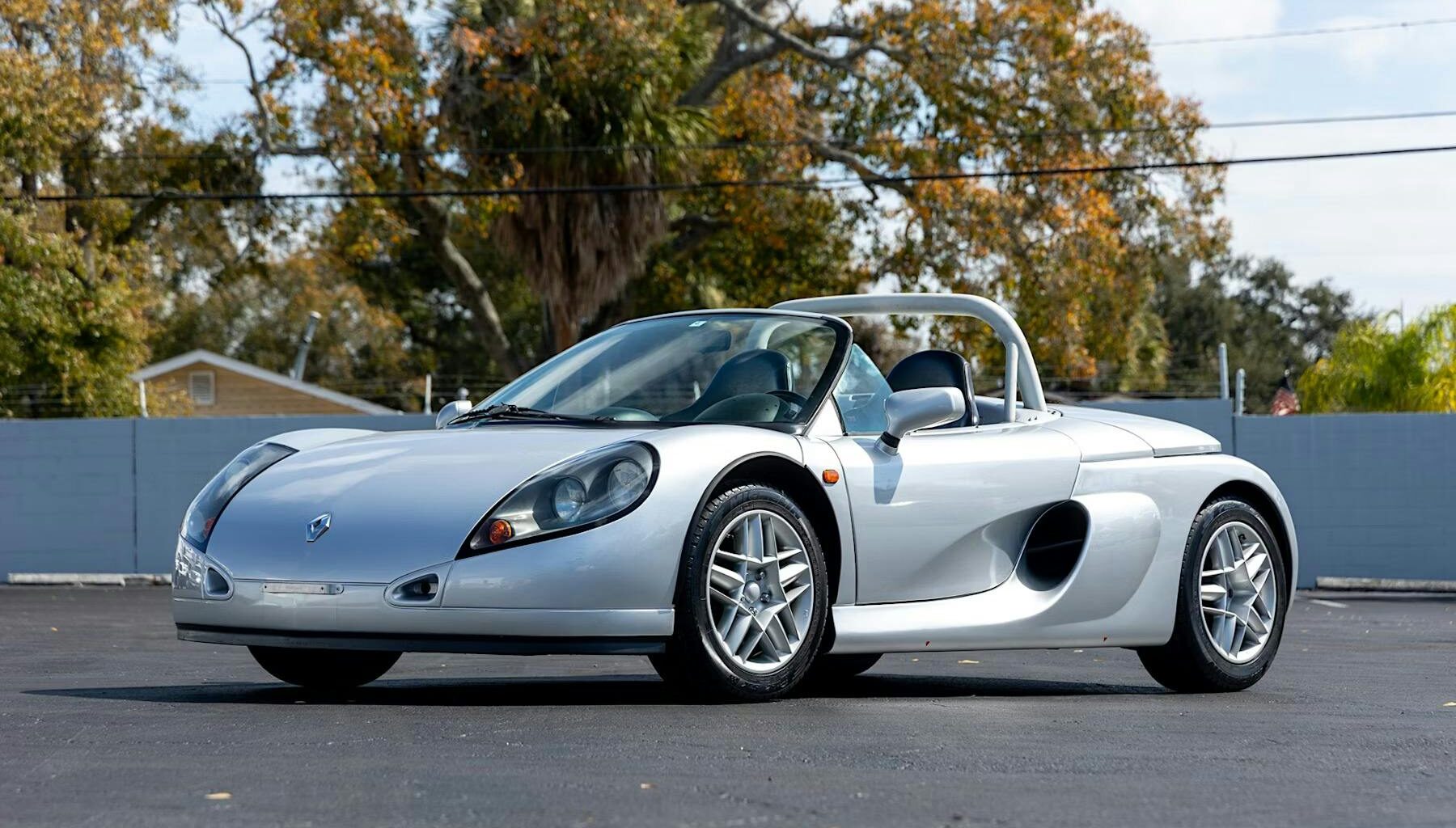
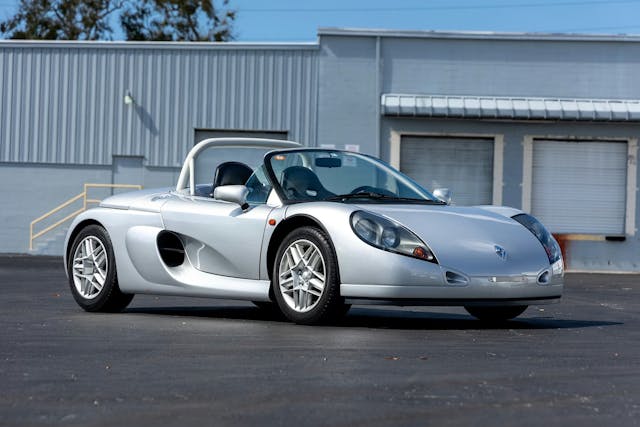
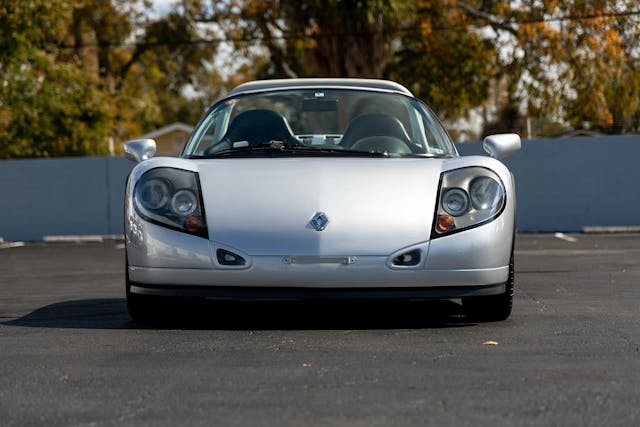
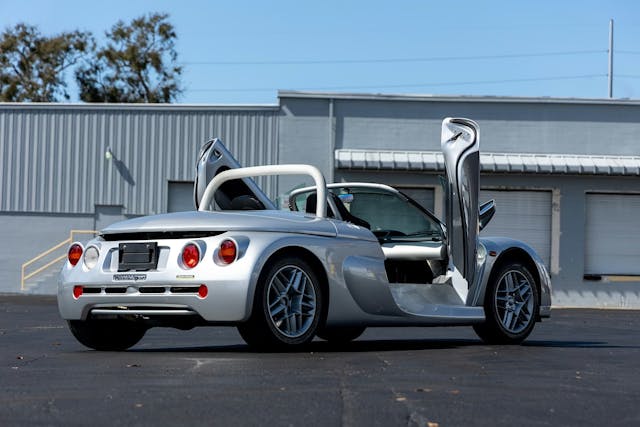
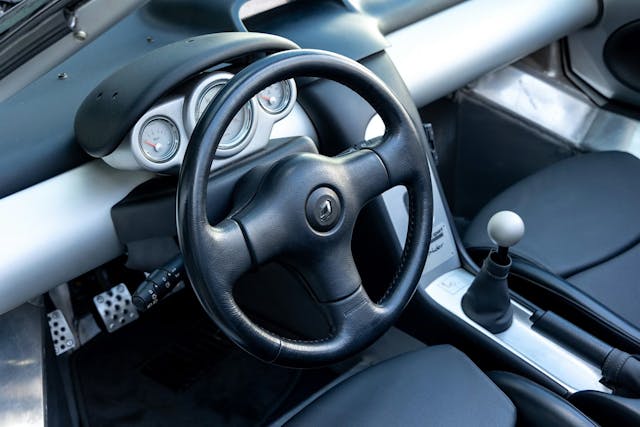
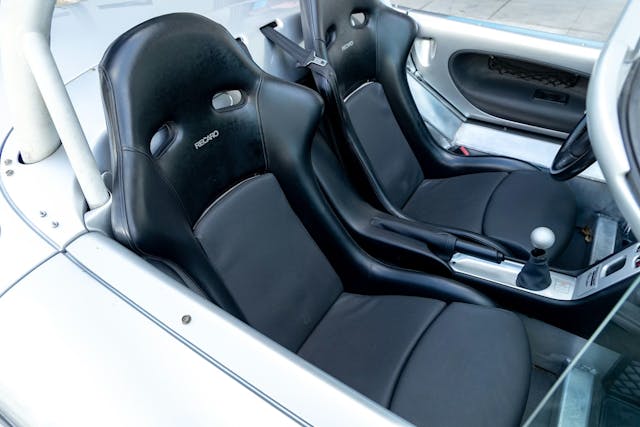
The odds of seeing another Renault roadster like the Sport Spider are low. Developed for the road and for the track, it went on sale in 1995 with a mid-mounted, 2.0-liter four-cylinder engine, racecar-like styling, and nothing in the way of creature comforts. It didn’t have a top, a climate control system, or ABS brakes; It initially didn’t even come with a full windshield, though Renault offered one later in the production run.
Shared with the Clio Williams, among others, the 2.0-liter was rated at about 150 horsepower. That’s not much, even by 1990s standards, but keep in mind that the Spider weighed less than 2200 pounds. Quick, fun, but ultimately very niche, the Spider retired in 1999 after Renault built approximately 1726 examples.
The one in the Tampa Bay Automobile Museum sale was delivered new in Japan, though it’s left-hand-drive, and it was imported to the United States in January 2024. Its odometer displays about 3,400 miles, which is arguably low even for a back-to-the-basics sports car that doesn’t have any kind of top.