
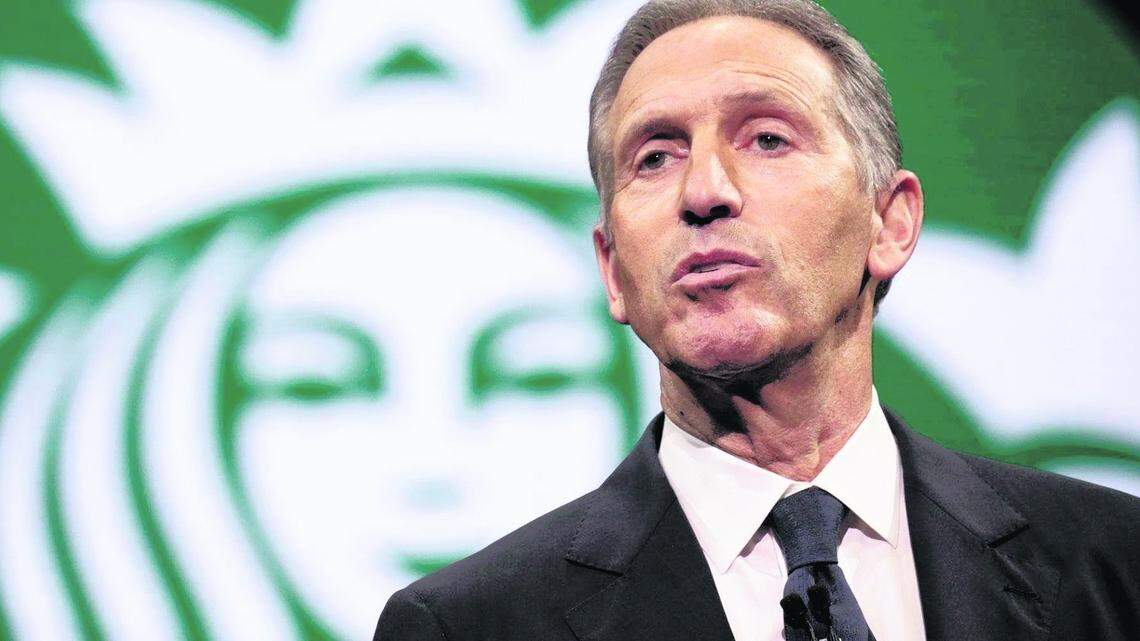
Howard Schultz, the chairman emeritus and former CEO of coffee chain Starbucks, announced that he and his wife have moved to Miami
Miami-Dade County is welcoming another billionaire, and I am excited about what this means for South Florida.
Former Starbucks CEO Howard Schultz announced this week that he and his wife are moving from Seattle to Surfside, paying $44 million for a penthouse at the Surf Club, according to the Wall Street Journal. In a LinkedIn post, Schultz wrote that they’ve moved to Miami for “our next adventure together.”
Schultz joins a growing list of billionaires who are trading the West Coast for South Florida living. Meta CEO Mark Zuckerberg recently purchased a $170 million home in Indian Creek, the exclusive island off Miami Beach. Jeff Bezos, Ken Griffin and Peter Thiel have all made similar moves.
Individually these seem like personal decisions, but collectively they’re something worth paying attention to.
This is more than a real estate trend. Miami’s economic identity is changing and Florida’s business climate is drawing people with serious capital. The migration is fueled by proposed tax hikes in California and Washington state on billionaires and millionaires, respectively.
For years, Miami-Dade’s economy was defined by tourism and hospitality. Those industries remain important to South Florida’s economy, but something broader is taking shape.
A few weeks ago, I attended the Miami Economic Forum, where business leaders, investors and policymakers came together to talk about Miami’s growing role as a global business hub. Finance, technology and investment firms are choosing Miami in ways that would’ve seemed unlikely a decade ago.
Look no further than Ken Griffin. Griffin moved his $71 billion hedge fund, Citadel, from Chicago to Miami in 2022 and is encouraging more billionaires and business leaders to move to South Florida. Palantir, the data analytics company co-founded by Peter Thiel, recently announced it was moving its headquarters from Denver to Miami.
These moves matter. And clearly, the draw is more than just the weather.
Florida’s business environment — including no state income tax and limited business regulations — is part of the appeal. The cities many billionaires are leaving — Chicago, Seattle and San Francisco — have higher taxes and heavier regulatory burdens.
Yet, Miami’s rise isn’t purely a partisan tax story. There’s something more interesting happening here.
The county is developing civic and economic infrastructure that entrepreneurs, investors and businesses want to be part of. Events like the Miami Economic Forum reflect an ongoing conversation about how Miami can sustain this growth responsibly and ensure it benefits the entire community — not just the uber wealthy.
Growth that concentrates wealth at the top while squeezing out the working class isn’t a success story. The promise of this moment lies in what comes next when money arrives.
When executives and investors pick a city, businesses usually follow. And when businesses follow, jobs usually follow too — opportunities for skilled workers and young professionals looking to build careers.
Miami-Dade residents should benefit from this transformation as much as any newcomer who can buy a multi-million dollar mansion in Miami Beach, Coral Gables, Coconut Grove or Indian Creek.
That reality requires Miami leaders to continue attracting business investment alongside capital. Done right, that combination can strengthen the local economy and expand opportunity for those who already live here.
Rapid growth, of course, bring its own set of challenges — housing and traffic chief among them. Miami’s leaders must protect the conditions that made this growth possible, while managing it in ways that don’t price out longtime residents.
The answer isn’t to discourage investment. It’s to govern in a way that ensures growth that’s long-lasting and broadly shared.
For years, Miami has been defined by its beaches and nightlife. But, as Bob Dylan once sang, “These times are a-changin’.”
What’s emerging is a new identity — one becoming defined by ambition, entrepreneurship and economic opportunity. Schultz’s move is the latest sign of that shift.
The work now is to ensure the next chapter benefits everyone who calls South Florida home. Mary Anna Mancuso is a member of the Miami Herald Editorial Board. Her email: mmancuso@miamiherald.com