
ORLANDO, Fla. — The ongoing war in Iran is causing a ripple effect across the world. In Florida, it’s creating uncertainty in the market, which is leading to unstable prices for all kinds of goods and services.
What You Need To Know
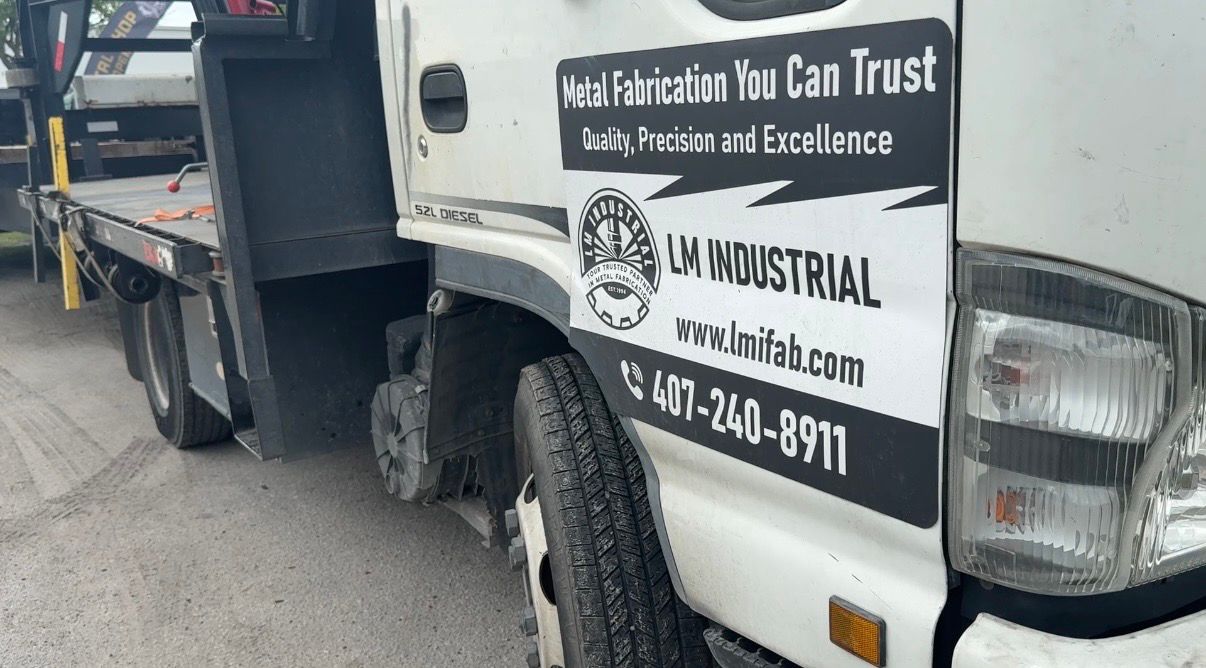
LM Industrial said it has not seen prices on aluminum or metal increase yet, but the price of gas has affected its budget
The price of gas is also what fuels all the other increases that consumers could see at the store
Everything that has to be transported by truck across the country will go up in price, as it will cost more in gas money to get it there
The first price increases could be very soon on produce and other perishable items
Some business owners say they have seen an increase in aluminum prices already. Others say the price increase hasn’t hit quite yet. But just like everyone across the country, they are feeling the effect of gas prices on their budget.
“Over the past year or so, we have seen aluminum prices increase about 50 percent,” said Christian Diaz, the president of LM Industrial in Orlando.
The company does metal fabrication and structural steel installation and was first hit with tariffs.
Prices have been steady for about three months, but now, war in Iran could change that.
“If we see aluminum prices go up, we may have to adjust our prices to our customers,” Diaz said.
So far, they haven’t passed on any price increases to customers, like the rise in the fuel surcharge on their deliveries.
“We definitely have been keeping up and being very proactive and creating forecasts trying to predict the market,” said LM Industrial CEO Beatriz Carrion.
AAA data shows the average in Florida on Friday was $3.71 per gallon. The price of gas is also what fuels all the other increases consumers could see at the store.
“Since virtually all the goods we consume in this country either get to us from one part of the country to the other or from international to domestic, they arrive either by ship, container or on the back of an 18-wheeler. All of that is going to be affected by gas prices,” said Dr. Matthew Imes, an associate professor of finance at Stetson University.
Imes said it hasn’t hit yet, but everyone should brace their budgets.
“A lot of the produce and the things we are consuming were already here at the grocery stores. We haven’t seen an increase yet, but there probably will be a measurable increase at least for the duration of the conflict,” Imes said.
It is hard to predict how soon and hard these increases will hit, but it’s likely the next few weeks that prices at the store will go up — even sooner for things with a shorter shelf life, like produce.