
The Florida Holocaust Museum is sponsoring a talk March 22 by Steven Lee Beeber, author of The Heebie-Jeebies at CBGB’s: A Secret History of Jewish Punk.
The 4 p.m. lecture will take place at Bayboro Brewing Co., 2390 5th Avenue S.
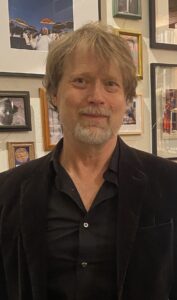
Beeber
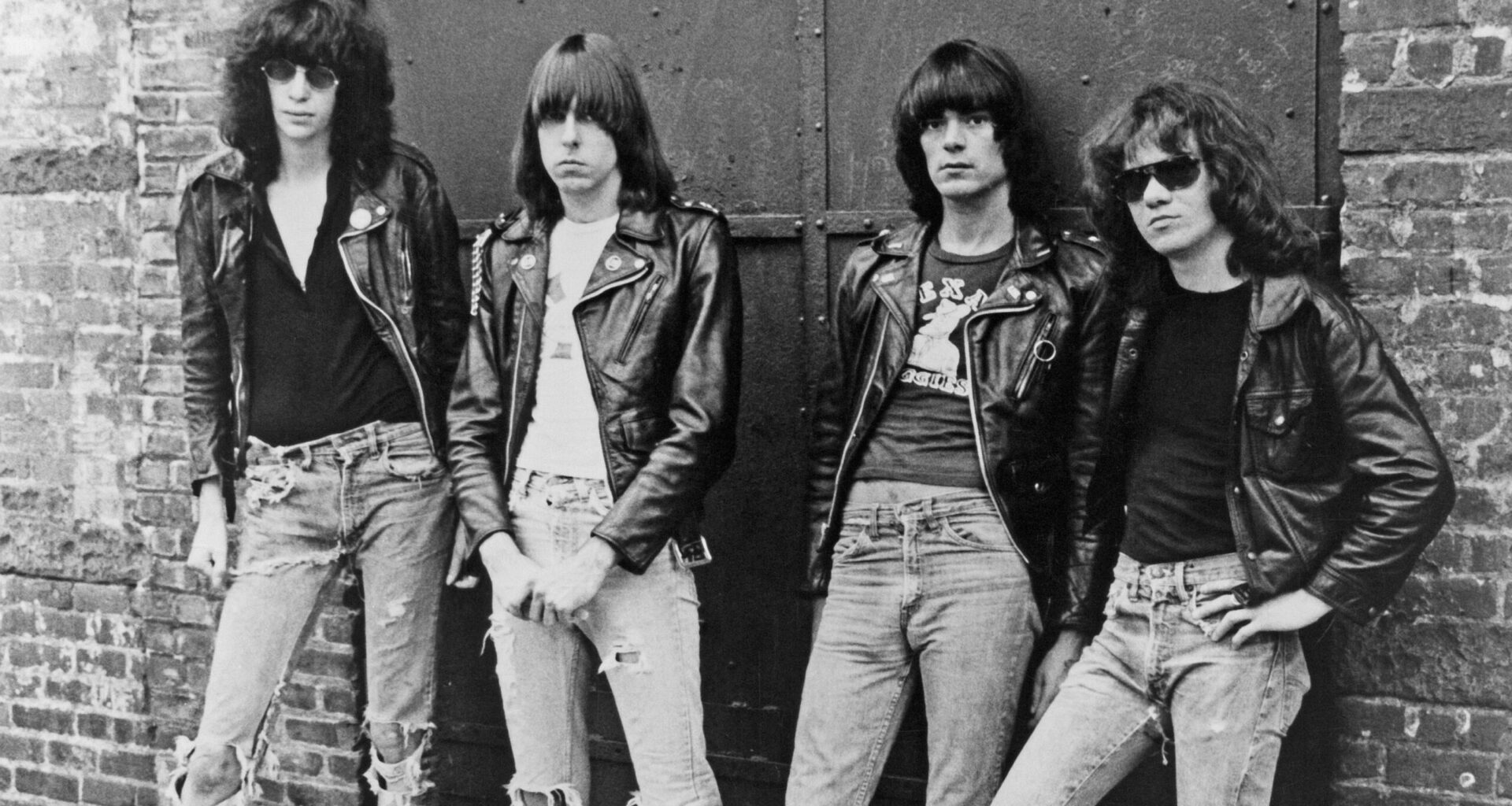
Through interviews with many of the founders and stalwarts of American punk, Beeber aligns the music’s sense of purpose, its nonconformity and its relentless drive, with the Jewish heritage of a good number of the musicians who made it happen in the 1970s.
Lou Reed, Tommy and Joey of the Ramones, Blondie’s Chris Stein, members of the New York Dolls, Jonathan Richman, Richard Hell, Lenny Kaye and CBGB founder Hilly Kristal are either interviewed, or discussed in detail by those who knew them best.
Find tickets (and more information) at this link.
St. Pete Catalyst: It was always my understanding that punk started in England, and then became something different in America. Guess I was misinformed. Can you address that?
Steven Lee Beeber: There’s always been debate about where England got it from. It’s always been part of the argument that the Ramones, the New York Dolls and other bands – pre-punk band liked the Stooges and the Velvet Underground – all of that is American. Even Malcolm McLaren, who was behind much of the Sex Pistols’ image and attitude, was someone from England but who got that from New York.
I guess it depends on what you call punk: Pre-punk, beginnings of punk. But the Ramones pre-date the Pistols and the rest of those bands.
A lot of people believe that the class distinctions in England, the joblessness and the F-you attitude of England’s youth in the ‘70s was at the root of all this. I think what you’re saying is that it was a cross-pollination.
Sure, and I think it depends what era of punk we’re talking about. Like hardcore wasn’t really about class. The political dimension of punk, with working class rage, I guess you could say is England, but even in the States, a lot of those bands were from lower middle class to working class homes. And were rebelling against the hopelessness of New York City at the time. And the recession in general.
But my idea is that it gets back to the Holocaust, in large part, but also to Jewish culture in general, originally.
What’s your general thesis in the book? What are you telling us?
Lenny Bruce encapsulates so much of what’s punk. He’s funny, he’s a social critic, he’s liberal, he’s nasty, he’s street-tough, inappropriate, he’s … The Jew. He’s an outsider.
He is very much part of that Jewish tradition of the social critic who says what everybody isn’t supposed to say. Bob Dylan kind of goes along with that.
But, with all of that said, Jewish history is always been one of that displacement, that attempt to speak truth to power from outside. And the Holocaust was such a pivotal moment, not just for Jews, but for western civilization. So much of punk, when you look at it, is referencing Nazi Germany.
It was such a trauma to western culture, it shook the very values of what we thought we were about.
In the ‘50s, you’ve got sci-fi, and the bomb and Godzilla, all that part of World War II in the modern era. In punk, you’ve got the first kids to really come of age after the Holocaust. In New York City, the trial of Adolf Eichmann aired every day on TV, in its entirety. Tommy Ramone and Joey Ramone, all the kids who would go on to make punk, were watching that growing up.
And it was the first time the public in general, Jews included, really became aware of what happened in the Holocaust.
So how did Joey Ramone become the lead singer and the public image of the Ramones?
 Tommy (Ramone) was really the mind behind the Ramones. He was the son of Holocaust survivors; he was a Jewish immigrant. Which he basically kept secret, even when I met him, he only reluctantly said it.
It was in part his own paranoia about being Jewish. Antisemitism. And the other guys in the band, Dee Dee and Johnny, were like, Joey’s the drummer. He’s not going to be the singer. That’s ridiculous! He’s a freak.
And Tommy said, that’s the point. That we are like a bunch of freaks. He said he saw it as an art concept, almost like an Andy Warhol kind of thing. Where these were the kind of kids he grew up with, wearing the kind of clothes they wore, street guys who were the outcasts. And that’s what they all were, where they were from. Tommy and Joey were both Jewish, and that was a very Jewish area. And with their sense of humor, you could say it was a pretty Jewish sense of humor.
If you look at rock, at least before that time, it wasn’t really funny. One of the big things about punk, especially in New York, was that it was funny. With a lot of jokes. The Dictators were all about jokes.
They were five Jewish guys passing as Italian – which is another classic New York Jewish tradition.
What do you want people to take away from your talk?
A lot of the things that we’re told are Jewish are also punk. One doesn’t think of that – they think, at least when I was growing up, the ‘nice Jewish boy,’ Barry Manilow, Paul Simon …
The punks were rebels, they were truth-tellers, people who were reacting to the Holocaust in a way that was kind of re-defining what a Jewish person was seen as, not a victim but in fact the one who triumphed in the end. Who can make fun of the Nazis. Who can mock them onstage.
And turn the whole idea, in rock ‘n’ roll in general, of the underdog being the hero. It wasn’t the “cock rocker” like Robert Plant – the big stud – it was the “weirdo” like Joey Ramone.