
Home » AIRLINE NEWS » Hundreds of Travelers Affected at Orlando International Airport in the United States as 376 Flights Are Delayed and 8 Canceled, Disrupting Travel for Passengers Heading to Destinations Including New York, Los Angeles, Dallas, and Chicago
Published on
March 13, 2026
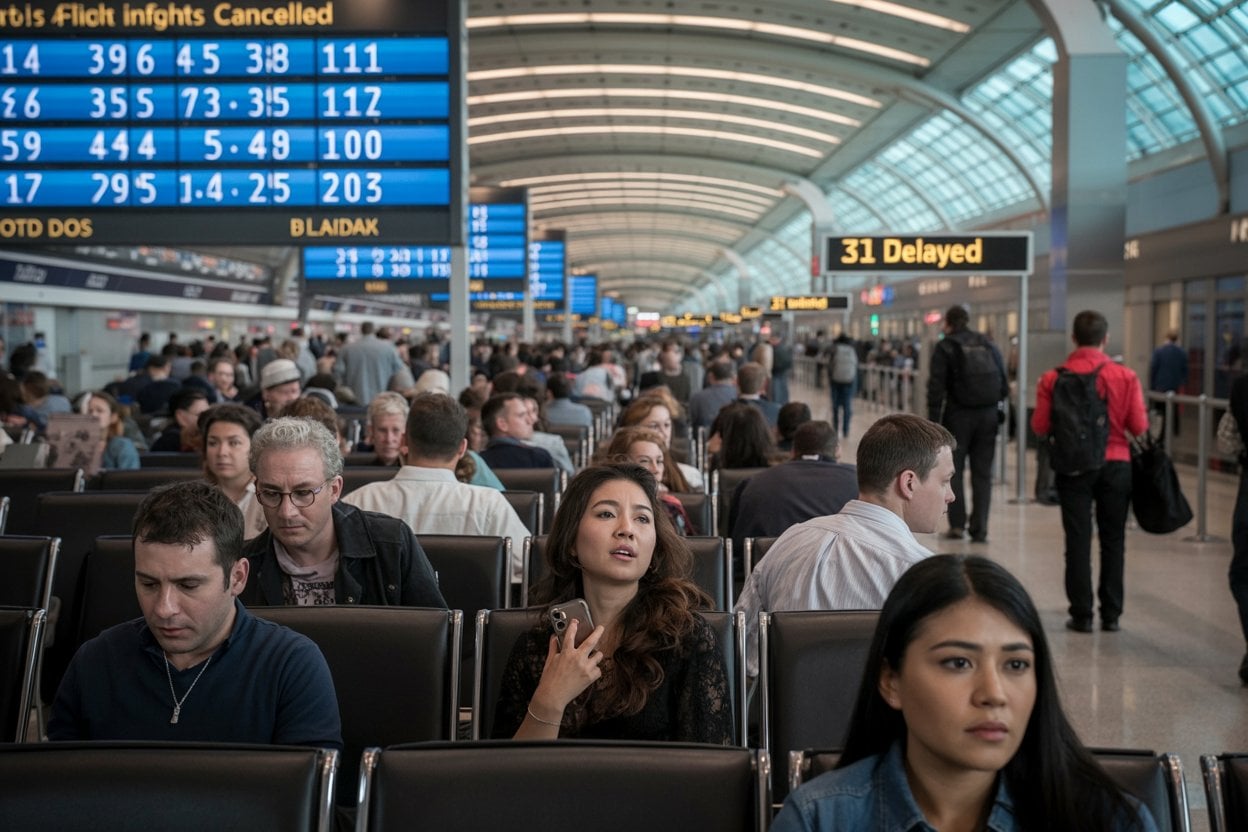
Image generated with Ai
Orlando International Airport, one of the busiest travel hubs in the United States, has been facing significant operational challenges. With 376 flight delays and 8 cancellations recorded recently, passengers are finding their travel plans disrupted. This recent surge in delays and cancellations at Orlando International has raised serious concerns among travelers, many of whom are left scrambling for alternative routes and accommodations.
The disruptions at Orlando International have affected both domestic and international flights, causing widespread inconvenience for passengers. The airport, which serves as a critical gateway for travelers heading to Florida’s world-renowned theme parks and vacation destinations, is now grappling with the operational difficulties caused by unexpected delays. These delays have had ripple effects, impacting other airports as well, as flight schedules continue to be adjusted.
Understanding the Scope of the Delays and Cancellations
According to official data from the Federal Aviation Administration (FAA), Orlando International Airport reported a total of 376 delays and 8 cancellations over the past week. These numbers are significant, especially considering the scale of operations at the airport. The delays alone account for a substantial portion of the daily flight operations, with many flights being rerouted, and passengers experiencing long hours of uncertainty and discomfort.
Although delays and cancellations are not uncommon in the aviation industry, the volume of disruptions at Orlando International in such a short period has raised questions. The causes behind these delays and cancellations can be complex and multifaceted, ranging from technical issues with aircraft to weather-related disruptions. However, authorities have confirmed that weather conditions, particularly thunderstorms and severe weather alerts, have played a major role in these disruptions.
Advertisement
Advertisement
The airport’s efforts to address these challenges have been ongoing, with increased communication efforts to keep passengers informed about their flight statuses. In many cases, the delays have been linked to air traffic control bottlenecks caused by adverse weather conditions affecting flight schedules across the southeastern United States.
Impact on Passengers and the Travel Industry
For passengers arriving at or departing from Orlando International, the disruptions have caused significant inconvenience. Many travelers were caught off guard by the sudden changes to their flight itineraries, while others were forced to find alternative means of travel. With the airport being a key transit point for families heading to Disney World and other major attractions, these delays have had a ripple effect on tourism as well.
Advertisement
Advertisement
Tourism-dependent businesses near the airport, including hotels and transportation services, have reported increased calls from passengers seeking rebooking assistance and last-minute accommodations. The disruptions also raise concerns for businesses that depend on consistent travel flows, as delays can often lead to missed connections and canceled trips.
Furthermore, airlines operating out of Orlando International have been working diligently to manage the situation, offering passengers the option to reschedule flights or provide compensation where possible. However, the ongoing challenges have raised concerns about the capacity of the airport to handle future demand, especially during peak travel seasons.
Advertisement
Advertisement
The Role of Weather and External Factors in Disruptions
While weather conditions have been a major factor, the delays at Orlando International Airport have been exacerbated by a combination of external factors. In addition to thunderstorms, ongoing issues with air traffic control congestion and other logistical constraints have compounded the situation. The FAA has been working closely with airport authorities to mitigate the effects of these delays by adjusting flight schedules and providing alternate routes for affected travelers.
Airline industry experts point out that the impact of these disruptions could continue to be felt for the next few weeks as the airport attempts to catch up with delayed flights and handle rescheduling. Despite these efforts, Orlando International Airport remains a critical hub for travel in Florida, and these types of disruptions highlight the challenges airports face in maintaining smooth operations during peak times.
What Steps Are Being Taken to Address the Delays?
In response to the ongoing issues, Orlando International Airport has implemented several measures to minimize further disruptions. Authorities have prioritized improving communication between airlines, passengers, and air traffic controllers. Enhanced passenger information systems, including real-time flight tracking and status updates, have been rolled out to keep travelers informed and reduce uncertainty.
Additionally, the airport is working with airlines to expedite the boarding and deplaning processes, ensuring that any delays can be minimized once flights are airborne. Longer-term solutions, including upgrading weather-related infrastructure and improving coordination with regional air traffic control, are also on the table as Orlando International aims to bounce back from this series of disruptions.
A Look at the Bigger Picture: Impact on the Aviation Sector
The disruptions at Orlando International Airport are not isolated incidents; they reflect a broader trend of operational challenges faced by airports worldwide. The aviation industry has been dealing with increasing pressure from rising passenger numbers, unpredictable weather events, and a shortage of resources such as air traffic controllers. As airports continue to grapple with these challenges, the issue of flight delays and cancellations remains a hot topic within the travel and tourism industry.
Airlines and airport authorities must find ways to balance efficiency with safety, ensuring that disruptions are kept to a minimum while addressing the needs of travelers. As airports like Orlando International continue to grow and expand, the demand for seamless travel experiences will only increase. To meet these demands, both airport authorities and airlines must invest in cutting-edge technologies and infrastructure to ensure that flight operations can continue smoothly, even during adverse conditions.
How Can Passengers Navigate the Current Disruptions?
For travelers impacted by the delays at Orlando International Airport, there are several steps they can take to mitigate the inconvenience. Firstly, it is essential to stay updated on flight statuses via official sources such as the airport’s website or the airline’s mobile app. Many airlines offer automated updates via text or email, providing real-time information on any delays or cancellations.
In cases of long delays, passengers may be entitled to compensation, including meal vouchers or hotel accommodations. It is advisable for travelers to reach out to the airline for assistance or alternative flight options if needed. Lastly, keeping a flexible mindset can help reduce the frustration that often accompanies unexpected travel disruptions.
Conclusion: A Wake-up Call for Orlando International Airport and Travelers
The recent flight delays and cancellations at Orlando International Airport serve as a wake-up call for both airport authorities and travelers. While weather-related disruptions are inevitable, the scale of the recent issues highlights the need for improved infrastructure and more resilient systems to handle future challenges. For passengers, staying informed and prepared for delays is the best course of action when traveling through one of the country’s busiest airports.
