
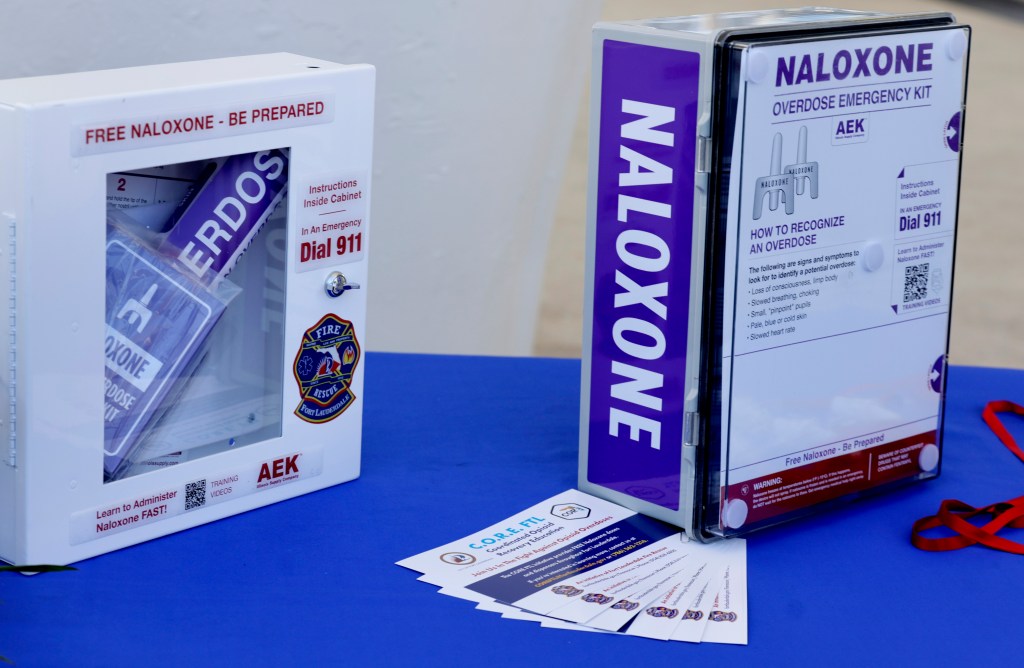
In 2017, Broward County experienced a sharp rise in overdose deaths, particularly related to opioids and fentanyl. The impact was immediate and devastating for families across our community. United Way Broward’s response was not isolated or reactive, it was coordinated.
Through a partnership among United Way Broward’s Coalition on Behavioral Health & Drug Prevention, the Broward County Medical Association, treatment providers, law enforcement and other community partners, a comprehensive Opioid Action Plan was developed. The goal was straightforward: align strategies through prevention, harm reduction, overdose response, treatment and recovery, and ensure resources worked together rather than in parallel.
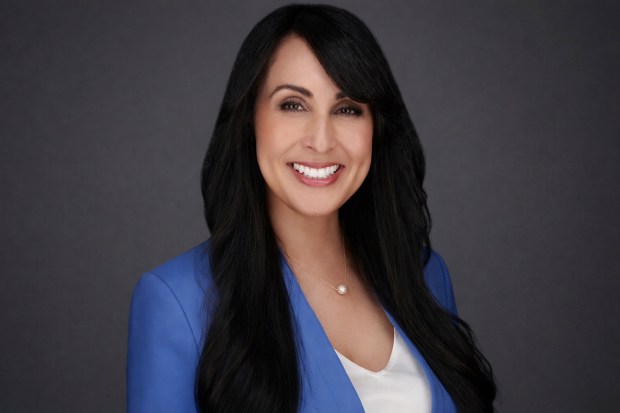 Maria Hernandez is the chief impact officer at United Way Broward. (courtesy, Maria Hernandez)
Nine years later, that coordinated approach is producing measurable outcomes.
According to recent Florida Medical Examiners data highlighted in the Coalition’s December briefing, fentanyl-related deaths in Broward County decreased by 40% in 2024. Cocaine-related deaths declined by 26%. Methamphetamine-related deaths fell by 23%. Prescription opioid deaths dropped by 23%. Overall, the opioid overdose death rate has declined by 56% since its peak in 2020 and is now at the lowest rate Broward County has recorded since 2015. Among peer counties of similar size (roughly two million residents), Broward County now reports the lowest overdose death rate.
Lives are being saved. Families are being spared unimaginable loss. Residents are getting the help they need. And this progress is the result of sustained collaboration across sectors.
Since we started, we have convened major community events to refine strategy. Naloxone access has expanded countywide in hotels, transit hubs, community events and correctional facilities. In 2023 alone, more than 2,600 doses were administered before paramedics arrived on the scene. That number increased by 20% in 2024. Treatment access has strengthened, including diversion pathways such as Drug Court.
That progress was front and center at United Way Broward’s 3rd Annual South Florida Addiction Prevention & Solutions Summit, held in February at The Diplomat Beach Resort in Hollywood. Hundreds of health care professionals, educators, law enforcement leaders, policymakers and nonprofit partners gathered not only to reflect on success, but to build the next phase of our response.
From a national perspective, we highlighted that we are seeing rapidly evolving substance use trends that demand a prevention-first response.
During the summit, Dr. Kevin Sabet, president and CEO of the Foundation for Drug Policy Solutions and SAM (Smart Approaches to Marijuana) shared that today’s marijuana is far more potent than in past decades; some concentrates reach 95-99% THC. Research shows that daily users of high-potency marijuana are five times more likely to develop a psychotic disorder, and nationally, cannabis-related emergency department visits now surpass opioid-related visits. The data is clear: 95% of individuals who do not initiate drug use by age 21 never begin, reinforcing why youth-focused prevention must remain at the center of our strategy.
While the reduction in overdose deaths is encouraging, more than 30% in recent years and 56% since the 2020 peak, this is not a signal to slow down. It is proof that coordinated, evidence-based collaboration saves lives. It is also a reminder that continued vigilance is essential.
Maria Hernandez is a licensed clinical social worker and the chief impact officer at United Way Broward.