
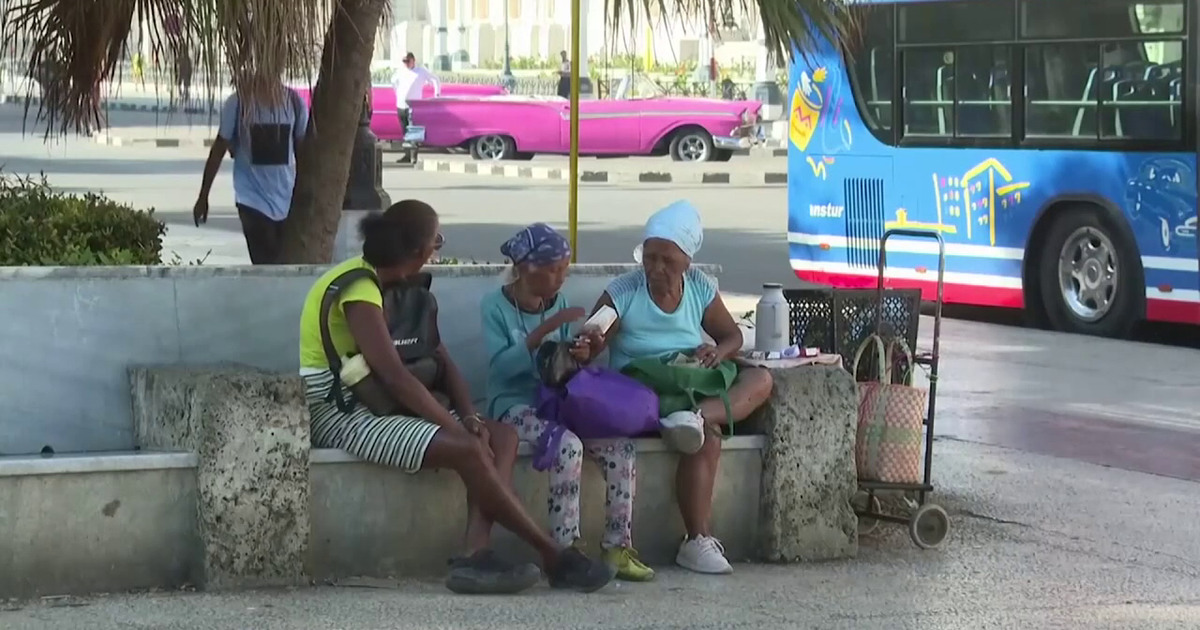
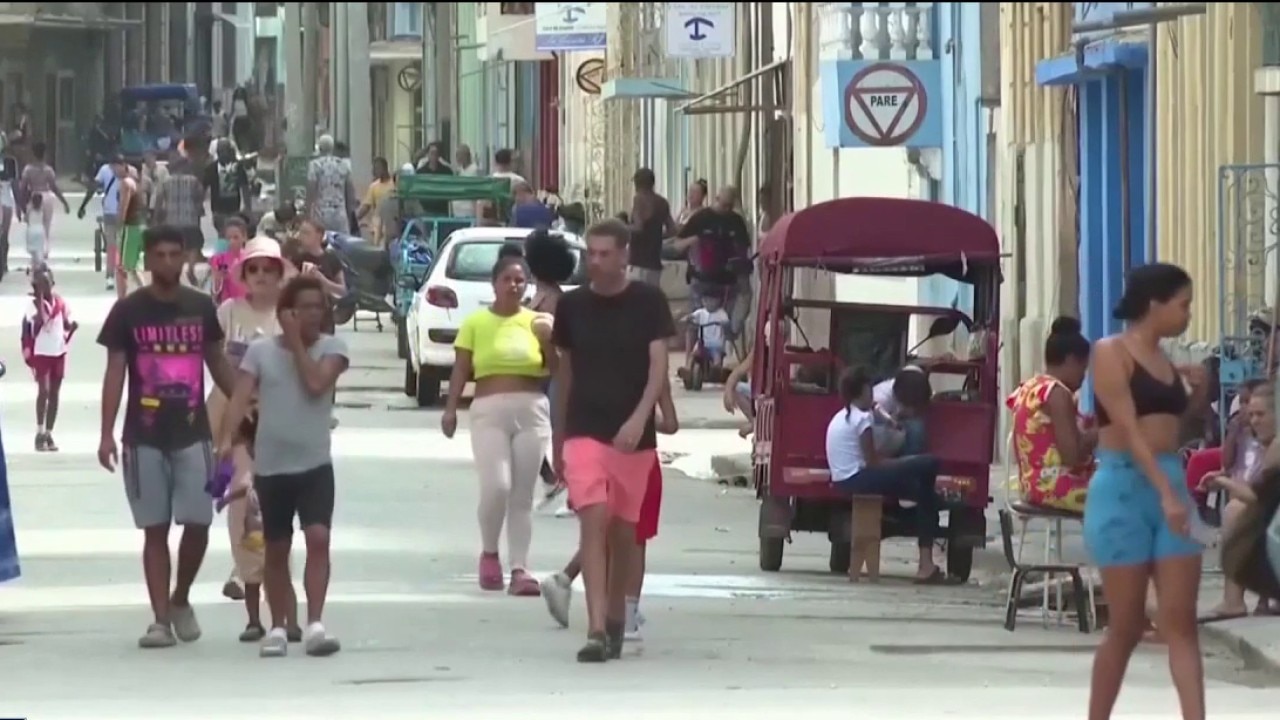
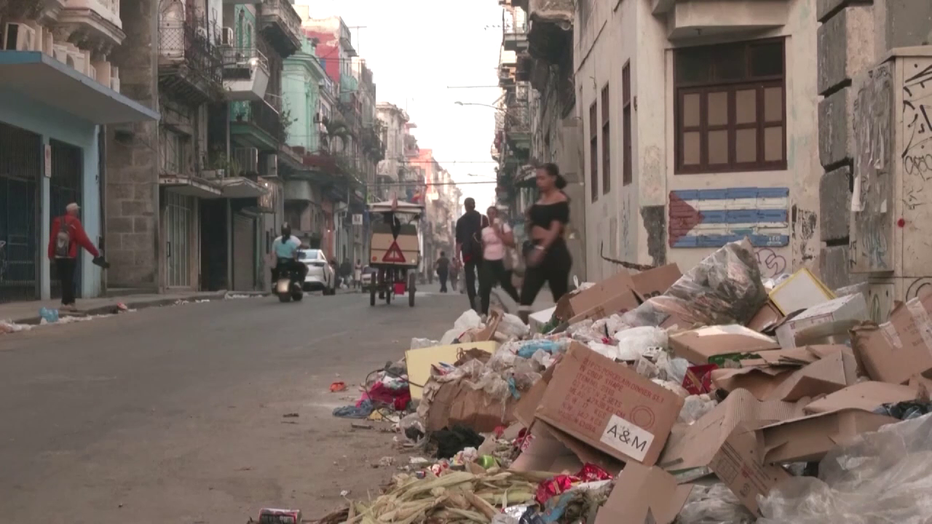
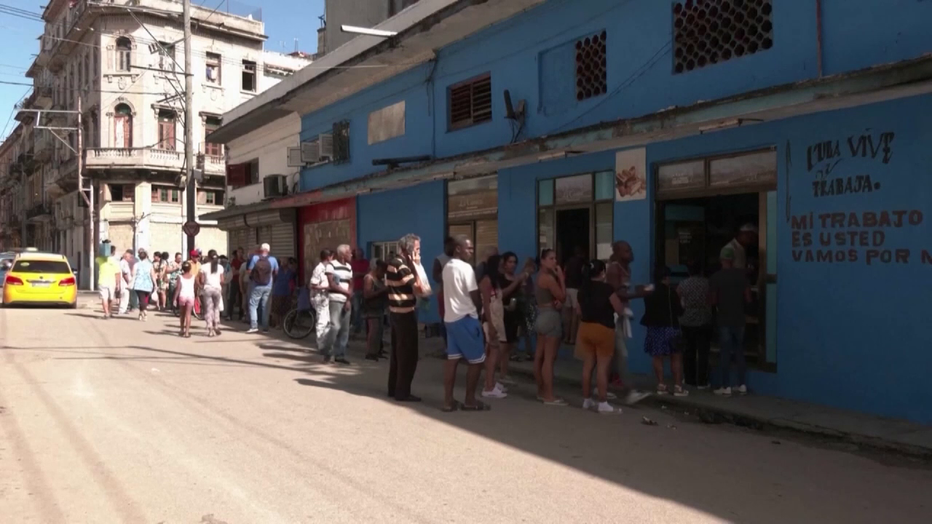
ST. PETERSBURG, Fla. – As Cuba struggles with widespread blackouts and deepening shortages, the United States continues to apply pressure on the island’s communist government.
One Cuban advocate with ties to the Tampa Bay area says the suffering on the island is real, but he believes the responsibility lies with the regime, not U.S. sanctions.
Alian Collazo was just 8 years old when he fled Cuba with his mother and eventually settled in St. Petersburg. Today, he leads the advocacy group Cuban Freedom March, pushing for democratic reforms on the island.
READ: Bay Area men killed, another injured after Cuban military opens fire on boat near coast
What they’re saying:
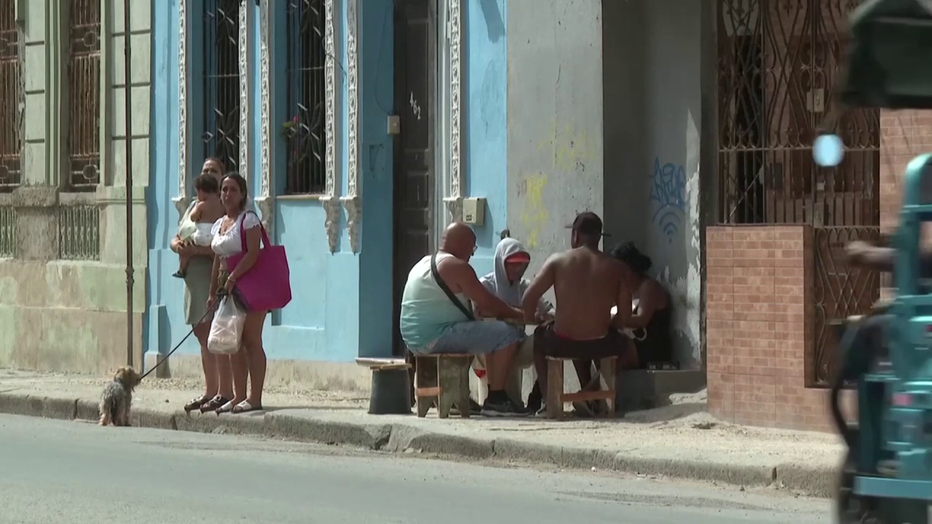
Collazo says the blackouts currently making headlines around the world are not new for many Cubans.
“By the time that I could remember, when I was six years old in 2001, 2002, we had blackouts of six, seven, eight, ten hours,” Collazo said.

Across Cuba, repeated power failures have become increasingly common as the island’s aging electrical grid struggles with decades of deterioration and lack of investment.
READ: Trump targeting leaders in Cuba
Collazo rejects claims from the Cuban government that U.S. sanctions are responsible for the power crisis.
“They haven’t spent a dollar in the last almost 70 years on upgrading the country’s energy infrastructure,” he said.
FOX 13 spoke with Collazo while he was in Poland, where he was meeting with lawmakers in Warsaw to advocate for democracy in Cuba.
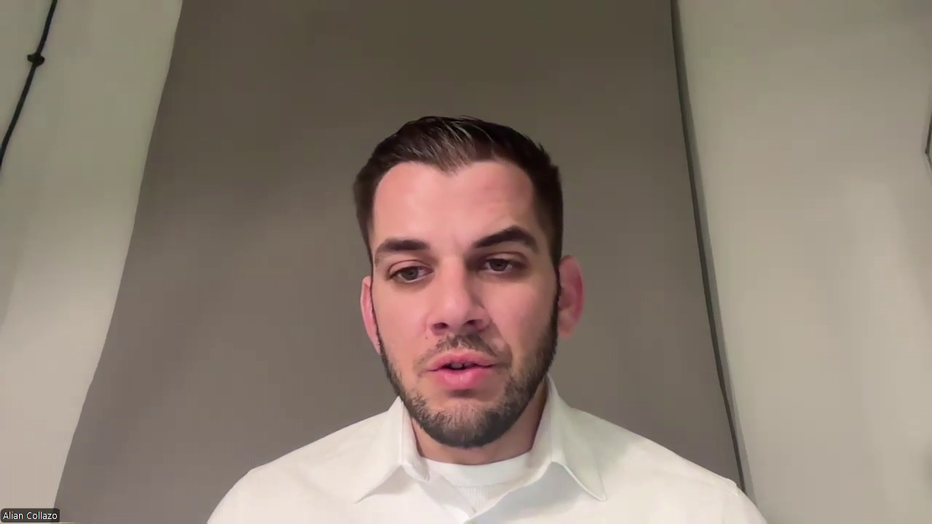
The activist says unrest on the island has been growing as blackouts continue, and daily life becomes more difficult for many families.
“You cannot negotiate with these tyrants that are killing our people. You have to find a way to get them out,” Collazo said. “You have to find a way to help the Cuban people finally get what they’ve been wanting for all of these decades.”
READ: Dozens gather for International Women’s Day Rally in Tampa
Big picture view:
Meanwhile, the Trump administration has taken steps to tighten pressure on Havana, including reinforcing sanctions and maintaining the U.S. embargo on the island.
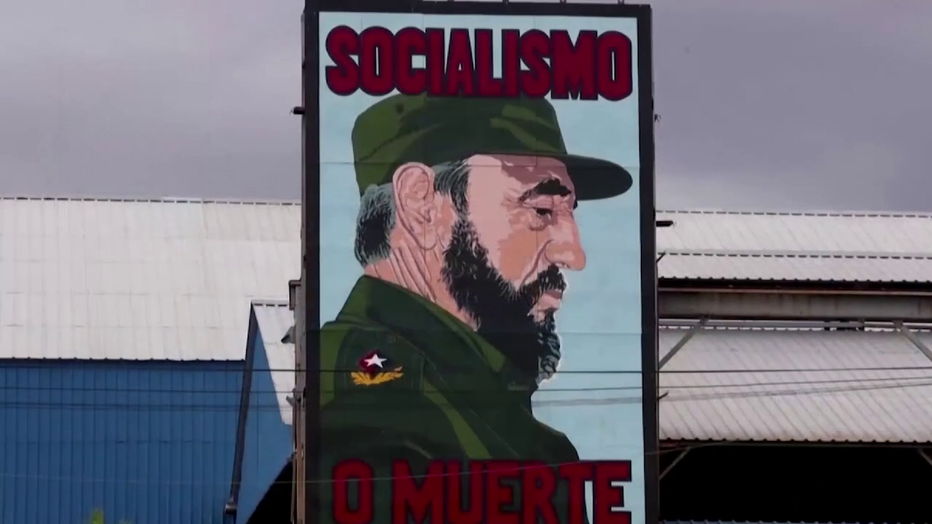
President Donald Trump recently said during remarks that Cuba is a “failed nation” and suggested the country may seek negotiations with the United States.
Despite worsening economic conditions, Collazo says many Cubans he hears from still support a hardline approach from Washington.
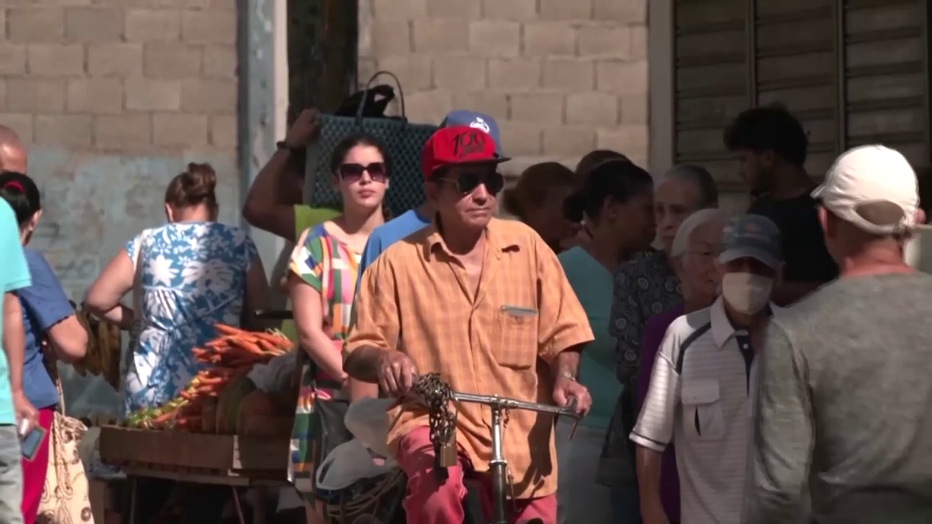
“I haven’t talked to one Cuban yet who has told me they want the approach to stop,” Collazo said. “What they have told me is they want blackouts to stop, they want food to be available, they want freedom and the end of communism.”
What’s next:
Collazo says the ultimate goal is a democratic transition in Cuba.
Until that happens, he expects Cubans both on the island and around the world to continue speaking out.
The Source: Information for this report include an interview with Alian Collazo, Executive Director of Cuban Freedom March, remarks from President Donald Trump and past reporting.