
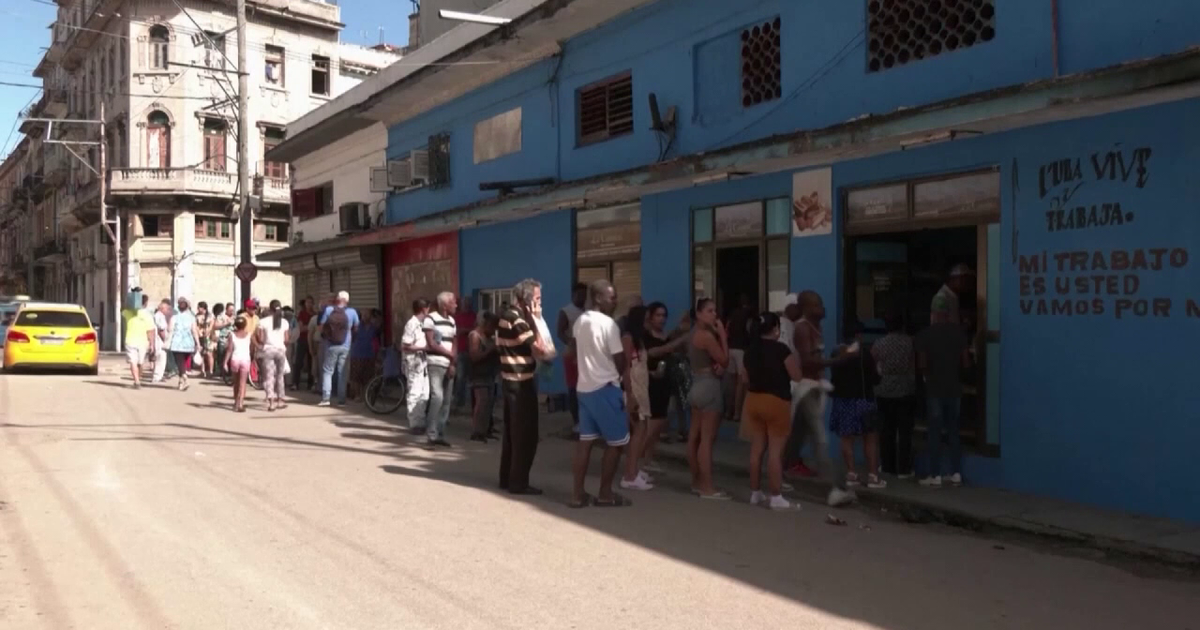
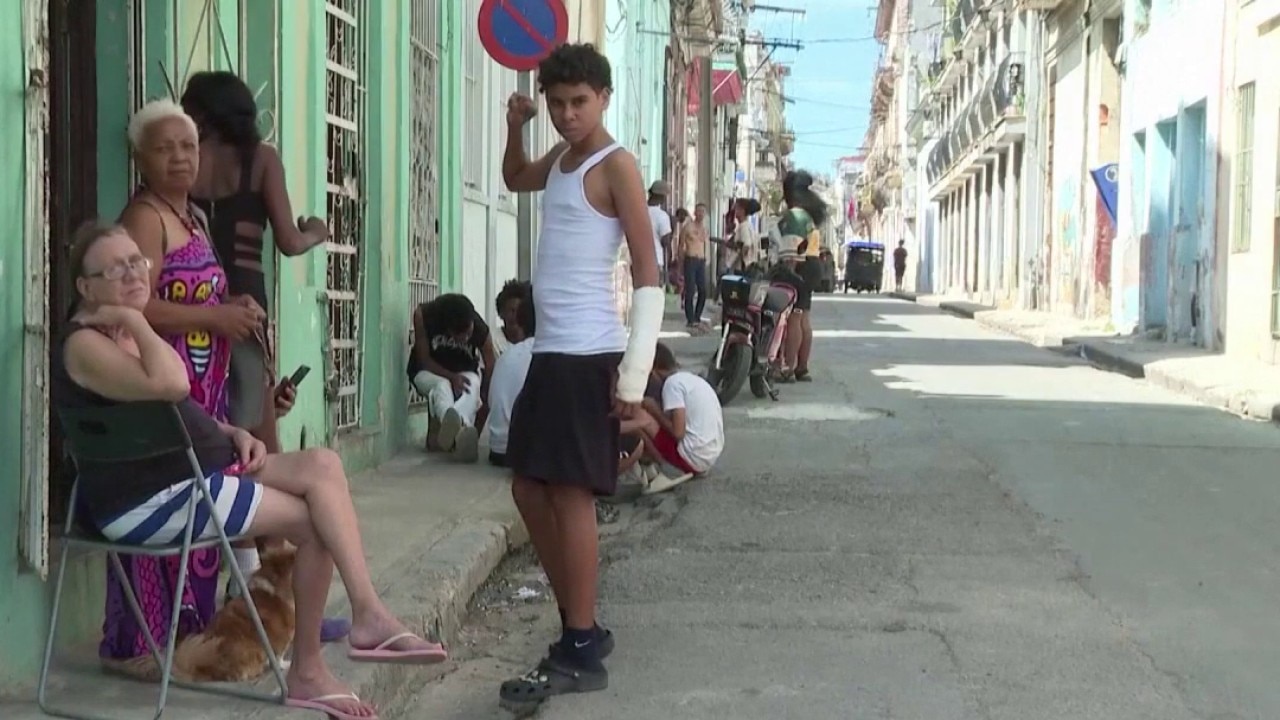
 Cubans facing dire conditions amid energy crises
Cubans, including those who live in the Bay Area, say the widespread blackout in Cuba highlights the island’s economic and infrastructure crisis that has been going on for years. FOX 13’s Kailey Tracy reports.
Tampa, Fla. – For many in the Bay Area with ties to Cuba, the recent headlines regarding widespread blackouts on the island are, unfortunately, a familiar reality.
Many with ties to the island nation believe the situation will get worse before it gets better.
What they’re saying:
Alian Collazo with the advocacy group Cuban Freedom March, fled Cuba with his mother when he was eight years old and grew up in St. Pete.
He says the outages are due to the leadership neglecting the infrastructure for years.
“This idea that this is something new that the Cuban people are facing, you know, it kind of makes me mad, because it’s like, where has the world been as we’ve been yelling from our lungs for the past six plus decades that this dictatorship is responsible, directly responsible, for the total collapse and dilapidation of our country,” he said.
Michael Ethyn, a Carrollwood salon owner, has traveled to Cuba three to four times a year since 2018.
READ: Bay Area advocate claims Cuba regime, not U.S. sanctions, to blame for widespread blackouts
It started as a way to remember his mom after she died.
“My mother was Cuban, and I was brought up in America, and we did not have a lot of the Cuban culture and my grandparents were born in Cuba. So, after she passed away, it just became something that stuck in my mind about what can I do to make my mom more in my head or make the reality of my mom,” Ethyn said.
Ever since, he has returned for humanitarian trips and to teach students how to do hair.
Ethyn recently returned from a trip where he found the conditions more severe than ever before.
Dig deeper:
Large parts of Cuba were without power on Tuesday after its third blackout in four months underscored the island’s deepening energy and economic crises and rising political tensions with U.S. President Donald Trump.
Electricity was slowly being restored to hospitals and some of the island’s 11 million residents, but officials warned that its crumbling power network could fail again.
Cuba’s aging grid has drastically eroded in recent years, leading to daily outages and an increase in significant blackouts.
The government blames its woes on a U.S. energy blockade after Trump in January warned of tariffs being placed on any country that sells or provides oil to Cuba.
Previous Coverage: Bay Area advocate claims Cuba regime, not U.S. sanctions, to blame for widespread blackouts
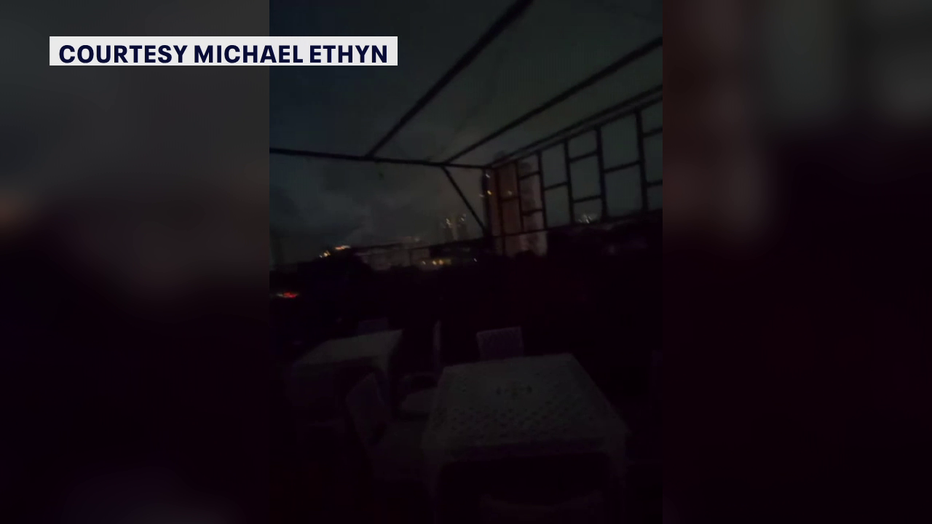
“It’s horrible,” Ethyn said. “When you walk down the streets or when I look outside my building, it is just completely pitch black. It’s only going to get worse.”
Ethyn noted a stark divide in who remains powered during these outages, saying that the few buildings with lights typically belong to politicians or the wealthy.
Ethyn says the crumbling infrastructure is causing desperation, desperation he says caused a cast on his hand.
“It was around 7, 7:30, and it began to get dark and there were no streetlights. You could not see anything. I’m very comfortable. I do this all the time. That’s where I guess I lost not being aware of everything, and somebody pushed me down and stole my phone. And by the time I got up, I didn’t really know what happened and called the cops, and they took me to the hospital, and they wanted to do surgery on me down there, and I told them that I would prefer to wait until I came back to America … so we’re in the process of scheduling surgery,” he said.
Ethyn says the attack is a reflection of the island’s desperation rather than its people.
“This is not a reflection of the people,” Ethyn said. “This is how desperate the times are and how terrible times are there that this type of opportunity would exist,” he said. “This is because of the power outages. I certainly don’t want anybody to have a bad view of Cuba from this.”
Both Ethyn and Collazo warn that the crisis extends far beyond the power grid.
They say the island is facing acute shortages of gasoline, while the physical state of roads, schools, and hospitals continues to deteriorate.
The Source: Information in this story is from the Associated Press, and interviews with Michael Ethyn and Alian Collazo.