
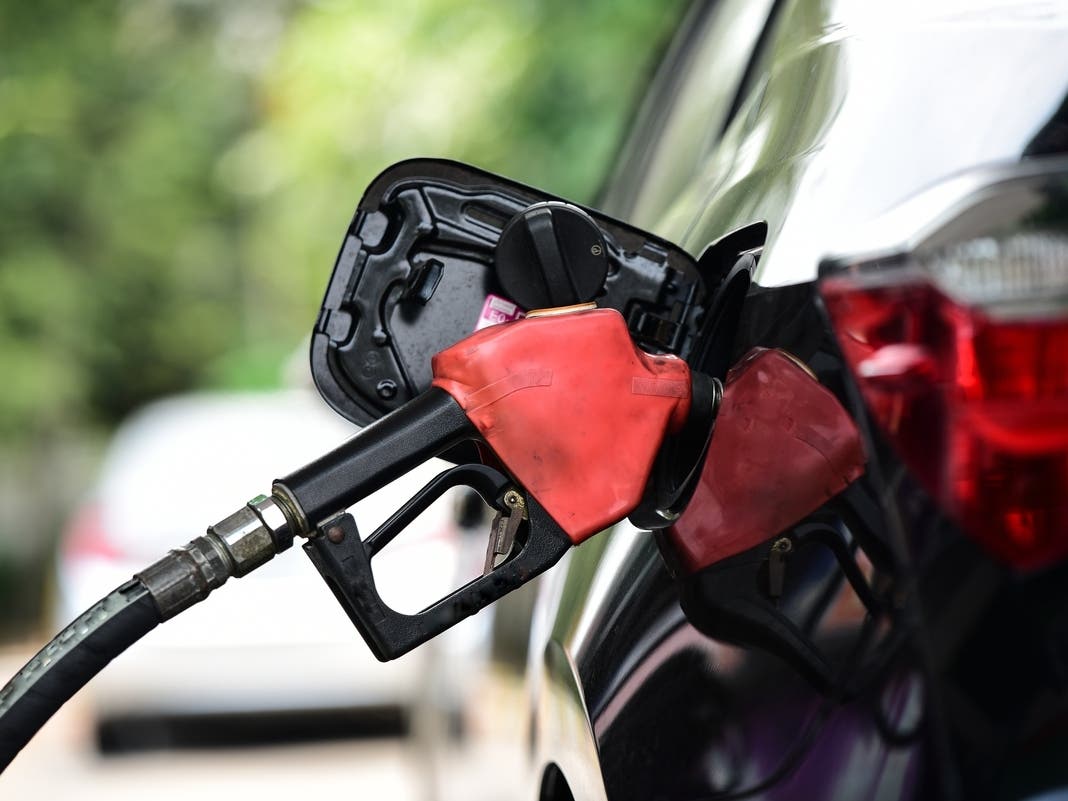
The ongoing conflict with Iran has driven gas prices to $3.93 a gallon on average in Florida, and some analysts are predicting they’ll go even higher as summer approaches.
Crude oil prices have surged about 40 percent since the combined U.S. and Israeli airstrikes on Iran began on Feb. 28, reaching their highest levels since 2022, trading above $100 a barrel.
Iran has nearly halted traffic through the narrow Strait of Hormuz, where a fifth of the world’s oil typically sails from the Persian Gulf to customers worldwide. About 7 percent of U.S. crude oil imports flow through the strait.
Find out what’s happening in St. Petefor free with the latest updates from Patch.
The largest supply disruption in the history of the global oil market, it could make $5-a-gallon gas commonplace this spring and early summer if oil costs reach $150 a barrel, Barron’s reported. Analysts caution that hitting that level isn’t certain, but if the conflict drags on for months, it increases the odds of much higher pump prices.
The national average for a gallon of regular unleaded gasoline jumped about 7 cents overnight Monday to $3.79, according to AAA. That compares to $3.54 a gallon a week ago, $2.92 a gallon a month ago, and $3.08 a gallon a year ago.
Find out what’s happening in St. Petefor free with the latest updates from Patch.
In Florida, Tuesday’s state average compares with $3.63 a gallon a week ago, $2.83 a gallon a month ago, and $3.09 a gallon a year ago.
Gas prices around Monroe County are currently the highest at $4.11 per gallon, according to AAA, while motorists in Oskalossa County in the panhandle are paying the lowest at $3.48 per gallon.
Both the shift to more expensive summer-blend fuel, which is less prone to evaporating in the heat and causing smog, and increased spring break travel are also contributing to higher prices, according to AAA.
“We were all set to rise to $3.10-$3.25 a gallon with a peaceful Persian Gulf,” Tom Kloza, senior adviser for fuel supplier Gulf, told Reuters, in the hours after the initial bombings. “We’ll now get there very quickly, and the action of the last 48 hours puts higher numbers in play.”
Oil has been trading for around $100 a barrel, but the price could double if the Strait of Hormuz isn’t fully opened, Rory Johnston, an oil analyst who founded the newsletter Commodity Context, said in a post on X in early March.
Iran is maintaining its stranglehold over the 1-mile-wide waterway that connects oil-rich countries in the Persian Gulf to the rest of the world. Last week, Ebrahim Zolfaqari, the spokesperson for Tehran’s Khatam al-Anbiya military command headquarters, said the de facto blockade would continue.
“Get ready for the oil barrel to be at $200because the oil price depends on the regional security, which you have destabilized,” Zolfaqari said in comments addressed to Washington.
As a general rule, every $10 increase in the price of crude oil adds 20 to 30 cents to the cost of a gallon of gas.
U.S. Energy Secretary Chris Wright said on CNN that it is “unlikely” crude oil prices will reach that level.
“I would say unlikely, but we are focused on the military operation and solving a problem,” Wright said.
The Trump administration has consistently downplayed the long-term effects of the conflict on gas prices, a stand Patrick DeHaan, the head of petroleum analysis at GasBuddy, shot down in a post on X.
“If only politicians were petroleum analysts, they may realize they can wish for things, but they don’t always get them,” DeHaan wrote. “Prices aren’t likely to drop back fully down to pre-war prices until later this year, since seasonal factors will prevent a full drop back down.”
DeHaan wrote on Substack that even if oil prices stabilize, prices at the pump are likely to continue rising as higher wholesale costs move through the supply chain.
“For now, motorists should prepare for continued volatility and potentially higher prices at the pump as one of the world’s most important energy regions faces its most serious escalation in years,” he wrote.
The United States is releasing 172 million barrels of oil from its strategic petroleum reserve to combat soaring energy prices and supply shortages. The move is part of a coordinated 400-million-barrel release by the International Energy Agency to stabilize global energy markets, with deliveries lasting about 120 days.
The conflict is also affecting the price of diesel, which powers the nation’s freight transportation, agriculture, construction, and manufacturing industries. Diesel prices averaged $5.04 a gallon Tuesday, up from $4.78 a week ago and $3.65 a month ago.
The average cost for a gallon of diesel fuel in Florida on Tuesday was $5.19.
Steep increases in oil prices could ripple across the economy. The closed strait is already stalling shipments of fertilizer ingredients farmers need for spring planting, as well as raising prices on household items that could affect consumers for months to come.
Get more local news delivered straight to your inbox. Sign up for free Patch newsletters and alerts.