
Tampa attorney Ethan Loeb, with one high-profile case and client, is making a potentially precedent-setting argument that could drastically change how Tampa decides zoning cases.
Loeb, representing prominent Tampa developer Punit Shah and his firm, Liberty Group, is making an argument and will try to convince the Florida Supreme Court to strip Tampa City Council of its authority to decide what projects win or are denied approval.
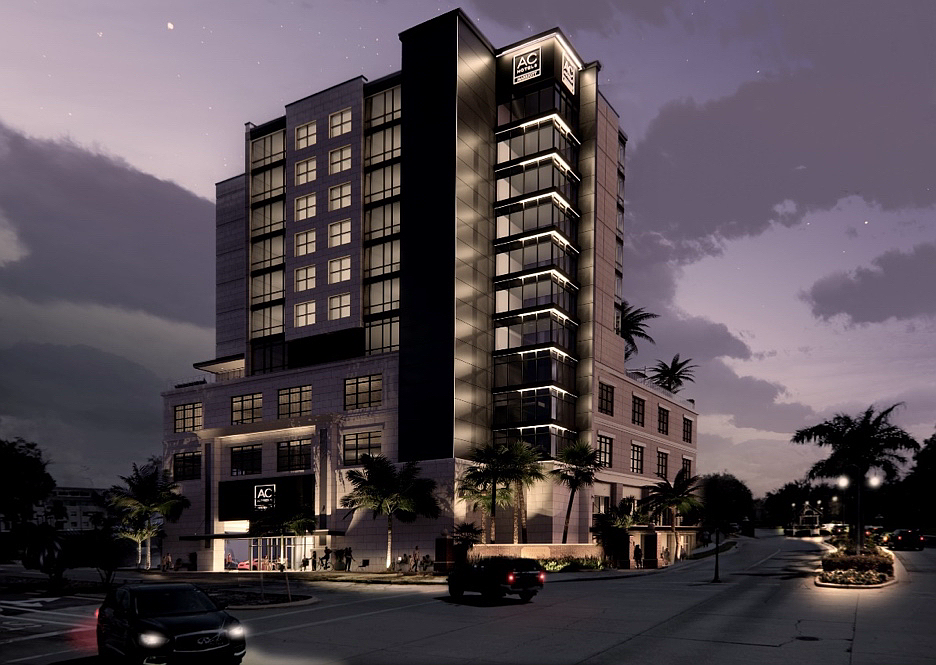
The case — in part focused on a complicated argument that hinges on legal technicalities — involves Liberty Group’s attempt to win zoning approval for a boutique hotel at 800 S. Harbour Island Blvd .on Harbour Island. The city rejected Liberty’s plans — twice.
Liberty adjusted the plans after the first denial to make it more palatable for city leaders but, despite those changes, in December 2022 City Council voted 4-3 to turn down the project after Harbour Island residents came out in mass to protest it.
The led to Liberty suing the city of Tampa. At the center of the Loeb’s argument is that because of the way Tampa’s city charter is written, City Council has quasi-legislative powers, not quasi-judicial powers that would allow it to make the decisions it made against Liberty.
In layman’s terms: the city, argues Loeb, can create zoning rules and cannot turn down projects as long as the plan meets those rules.
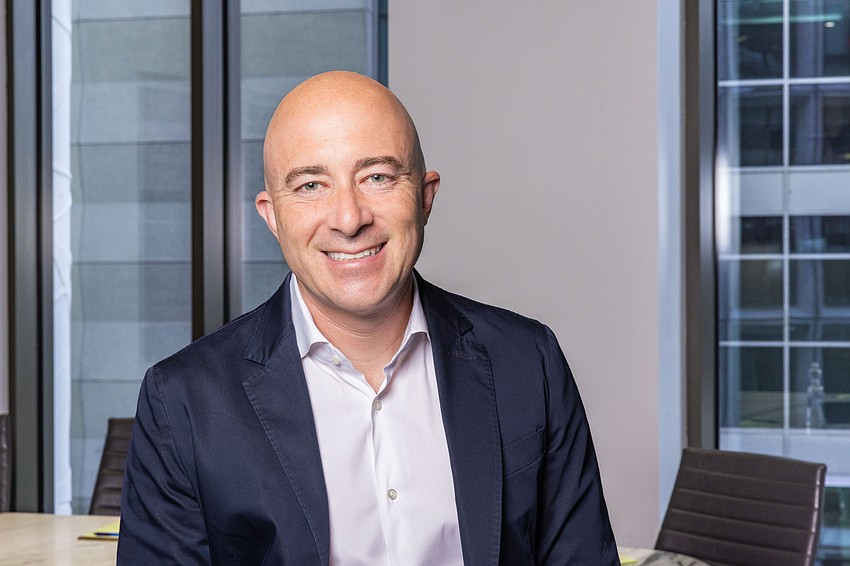
Ethan Loeb is a partner at the Tampa law firm Bartlett, Loeb, Hinds, Thompson & Angelos.
Courtesy image
A three-judge panel in Florida’s Second District Court of Appeal sent the case back to the local circuit court for a rehearing in a decision, announced earlier this month.
Harbour Island, a community just off of downtown Tampa, near Benchmark International Arena, Water Street Tampa and the convention center, is set up so the north side is for commercial use and the south for residential.
Liberty’s property, outside a secured gate and gatehouse for the major residential portion of the community, is currently zoned for office and was first built on in 1987 as a sales office for Harbour Island. It later became a SunTrust Bank branch, which closed in 2014.
Following the second denial, Liberty tried to force the city to accept the plans through court action, arguing it bowed to political pressure and did not follow its own rules. The argument included the challenge to the city council’s authority.
In late 2024, Judge Anne-Leigh Gaylord Moe agreed that the city council did not have quasi-judicial authority to decide zoning cases. (Moe, a Circuit Court judge at the time, was appointed as judge to the Second District Court of Appeal in 2024 and assumed office Jan. 1, 2025.)
The city appealed the decision, which is what led to the March 6 ruling.
The city attorney’s office forwarded questions about the case to a city spokesperson.
“The ruling,” the spokesperson writes in an email, “means that the Second DCA concluded that Tampa City Council had, and continues to have, authority to conduct quasi-judicial hearings” and sent the case back to the circuit court to rehear.
“The remand is on hold now because Liberty has sought review by the Florida Supreme Court and there will be briefing over the next few months to assist the FSC with whether it will accept the case for review.”
Appeals court Judge Robert Morris wrote the opinion. Judges Morris Silberman and Daniel H. Sleet concurred.
After the second district court ruling, the Business Observer spoke to Loeb, a partner at the Tampa firm Bartlett, Loeb, Hinds, Thompson & Angelos, about the case’s merit, what the ruling meant from his point of view and the law behind his argument. Edited excerpts:
Where the argument originated
Loeb says that according to Tampa’s city charter, the mayor has quasi-executive authority and the city council has quasi-legislative authority. Neither, though, have quasi-judicial powers.
Based on that, he argues the city doesn’t have the ability to hear rezoning cases “because they don’t have power under their charter.”
“And if you know anything about municipal government, the charter is basically the constitution of the local government. So, the people did not give City Council the quasi-judicial powers to decide rezonings.”
What the lower court will look at
“This is where it starts getting wonky with the jurisdictional stuff,” Loeb says.
Certiorari is where a higher court reviews the decision of a lower court — inferior tribunal — to see if it made “the right call.” In this case, the inferior tribunal would be City Council.
The judge will look at the case not on the merits of the zoning but to see if City Council did its work properly.
What the judge will look at is whether City Council gave due process — giving notice that the hearing was going to happen and allow everyone with standing an opportunity to be heard.
The judge will also look at the evidence that it used to make a decision to see if it was competent and substantial. For example, are there traffic studies to back up a neighbor’s complaint that a project will make traffic worse?
Finally, the judge will look to see if City Council made its decision based on the elements of the law, its own zoning code.
What happens now
The next step in the process, says Loeb, is taking the case to the Florida Supreme Court.
He believes given its current make up and judicial philosophies the case “will be received pretty favorably.” (The Florida Supreme Court has seven justices; six of them, including Chief Justice Carlos G. Muniz, were appointed by Gov. Ron DeSantis, while one, Justice Jorge Labarga, was appointed by then Gov. Charlie Crist in 2009, when the governor was a Republican.)
As for the city, it can amend the charter and establish a zoning board with the expertise to make the decisions based on the rules in place. Or it can follow Hillsborough County’s model, setting up a land use hearing officer who receives evidence, makes a recommendation and takes it to county commissioners.
Zoning decisions would still go before City Council, Loeb says, “but their ability to just play politics at that point in time should be severely diminished.”