
Home » AIRLINE NEWS » Travel Disruptions at Fort Lauderdale Airport as Spirit, JetBlue, and Delta Airlines Affected with 211 Delays and 5 Cancellations Across Miami, Orlando, New York, and Major US cities
Published on
March 20, 2026
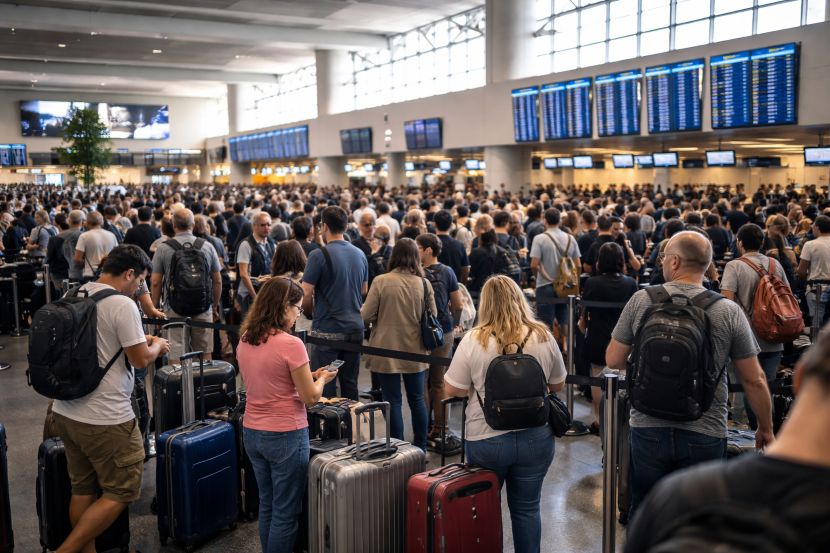
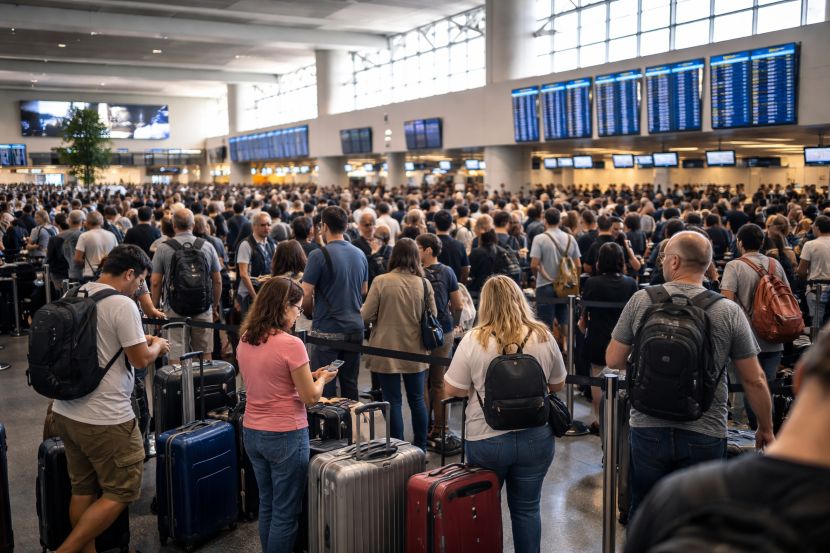
Fort Lauderdale-Hollywood International Airport (FLL) had a bad day with a combined 211 delays and 5 cancellations of scheduled flights. Airline customers and Florida airports are affected because Spirit, JetBlue, and Delta airlines are involved. Spread Delta and JetBlue delays across customers for international and domestic flights. These delays have been departing and arriving at FLL, and have disturbed the travel plans for hundreds of customers. Deep delays have affected the economy of the Florida region by impacting tourism.
 Disruptions at a Glance: Affected Airlines and Flights
The scale of the disruption at Fort Lauderdale International is significant, with a variety of airlines seeing cancellations and delays. Among the hardest hit, Spirit Airlines faced the highest number of delays, with 81 flights delayed, representing 39% of its scheduled departures. The airline also experienced three cancellations, although this accounted for only 1% of its total flights.
JetBlue also faced substantial disruptions, with 49 delays (22% of its flights) and no cancellations. Other major players, including American Airlines and Delta, had smaller delays, but Southwest Airlines, which experienced 10 delayed flights (15% of its total), was also impacted.
The delays weren’t limited to U.S.-based airlines. International carriers such as Air Canada, Avianca, and WestJet saw smaller numbers of delays and cancellations, highlighting the far-reaching effects on both domestic and international travel.
Airline Breakdown of Disruptions:Spirit Airlines: 81 delays (39% of flights), 3 cancellations (1% of flights)JetBlue: 49 delays (22%), 0 cancellationsDelta Air Lines: 16 delays (18%), 0 cancellationsAmerican Airlines: 8 delays (15%), 0 cancellationsSouthwest Airlines: 10 delays (15%), 0 cancellationsAllegiant Air: 12 delays (23%), 0 cancellationsFrontier: 5 delays (15%), 2 cancellations (6%)Porter Airlines: 5 delays (55%), 0 cancellationsAztec Airways: 4 delays (23%), 0 cancellationsBahamasair: 3 delays (50%), 0 cancellationsAvianca: 1 delay (25%), 0 cancellationsAlaska Airlines: 1 delay (10%), 0 cancellationsAir Transat: 1 delay (25%), 0 cancellationsWestJet: 1 delay (50%), 0 cancellationsUnited Airlines: 7 delays (10%), 0 cancellationsCaribbean Airlines: 1 delay (50%), 0 cancellationsAvelo Airlines: 1 delay (25%), 0 cancellationsAir Canada: 1 delay (10%), 0 cancellationsWestern Air: 3 delays (75%), 0 cancellationsSun Country Airlines: 1 delay (50%), 0 cancellationsPassengers Affected: A Major Inconvenience
These delays and cancellations have affected numerous passengers, leading to frustrated travelers stranded at one of Florida’s busiest airports. The ripple effects of such disruptions extend beyond immediate inconvenience, with passengers missing connecting flights, unable to make timely appointments, and dealing with last-minute rerouting. The airport’s terminal, usually bustling with tourists, was overwhelmed as both inbound and outbound flights faced delays across multiple airlines.
It’s important to note that travelers departing from Fort Lauderdale often connect to global destinations, meaning delays here have international consequences. The airport, a key hub for both leisure and business travelers, saw significant disruptions in its daily operations, and many passengers found themselves stranded or rerouted to other airports, causing further chaos in Florida’s air travel system.
Advertisement
Advertisement
Impact on Florida’s Tourism Industry
Florida’s tourism industry is no stranger to challenges, with the state hosting millions of visitors annually. Fort Lauderdale, a major entry point for international and domestic travelers, is particularly vulnerable to such disruptions. When flights are delayed or canceled, visitors may miss out on pre-planned vacation activities, business events, or critical connecting flights to other parts of the country or world.
Tourism, a key sector for Florida’s economy, has been steadily rebounding from the effects of the pandemic, but events like this one underscore the vulnerability of the industry. With thousands of passengers traveling to Fort Lauderdale from international destinations, delays can significantly affect vacationers’ experience, potentially driving them to reconsider future travel to Florida.
The impact on local businesses, such as hotels, restaurants, and transportation services, can be just as significant. If visitors are forced to extend their stays due to delayed or canceled flights, they may end up occupying local hotel rooms longer than expected, creating a domino effect on reservations and availability. Additionally, tourists often cancel or reschedule their sightseeing plans, directly affecting the local economy, especially during peak seasons.
Conclusion: Disruptions Point to a Need for Improved Air Traffic Management
Fort Lauderdale International is a key travel hub for many individuals, but today’s disruption shows how unpredictable delays can be. It is of utmost importance that airlines and airport authorities collaborate to balance flight schedules and better inform passengers of their status. Every major delay or cancellation not only traps passengers, but also shows Florida as a tourism destination to be highly unstable.
Travelers using Fort Lauderdale should be flexible in their travel plans to account for updated information regarding their flight. As for local tourism businesses, their customer service may take a large hit as frustrated tourists negatively impacted by delays and flight disruptions may lead to a bleed of reservations to offset their elevated booking expectations.
Source: Flightaware
