
TALLAHASSEE — Orange and Seminole counties’ rural boundaries are safe for another year, despite a last-minute attempt in the Florida Senate to weaken them for the benefit of a developer who is also a former state representative.
The effort was pushed by Sen. Jonathan Martin, a Fort Myers Republican, with support from Sen. Jason Brodeur, the longtime Republican lawmaker from Lake Mary. Brodeur is also a longtime friend and former business partner of Chris Dorworth, the Central Florida developer whose wealth could have multiplied from the proposed change.
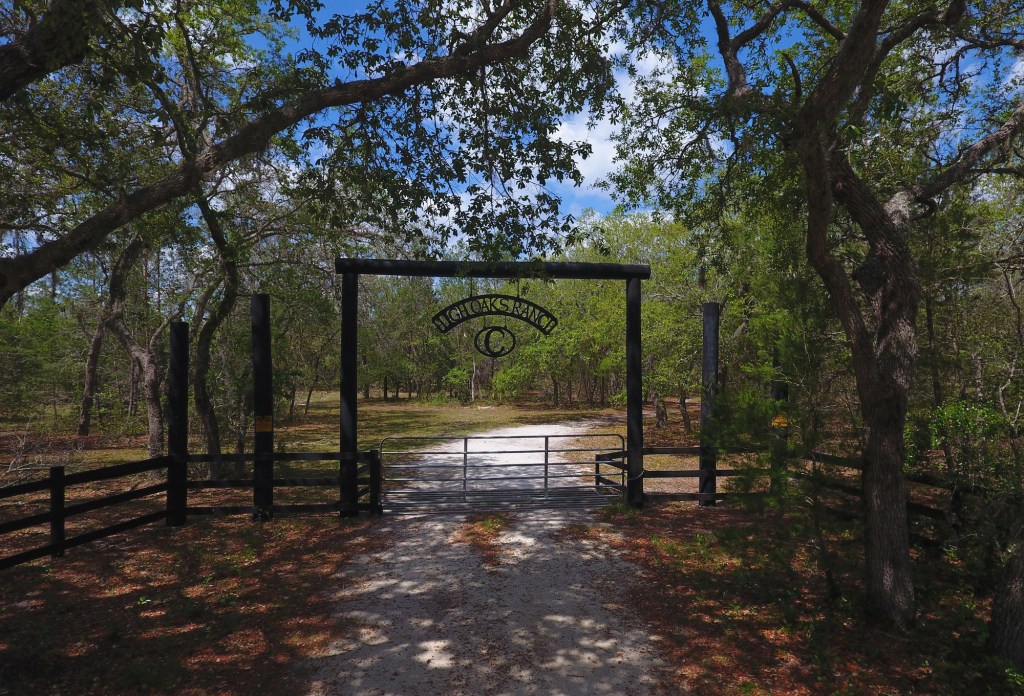
At issue were the voter-approved boundaries that limit development in more rural areas of both counties, protecting natural lands, farms and homes set on large parcels rather than suburban lots.
Martin proposed undermining them in a measure he filed in February, then withdrew it before senators could debate or vote on it, only to bring it back on March 13, the last day of the legislative session. His bid was blocked on the Senate floor.
Sen. Kathleen Passidomo, a Naples Republican and former senate president who chairs the powerful rules committee, said she was “distressed” by Martin’s amendment, slipped onto a larger land use bill, as it had not been discussed or vetted by any Senate committee.
“We are being asked today to accept something that is pretty massive,” Passidomo said during a floor debate. “I have a real problem with that. I didn’t get a chance to see it till it was filed. You all didn’t get a chance to discuss it.”
The amendment, based on an opinion by Attorney General James Uthmeier, would have allowed property owners within or adjacent to rural boundaries to seek compensation if the county didn’t grant them permission to remove the boundary’s zoning restrictions. It applied only to counties that require a supermajority vote to change rural boundary lines, as both Orange and Seminole do.
It also would have allowed a property owner who had previously lost a state or federal court challenge to seek compensation for his property’s fair market value — a rule that would have benefited Dorworth, who unsuccessfully challenged Seminole’s rural boundary in state and federal courts.
Dorworth, a former state legislator, spent years and hundreds of thousands of dollars fighting the Seminole County Commission’s rejection of his plans for the 669-acre River Cross project, which would have built single-family homes, apartments and industrial and commercial buildings within that county’s rural boundary.
After losing numerous lawsuits and appeals, Dorworth gave up the project but vowed that he was “devoting the entirety of my professional life to adding more projects currently in the rural area.” His company filed for bankruptcy after the county commission sued for legal fees.
Uthmeier’s office has since called rural boundaries “likely” unconstitutional, a view other attorneys said was based on flawed logic that ignores legal precedent and past court rulings.
Martin’s amendment was based on that AG’s opinion, and he said he will try again in 2027.
“I look forward to changing this next year,” Martin said.
Lee County, which he represents, has no rural boundary. He drafted the amendment based on the informal opinion he requested from Uthmeier asking if the rural boundaries in Orange and Seminole counties amounted to an unconstitutional government taking of private property.
Uthmeir’s office said they likely did.
No county official asked him to pursue this, Martin said, but he started hearing from individuals who had concerns about the process to be removed from the rural boundary or to be compensated.
He did not say whether Dorworth was among those who contacted him, but Dorworth was among the first to receive a copy of the AG opinion, which he immediately forwarded to several Seminole commissioners.
The amendment “is written the way it is to bring in the legal findings provided by the Attorney General’s office,” Martin said during Friday’s floor debate. The goal, he said, was to provide an alternative to resolving conflict without going to court.
“Without this amendment, … the only option is to file a lawsuit,” he said.
Sen. Carlos Guillermo Smith, a Democrat whose district includes part of Orange County’s rural boundary, said Martin assured him during a phone call in December that he was not planning to file legislation based on Uthmeier’s opinion.
“You gave me your word that the reason you asked was not so you could bring legislation forward to weaken or undo Orange County’s rural boundary,” Smith said Friday. “When you told me and gave me your word, were you trying to mislead me intentionally or were you lying to me?”
Before Martin could answer, Sen. Don Gaetz, R-Niceville, objected that the question violated Senate rules of civility, and Senate President Ben Albritton, R-Wauchula, gave a “friendly warning” to keep things civil.
More than half of Seminole County residents voted to approve a rural boundary in 2004 to preserve 75,000 acres, or 35%, of the eastern part of the county. Within the boundary, some sections limit development to one home per five acres and others to one home per 10 acres, all an effort to preserve the area’s rural character.
Two years ago, 82% of voters amended the county charter to require a super majority of county commissioners to remove lands from the boundary, change zoning, or sell off county lands within the boundary.
Orange County residents in 2024 voted to place 345,000 acres in a rural boundary, requiring a super-majority of commissioners to remove land or change zoning.
Orange’s boundary is currently being challenged in court by the developer of the controversial 2,000-home Sustanee project, proposed for over 1,300 acres of cattle land.
Brodeur said he has supported rural boundaries for the 14 years he’s served in the Legislature, but his thinking changed when elected officials in Seminole and Orange counties vowed they would never vote to change those boundaries.
“Blanket property restrictions could very well constitute a taking,” Brodeur said. “There is no hearing you can receive that will be fair, no application you can file that will be considered on its merits.”
The decision by voters to require a super-majority of commissioners to remove land from rural boundary restrictions instead of a simple majority also modified Brodeur’s position, he said.
He and Martin both insisted they also were attempting to protect rural boundaries from developers’ attempts to nullify them altogether, using a law that passed last year. That law (SB 180) was meant to expedite restoring hurricane damaged homes. But it has raised concerns among local governments that it would preempt rural boundaries and other growth controls, and expose them to litigation.
“We could easily be here with language that says rural boundaries are hereby prohibited. Over. done,” Brodeur said.
Instead, the measure “seeks to preserve them” while being fair to property owners.
David Bear, a Winter Springs attorney and president of the Save Rural Seminole nonprofit, said Broduer’s views are out of step with those he represents.
“The residents have declared they want to grow this way. That’s what is so offensive,” Bear said. “He is not just expressing a policy difference, but scrapping that and saying, ‘No, let’s do it this way,’ which happens to align with the interests of his donors and best friends.”