
Home » AIRLINE NEWS » Hundreds of Passengers Stranded in Orlando, Florida,US as Orlando International Airport Delays 256 and Cancels 14 Flights, Disrupting Airlines like Delta, American Airlines, Southwest, United, JetBlue, and More, Affecting Routes to New York, Miami, Chicago, and International Destinations
Published on
March 21, 2026

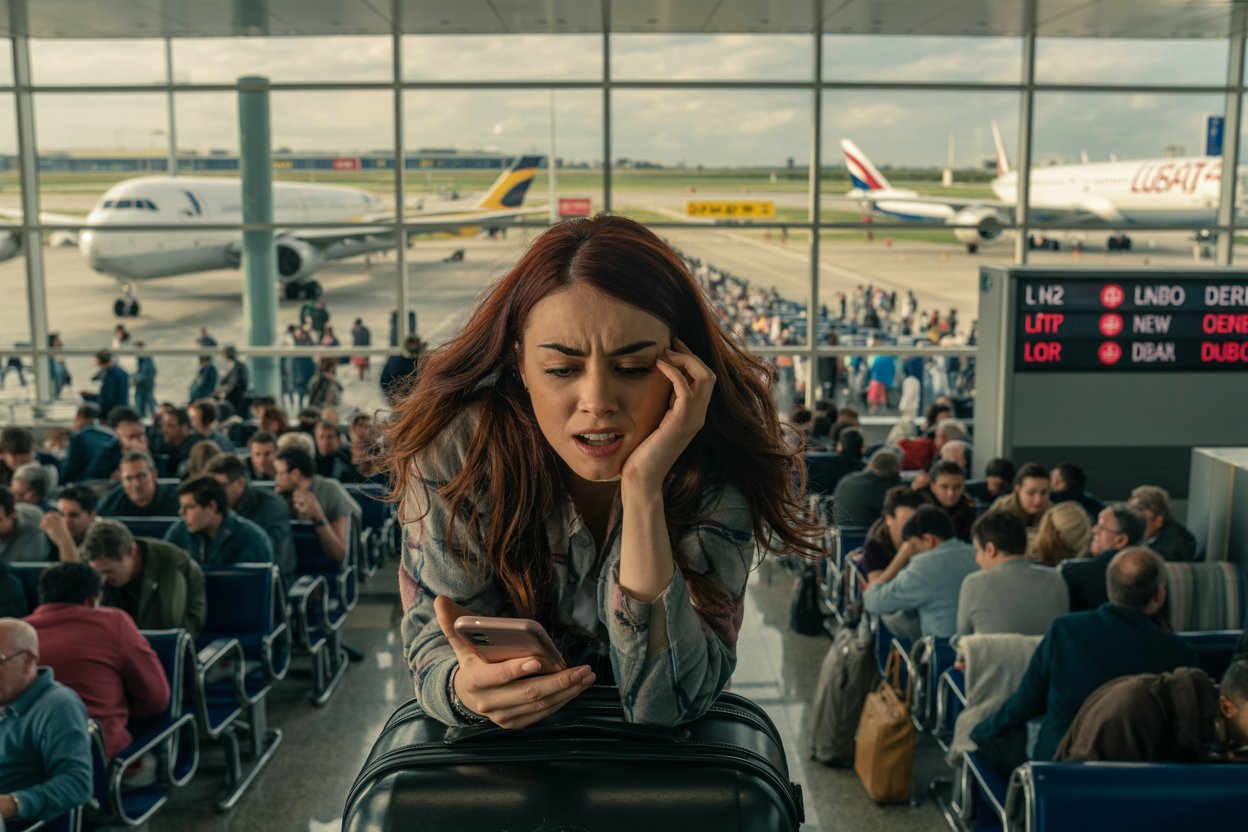
Image generated with Ai
Thousands of travellers at Orlando International Airport (MCO) were met with unexpected delays and flight cancellations this week as official tracking systems showed an overwhelming 256 flight delays and 14 cancellations, throwing travel plans into disarray at one of the busiest gateways in the southeastern United States. For many holidaymakers headed to Florida’s famed theme parks and business travellers returning home, the morning that began with excitement quickly turned into hours spent waiting in terminal lounges or scrambling for alternate flight options as airline schedules buckled under rising operational pressures.
Flights across key domestic and international routes — including services operated by major carriers such as Delta Air Lines, American Airlines, Southwest Airlines, United Airlines, and JetBlue — were affected by the disruption, with passengers reporting shifting departure times and long waits at departure gates. Orlando International Airport’s role as a major hub for both leisure and business traffic means that such widespread delays have profound impacts on both travellers and the surrounding tourism ecosystem.
Travel Surge and Operational Stress at Florida’s Primary Airport
Orlando International Airport — one of the busiest airports in the United States — has been navigating exceptional passenger volumes amid the ongoing Spring Break travel surge, as visitors flock to Central Florida for vacations and family trips. Official federal aviation data and real‑time airport status indicators capture how traffic flow and scheduling pressures have built up across the national airspace, with MCO among the airports experiencing elevated disruption figures. Real‑time flight status dashboards show frequent delays beyond 15 minutes on a large number of arrivals and departures, with some longer rescheduling events stretching into hours.
Despite the Orlando airport’s usual capacity to handle large travel volumes efficiently, this week’s unscheduled delays and cancellations were significantly above typical levels, signalling operational strain that reverberated throughout arrival and departure schedules.
Airline Disruption Ripples Through Major Routes
The disruptions at Orlando International did not occur in isolation. Across the United States, major airports including New York, Chicago, and Atlanta were also reporting elevated flight delays and cancellations due to a combination of operational factors such as weather challenges and high travel volumes, a trend that has been pulled into focus with recent national delay data. These network effects often cascade through the system, meaning that a significant disruption at one airport can influence aircraft rotations and crew assignments across multiple carriers and destinations.
At Orlando, carriers with significant presence at MCO reported a mix of delayed and canceled services. While some airlines sought to rebook passengers onto alternate flights or adjust later departures, many travellers found themselves waiting longer than expected or having to rearrange their planned connections.
Advertisement
Advertisement
Passengers Face Frustration and Uncertainty in Terminals
For the passengers caught in prolonged waits, the experience was deeply frustrating. Families with young children, business travellers on tight schedules, and visitors scheduled for flights home at the end of their vacations found themselves with little clarity on departure times amid busy crowds in the terminal.
Some travellers described long lines at customer service desks as airline staff worked overtime to manage rebooking for affected passengers. Others said they spent hours monitoring flight boards as departure times continued to shift without firm updates. The human stories behind the numbers reveal stress, confusion, and in some cases, unexpected hotel stays or changed holiday plans.
Advertisement
Advertisement
“It was supposed to be a smooth trip home,” said one weary traveller, “but we’ve been waiting here for hours without any clear new time. There’s a constant back‑and‑forth, and it’s exhausting for everyone.”
Weather, Traffic Flow and Airspace Management Challenges Compound the Issue
A number of factors contribute to flight delays and cancellations at any major airport. In Orlando’s case, the current period overlaps with one of the busiest travel seasons of the year, and flights are particularly susceptible to operational shifts when volumes are high. Across the country, weather systems have also played a role in complicating on‑time performance, pushing back flights regionally and creating ripple effects that impact scheduling at downstream airports like MCO. While recent weather conditions in Central Florida have shown intermittent storm cells and shifting wind patterns, broader meteorological influences in other regions have also contributed to resistance in on‑time schedules.
In addition to weather, air traffic control flow measures occasionally slow down flight operations when airspace demand is high or when gaps between arriving and departing flights need to be widened for safety. Measures such as ground delay programs and traffic flow control — instituted by the Federal Aviation Administration (FAA) when necessary — can inadvertently slow busy airport schedules, even under normal conditions. These traffic initiatives manage the volume of aircraft entering and leaving congested airspace to preserve safety but can increase wait times when the national network is under stress.
Official Guidance Urges Passengers to Stay Updated
Airport authorities and carriers emphasise that flight schedules can change rapidly and encourage passengers to remain vigilant for updates. Travellers are advised to:
Check flight status with their specific airline before heading to the airport.Arrive early to allow extra time for check‑in and security.Register for real‑time flight notifications via airline apps and messaging services.
The Federal Aviation Administration provides general airport status information through its air traffic control system command centre reports, which offer insight into regional traffic patterns and operations, though they are not personalised flight trackers.
Orlando’s Broader Travel Ecosystem Feels the Effects
As one of the cornerstone travel hubs in the state that hosts top global destinations like Walt Disney World and Universal Orlando Resort, delays and cancellations at Orlando International Airport have broader implications for Florida’s tourism industry. Car rental counters, shuttle services, hotels near the airport and theme park reservation systems see intermittent spikes as travellers adjust plans to accommodate shifting flight itineraries.
Local concierge services and travel advisors have reported increased calls for help with rebooking and timing advice, highlighting how interconnected the travel ecosystem is — one delayed flight can affect accommodation bookings, car rentals and ground transport schedules across Central Florida.
Airlines Respond with Rebooking and Support Services
Airlines operating out of Orlando International Airport are required under U.S. Department of Transportation regulations to assist passengers in the event of significant delays and cancellations. This typically includes options to rebook on later flights, provide refunds when necessary, and assist passengers in securing accommodations in the case of overnight delays.
Customer service teams have been deployed in higher numbers at gate areas and service counters to handle questions and logistics, a testament to the scale of impact that the past several days have had on airport operations.
Conclusion: Orlando Travel Disruptions Highlight the Complexity of Modern Air Travel
For travellers navigating the chaos at Orlando International Airport, the tally of 256 delays and 14 cancellations is more than a statistic — it’s a reflection of how deeply modern flight networks are intertwined with passenger experience, operational workflow, and external conditions affecting travel.
The human impact — long waits, rescheduled vacations, and unexpected logistics — reveals the challenges of travelling in one of America’s busiest aviation hubs during a peak travel period. As airlines and airport authorities work to stabilise schedules and restore normal operations, passengers are reminded that staying informed, flexible and prepared can help weather these disruptions in a travel environment that continues to evolve. With continued attention to real‑time flight status and advance planning, travellers can navigate through even the busiest flight disruption episodes with greater confidence and resilience.
