
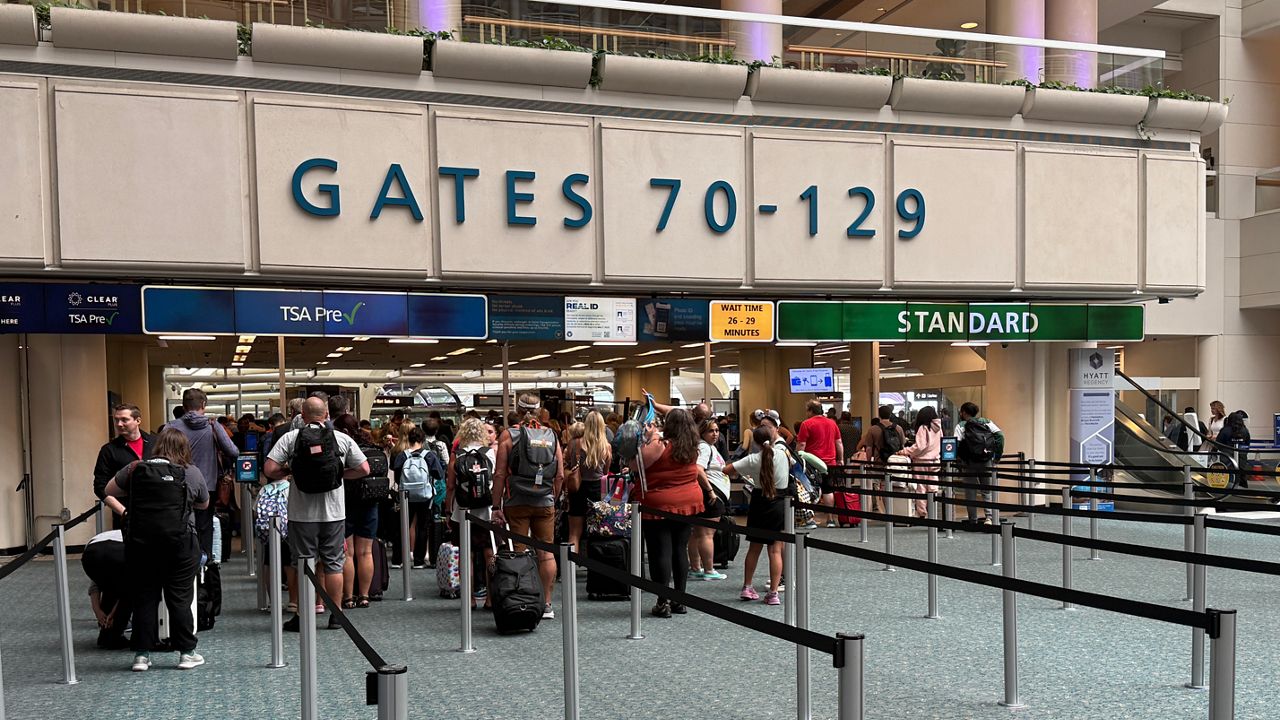
LONGWOOD, Fla. — The government shutdown reached 24 days Friday, and for millions of federal workers it means that they did not receive a paycheck, causing major concerns including how bills may get paid.
The biggest concern for people seems to be the uncertainty that comes with the shutdown, and when it might end.
What You Need To Know
Many federal workers did not receive their first full paychecks Friday as the government shutdown hits day 24
Concerns about paying bills continue to grow as uncertainty over government shutdown timeline looms
A Central Florida financial planner suggests that federal workers to take action when it comes to their finances and to be conservative about spending
Many federal workers missed their first full paychecks Friday as the country is now in the second-longest funding shortfall in U.S. history, with even more people expected to miss their checks if the shutdown goes passed Nov. 1.
This means the money that people were expecting to use to pay bills and complete day-to-day necessities will not be available until after the shutdown.
But according to Nikki Ward, the COO of Siler Wealth Management, there are some steps federal workers can take to bring some relief, which includes reaching out to their mortgage company, loan services, banks and credit card companies for help.
“Asking about a pause on payments, or something call a forbearance. See if that’s something that they offer and what that avenue specific with that company looks like and what the process could be,” Ward said. “It could be one month, it could be three months that I’ve heard some companies are offering.”
Ward said that this doesn’t mean that interest won’t accrue, but at least a lack of payments won’t ding their credit.
And to prevent these types of financial strains from happening in the future, Ward also recommended people to be very conservative with their money and to put money away by “paying yourself first”.
“Start low and then just build it from there and you’ll be shocked at how fast you can hit that three- to six-months cash reserves, living expenses and that rainy fund,” Ward said. “But then, going from there, you can really start to bulk up your savings or investment buckets, or however you want to look at it.”
The end of October means that active duty members of the military may miss their first paycheck, and could also mean that 25 states, including Florida, could shut down their SNAP programs due to lack of funding.
Ward said that there is a shutdown assistance map available that will show what resources or even deals that are available for federal workers to get any assistance they may need and she recommends for them to check it out.