
ORLANDO, Fla. — A new report raises concerns about part of the housing market in Central Florida. The National Low Income Housing Coalition (NLIHC) says the Orlando area’s shortage of affordable housing for low-income earners is the worst in America.
What You Need To Know
The Gap, A Shortage of Affordable Homes report, says Orlando has the least affordable housing for low-income earners
Ashon Nesbitt, CEO of Florida Housing Coalition, says many families who bought a home are struggling financially to stay in it
Real estate experts say local governments are working with developers to increase the supply of affordable housing in Orlando, but it will take years to meet demand
Its annual report called “The Gap, A Shortage of Affordable Homes” calls attention to the challenges.
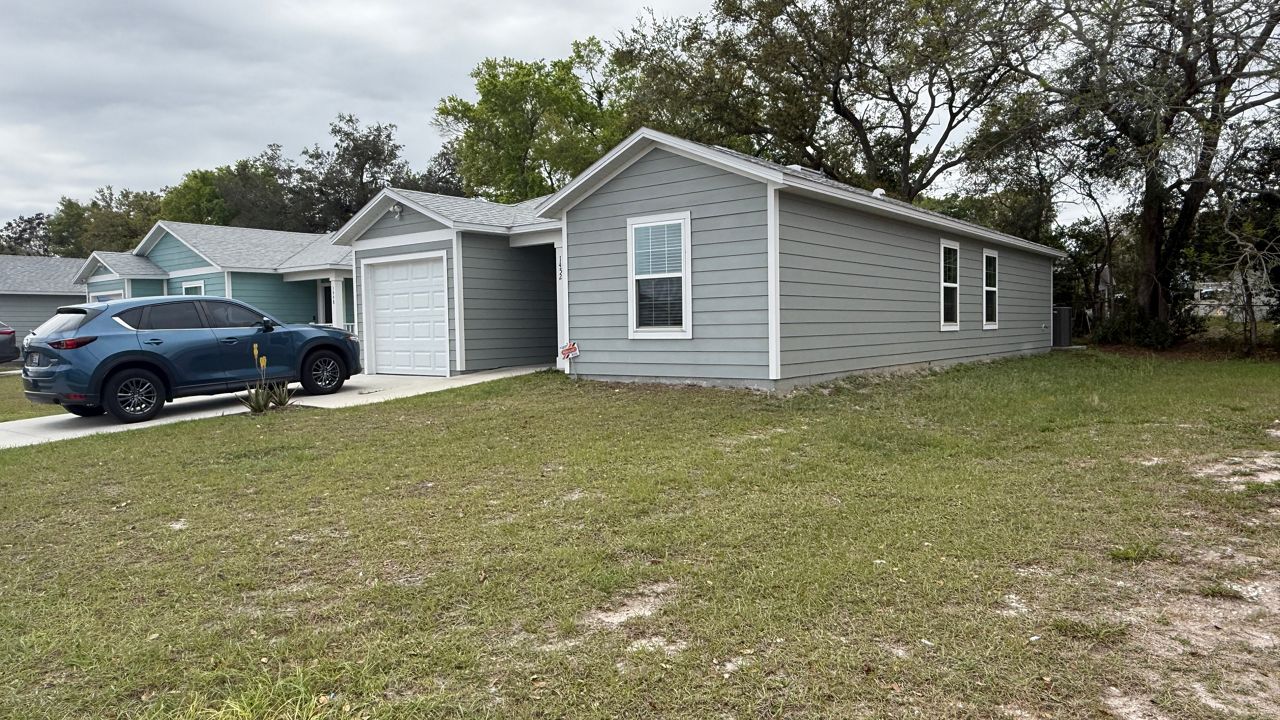
Tina Raines is taking inventory in her garage. She runs a cleaning business as a side hustle to help pay her mortgage. Raines bought her house two years ago in the Silver Pines Pointe neighborhood in Pine Hills, built by Habitat for Humanity, as it tries to address Central Florida’s shortage of affordable homes.
Raines is proud to be an owner instead of a renter, saying, “It’s mine. You know. Once I pay it off, it’s all mine.”
Ashon Nesbitt is CEO of the Florida Housing Coalition, which works closely with the NLIHC to solve affordable housing challenges.
Nesbitt says, “It is striking to see a Florida community at the top of a perhaps not so good list.”
Nesbitt explains that there are enough jobs in Central Florida for someone to buy a house. He’s more worried about families being able to afford to stay in their homes after they buy them.
Nesbitt adds, “They can probably get into housing. You know, the question is how do they sustain that long term, and I think that’s, that’s where the discussion needs to happen.”
Chris Atwell is president of the Orlando Regional Realtor Association.
He says, “There is a challenge of affordable housing in the Central Florida market.”
Atwell explains our region has faced long-term challenges getting enough housing built in our community, and now we are feeling the impact of that.
He is optimistic about the future.
“It takes local governments, as I said, having a strong partnership with the developers and the people who have the capacity and ability and financing to bring these units online,” he says.
Raines agrees with Nesbitt’s concerns about staying in her house. She says her mortgage payment jumped $400 a month this year due to higher costs in her escrow account. Raines hopes more local governments and developers will come together to help more families buy and keep their homes.
She adds, “A lot of people can help everybody. You know what I mean.”
Raines admits she could not have afforded to buy a house without help from Habitat for Humanity, and she is working three jobs to hang onto the one she finally has.
Habitat for Humanity Greater Orlando & Osceola County said the organization has built more than 450 homes and repaired more than 600 houses since it was founded in 1986. Individuals and families can learn more at www.habitatorlando.org/homeownership.
Both Nesbitt and Atwell say they do see more local governments working closely with developers over the last two years to build more affordable housing, but these programs will take time to put a dent in the huge need.