
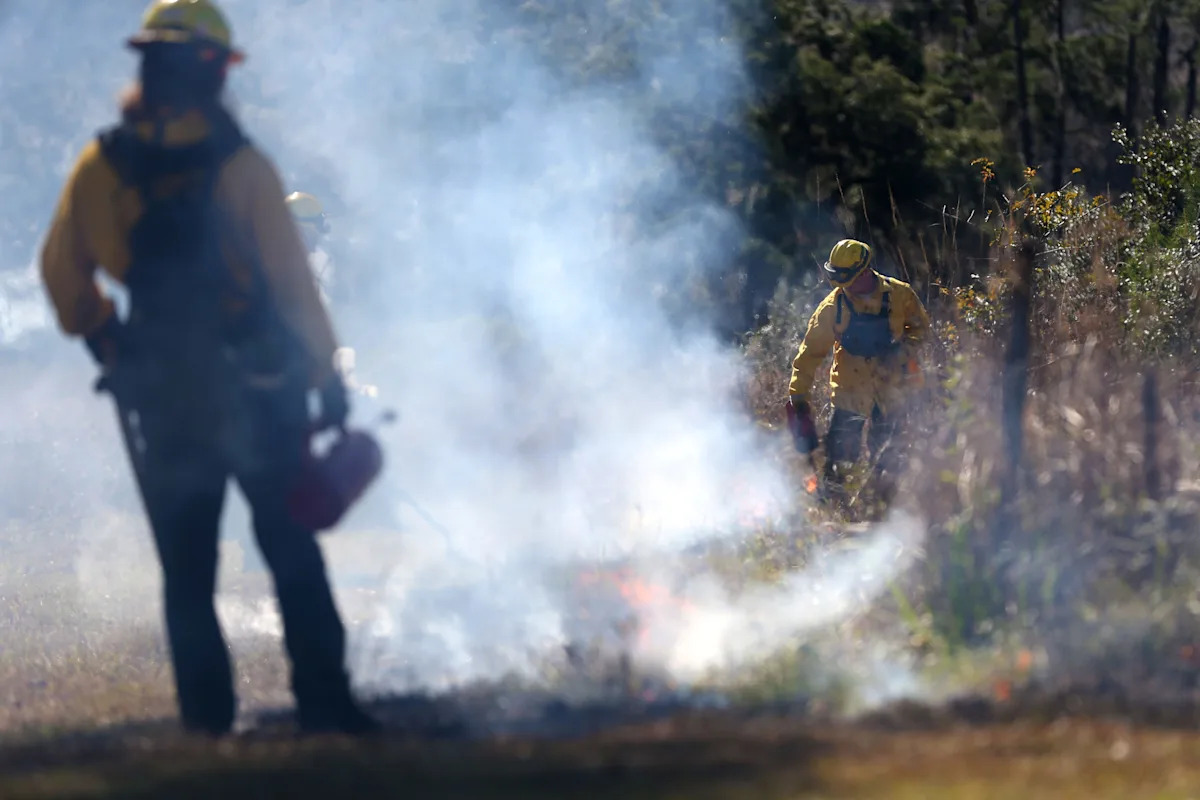
The scent of smoke drifting through the air and the sight of towering plumes of smoke are common occurrences in Florida.
But in most cases, there’s no need for alarm – you’re likely witnessing a prescribed fire, also known as a controlled burn. It may seem counterintuitive to set forestland ablaze on purpose, but there’s a good reason behind it.
In Florida’s fire-adapted ecosystems, prescribed fire is far more than a method for clearing brush – it’s an essential tool for maintaining forest health and protecting communities. Unlike wildfires, which are unpredictable and often destructive, prescribed burns are carefully planned and conducted by trained professionals under specific weather and safety conditions.
Historic home burns: Tall Timbers plans next chapter after historic Beadel house loss
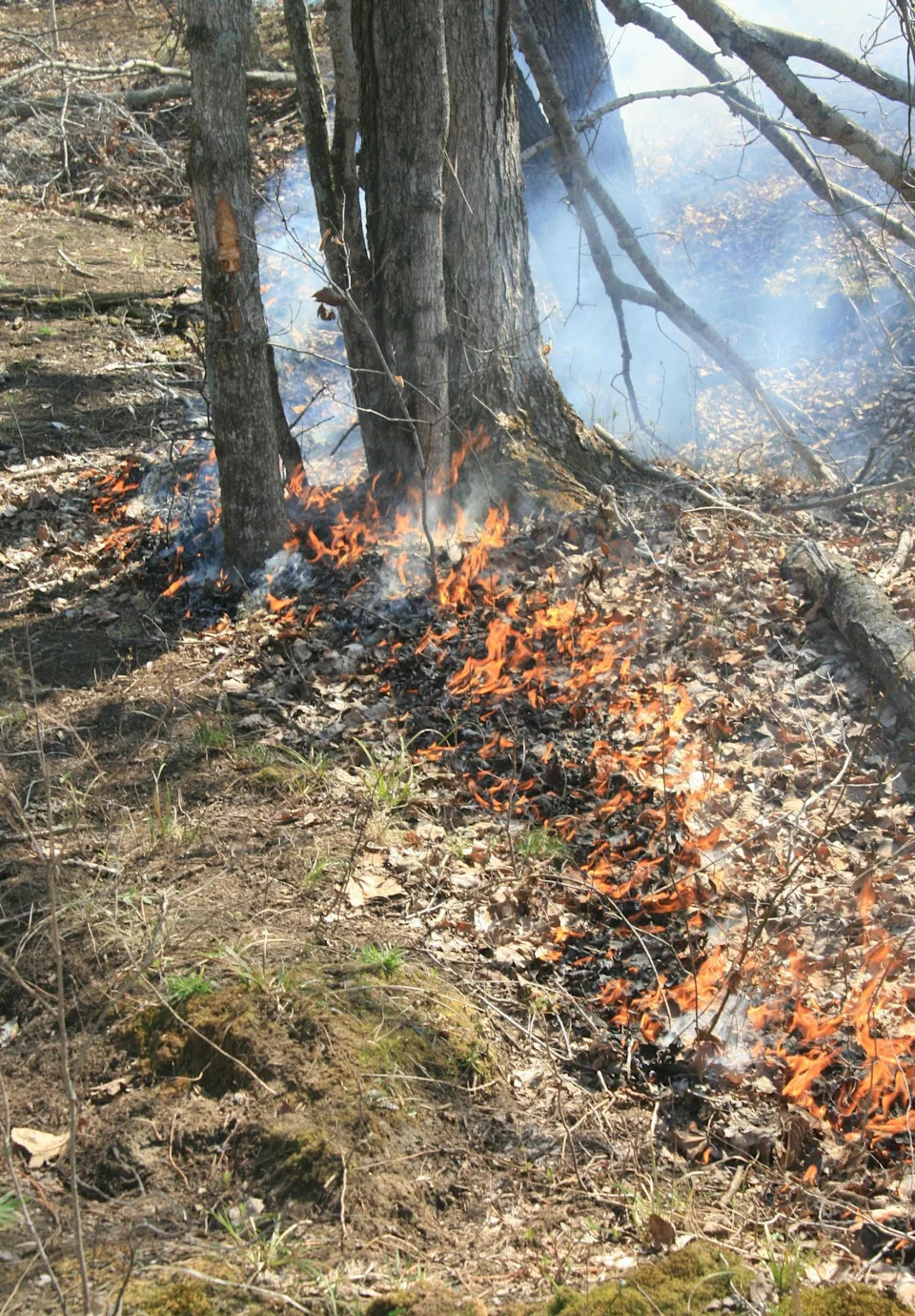
A low-intensity prescribed fire carefully reduces leaf litter on the forest floor, helping prevent more severe wildfires while promoting healthier woodland ecosystems.
One of the most critical functions of prescribed fire is its ability to reduce the buildup of dry, flammable vegetation – often referred to as “fuel.”
When left unmanaged, this fuel can accumulate over time in forests, creating the perfect conditions for intense wildfires that threaten homes, wildlife, and entire ecosystems. By periodically removing this excess fuel through controlled burns, land managers can significantly lower the risk of catastrophic fire events.
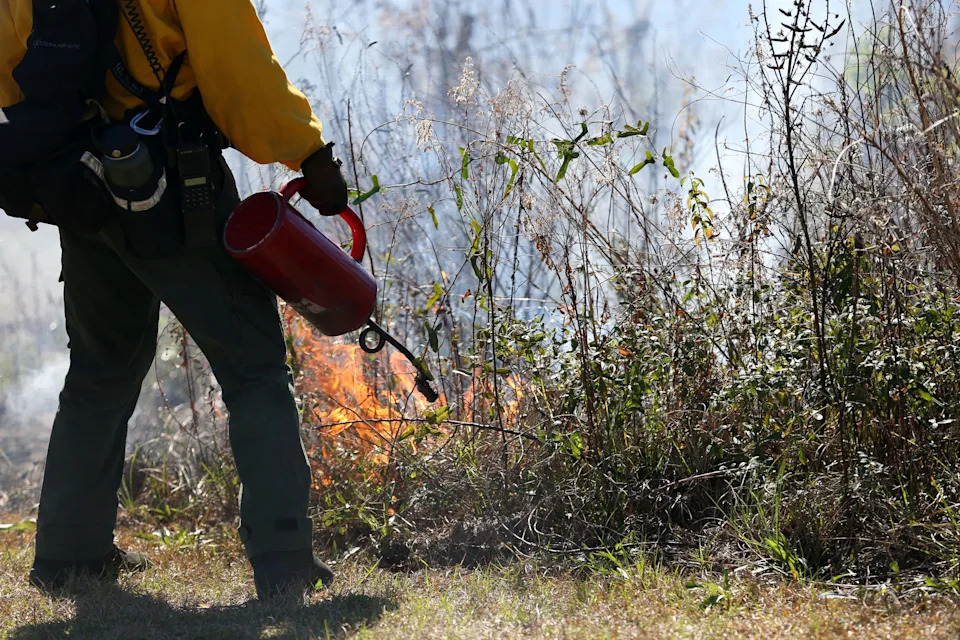
A prescribed burns manager uses a drip torch to ignite brush during a burn demonstration during the Red Hills Fire Festival at Tall Timbers on Saturday, Jan. 25, 2020.
Beyond fire prevention, prescribed burns rejuvenate the landscape. Fire stimulates the growth of native plants, many of which depend on fire to germinate and thrive. Nutrients locked in dead vegetation are returned to the soil, enriching it and supporting a diverse array of plant and animal life.
These burns also help maintain open forest structure, which is vital for species like the gopher tortoise, white-tailed deer, and various ground-nesting birds.
Lightning strike: Historic Beadel House at Tall Timbers destroyed by fire
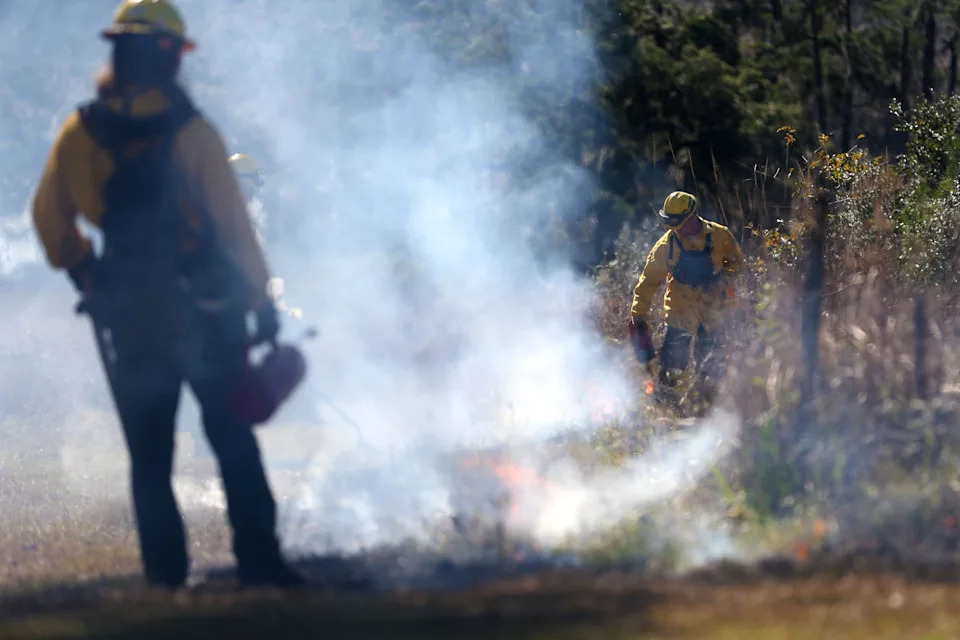
A prescribed burns manager uses a drip torch to ignite brush during a burn demonstration during the Red Hills Fire Festival at Tall Timbers on Saturday, Jan. 25, 2020.
For thousands of years, Florida’s forests have been shaped by lightning. We experience more lightning strikes than anywhere else in the U.S., especially during summer thunderstorms. These natural ignitions historically sparked low-intensity fires that cleared underbrush and maintained open, healthy ecosystems. Species like longleaf pine and wiregrass evolved to thrive in this fire-dependent environment.
Today, land managers use prescribed fire to replicate these natural cycles, ensuring that fire continues to play its vital ecological role, only now with safety and precision.
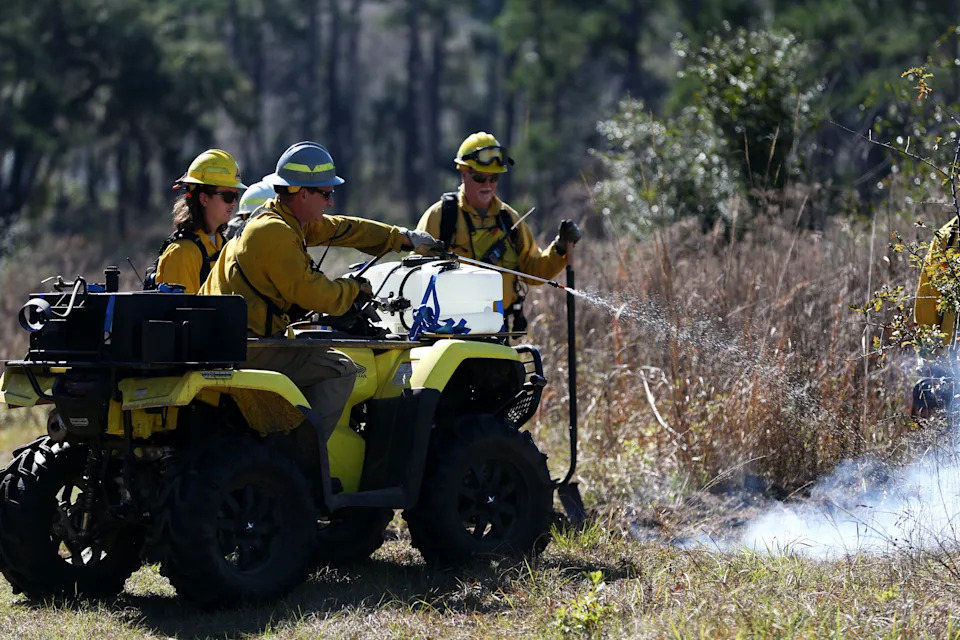
Prescribed burn managers conduct a burn demonstration during the Red Hills Fire Festival at Tall Timbers on Saturday, Jan. 25, 2020.
Florida leads the nation in the use of prescribed fire, burning more than two million acres annually. These controlled burns are essential to keeping our forests resilient and our communities safe.
As more of Florida’s wildlands are developed into neighborhoods and infrastructure, the role of prescribed fire becomes even more critical. It’s not only about land management, but about protecting homes from the threat of more severe wildfires.
Conducting a prescribed burn requires strict planning and favorable conditions.
Burns are typically scheduled during cooler, drier months – late winter through early spring – when humidity, wind speed, and temperature can be carefully monitored.
Wide firebreaks are cleared around the burn area to prevent flames from escaping, and crews are equipped with water tanks, drip torches, and communication tools to manage the fire safely. Every burn follows a detailed plan that includes smoke management, contingency strategies, and public notification to ensure both ecological benefit and community safety.
Prescribed fire is the unsung hero of Florida. Its time we recognize its role in shaping a healthier and safer Florida.
Jimmy McQuigg is a volunteer writer for UF/IFAS Extension Leon County, an Equal Opportunity Institution. For gardening questions, email the extension office at AskAMasterGardener@ifas.ufl.edu.
This article originally appeared on Tallahassee Democrat: Florida’s prescribed fires aim to prevent severe wildfires