
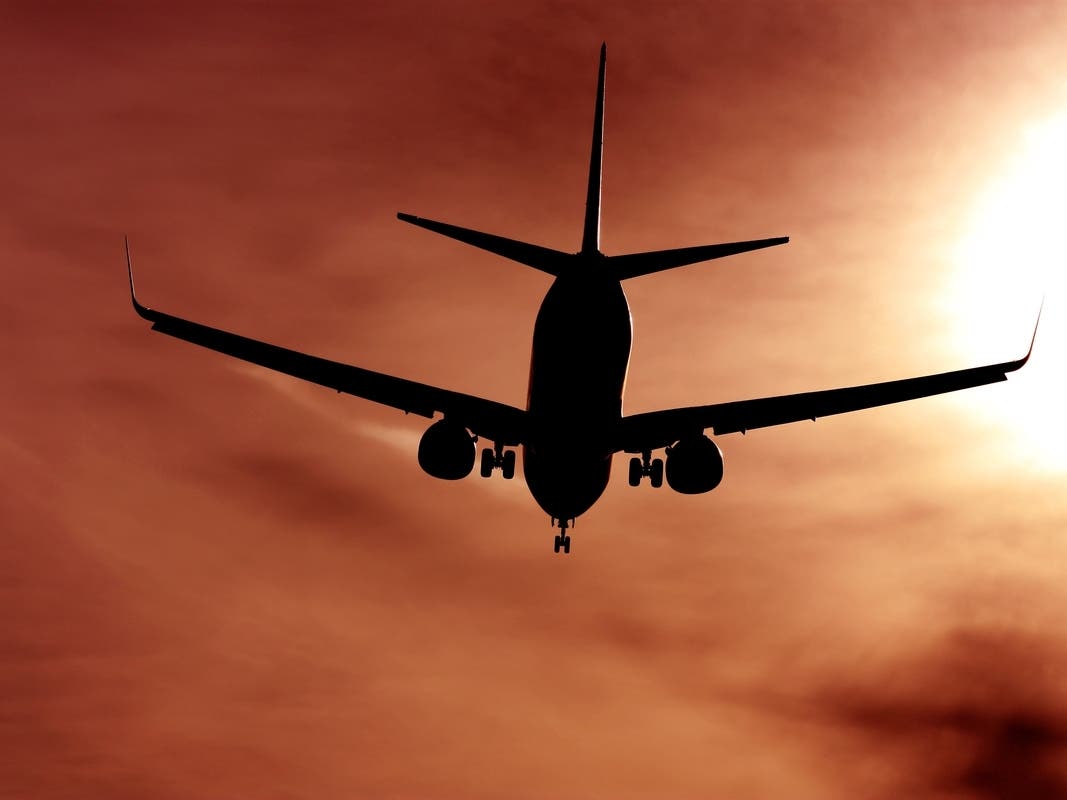
Federal authorities have flagged 15 Florida airports as having “hot spot” areas known for having a risk of collisions or runway confusion.
The airports listed in the most recent publication by the Federal Aviation Administration include the international airports in Pensacola, Orlando, Sarasota, St. Petersburg-Clearwater, Tallahassee, West Palm Beach and Miami and a list of smaller airports.
The FAA’s “airport surface hot spots” list aims to highlight known problem areas to ensure “heightened attention by pilots” and “avoid confusion, USA Today reported.
The “hot spots” concern issues including planes taxiing into the wrong taxiway, short distances between parallel runways or pilots needing to navigate taxiways with heavy vehicle traffic.
“The FAA for many years has published a ‘hot spot’ list showing pilots where incidents have occurred on runways and taxiways at airports nationwide,” an FAA spokesperson told USA Today. “The purpose is to alert pilots to be extra attentive when operating in these locations, which are typically complex or confusing intersections.”
Miami International Airport has five hot spots, Sarasota Bradenton International Airport has two and St. Pete-Clearwater International Airport has one.
The publication of the “hot spot” document comes the same month that the FAA instituted a rule change at airports nationwide based in part on safety concerns at a California airport.
Earlier this year, the chair of the National Transportation Safety Board said Washington’s Ronald Reagan National Airport and Burbank share similar concerns about the mixing of commercial and helicopter traffic.
The FAA’s list adds to an additional concern in Florida.
Agents with the Department of Immigration and Customs Enforcement were visiting Southwest Florida International Airport in Fort Myers to assist federal workers at security checkpoints during the partial government shutdown. This comes amid a shortage of Transportation Security Administration workers and a lack of pay due to the shutdown.
It was unknown how long the ICE agents would be present.