March 27, 2026, 6:03 p.m. ET
Tiger Woods was arrested and charged with driving under the influence after a single-vehicle crash in Florida.In Florida, a driver is considered under the influence with a blood alcohol level of .08 or higher, but can be charged if noticeably impaired at any level.Penalties for a first-time DUI conviction in Florida can include up to six months in jail and a fine between $500 and $1,000.Florida’s DUI penalties increase significantly for repeat offenses, higher blood alcohol levels, or if a minor is in the vehicle.
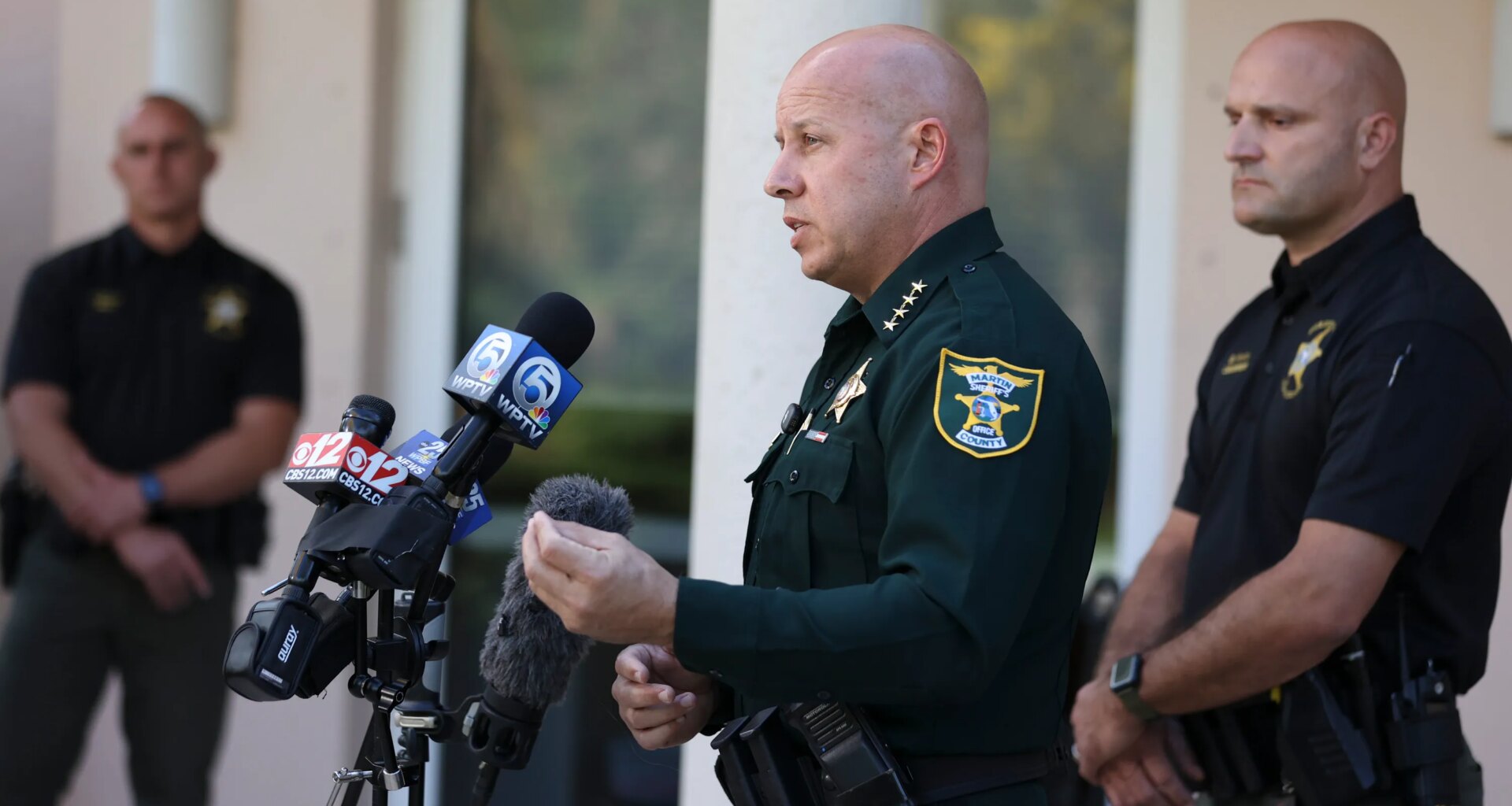
Tiger Woods was arrested and charged with driving under the influence following a crash Friday afternoon in Florida.
According to the Martin County Sheriff’s Office, Woods was driving a Land Rover on a two-lane road when he attempted to pass a truck pulling a trailer at a high rate of speed. His vehicle clipped the trailer, causing the SUV to roll onto its side and come to rest on the driver’s side.
Woods was able to crawl out of the vehicle and showed signs of impairment at the scene, authorities said. No drugs or medication were found in the car, and Woods was not injured. Deputies described him as lethargic. He was the sole occupant of the vehicle.
Woods was arrested on suspicion of DUI after an incident in May 2017 in Jupiter, but he was not convicted of DUI, after he pleaded guilty to a lesser charge of reckless driving, and entered a diversion program.
What are the DUI laws in Florida that Woods will have to face? Here’s a look:
Need a news break? Check out the all new PLAY hub with puzzles, games and more!What is the blood alcohol limit in Florida?
You are considered to be driving under the influence in Florida if your blood level or breath alcohol level is .08 or above.
However, even if your alcohol level is below that, you can still be charged if you are driving while noticeably impaired. You don’t have to be drunk for your driving to be unsafe.
There’s no set amount of “safe” alcohol. Your blood alcohol level (BAL) depends on your body weight, how much and how recently you’ve eaten, the alcohol content of your drinks, how quickly you drank them, and how long ago you drank, among other factors.
If you’ve had anything to drink at all, you could be impaired. The old standard of one drink an hour may not apply as alcohol content in drinks can vary wildly, and your judgment on how much you’ve had will be less reliable the more you drink.Coffee and cold showers can make you feel more alert, but they don’t affect your BAL at all. The only thing that reduces blood alcohol levels is time.
On average, a person’s BAL decreases by about 0.015% per hour, according to MedicalNewsToday, but this is highly variable.
What are Florida’s DUI laws?
According to the Florida Highway Safety and Motor Vehicles Department, driving under the influence means:
First conviction:Up to 6 months in jail, up to 9 months if your BAL was 1.5 or higher, or there was a minor in the vehicleA fine between $500 and $1,000, or between $1,000 and $2,000 if your BAL was 1.5 or higher, or there was a minor in the vehicleDriver’s license revoked for 6 to 12 months, or mandatory 3 years minimum if someone was injuredMandatory vehicle impoundment for 10 daysPossible installation of ignition interlock device for one year, at driver’s expense, if aggravating factors are presentA fine from $2,000 to $5,000, not less than $4,000 if your BAL was 1.5 or higher, or there was a minor in the vehicleDriver’s license revoked for at least 10 yearsMandatory vehicle impoundment for 90 daysMandatory ignition interlock device for at least two years, at the driver’s expense
Second conviction
Up to 9 months in jail (up to 12 months if your BAL was 1.5 or higher or there was a minor in the vehicle) with a mandatory minimum of 10 days if within 5 years of a previous convictionA fine between $1,000 and $2,000, or between $2,000 and $4,000 if your BAL was 1.5 or higher, or there was a minor in the vehicleDriver’s license revoked for a minimum of 5 years if within 5 years of prior conviction, otherwise 6 to 12 monthsMandatory DUI school and evaluation for substance abuseMandatory vehicle impoundment for 30 daysMandatory ignition interlock device for one year, at the driver’s expense
Third conviction:
Up to 1 year in jail if over 10 years since last conviction, up to 5 years in jail if within 10 years (third-degree felony), mandatory imprisonment of at least 30 daysDriver’s license revoked for a minimum of 10 years if it’s within 5 years of 10 years of prior conviction, otherwise 6 to 12 monthsA fine from $2,000 to $5,000, not less than $4,000 if your BAL was 1.5 or higher, or there was a minor in the vehicleDriver’s license revoked for at least 10 yearsMandatory vehicle impoundment for 90 daysMandatory ignition interlock device for at least two years, at the driver’s expenseFourth conviction, no matter when:Up to 5 years in jail (third-degree felony) and a fine from $2,000 to $5,000, not less than $4,000 if your BAL was 1.5 or higher, or there was a minor in the vehicleDriver’s license permanently revoked, may be eligible for hardship reinstatement after 5 yearsMandatory ignition interlock device for at least two years, at the driver’s expense
All DUI convictions may bring mandatory DUI school and substance abuse evaluations, up to 50 hours of community service, and probation. Penalties also increase if minors were in the vehicle at the time. Serious bodily injury to another person makes it a third-degree felony, with jail time up to 5 years and a fine up to $5,000, with a driver’s license suspension of minimum 3 years.
If your actions while driving under the impairment of marijuana result in the death of any human being or unborn child, it becomes DUI manslaughter or vehicular homicide, which can be a second- or third-degree felony, depending. A second-degree felony brings jail time up to 15 years and a fine up to $10,000.If the driver leaves the scene, it becomes a first-degree felony, with up to 30 years in jail.Second or subsequent convictions that result in death are also first-degree felonies.
Florida hiked up its speeding penalties this year
The Sunshine State already had some harsh penalties for speeding, and this year the state added a new one: “dangerous excessive speeding” for anyone exceeding the speed limit by 50 mph or more, or driving 100 mph or more in a reckless manner.
“Superspeeders” can expect a $500 fine and up to 30 days in jail, or both, the first time. Do it again and face up to 90 days in jail, a $1,000 fine, or both. Do it two times within five years, and you can lose your license.
Editor’s note: The Florida Times-Union contributed to this article.