
The City of Orlando is responding to WESH 2 Investigates exclusive reporting on how Orlando Police mistakenly arrested a Volusia County man last year after an incorrect facial recognition match.”I appreciate everything WESH 2 News has done,” Beau Burgess said.WESH 2 Investigates obtained OPD body camera video from a trespassing incident at Universal Orlando Resort that helped prove Burgess was innocent.”In the video, he has shorts on,” Burgess said. “He has no tattoos at all on his legs. And my legs are covered in tattoos.”A spokesperson from the Office of the Mayor sent the following statement:”The City of Orlando is committed to leveraging the latest tools and technology to keep our community safe. We are also committed to ensuring that technologies such as facial recognition are not used as the sole basis for an arrest. Through our investments in public safety, we use multiple tools in a transparent manner and in accordance with the law to prevent and solve crime.” The Ninth Judicial Circuit State Attorney’s Office dropped the charges against Burgess. “Nobody should have to go through a wrongful arrest for something they had nothing to do with because a computer got it wrong,” said Nate Wessler, the deputy director of the American Civil Liberties Union Speech, Privacy and Technology Project.”The ACLU position really is that this technology is just inherently dangerous,” Wessler added.Wessler said what WESH 2 Investigates uncovered in the Burgess case fits the pattern of an incorrect facial recognition match tainting a police investigation. “This technology has now led to at least a dozen wrongful arrests that we know of,” he said, “and that’s surely the tip of the iceberg.”The police report submitted to the judge who signed off on the arrest warrants for Burgess said police identified him “using law enforcement resources.””We have seen over and over police hiding that from judges when it comes to face recognition,” Wessler said, “to intentionally using vague language, to avoiding any mention of the technology.”Two years ago, the ACLU reached a settlement with the city of Detroit over the wrongful arrest of Robert Williams in 2020. Wessler explained that Detroit police can no longer conduct a photo lineup solely based on a face recognition match, without having reliable evidence linking the suspect to a crime. “And that’s all the normal stuff that we expect police to do,” Wessler said. “It could be forensic evidence, it could be witness testimony, it could be any number of things, checking alibis.”Before producing a photo lineup with a decade-old booking photo, Orlando police did not attempt to verify the whereabouts on the dates he was accused of racking up unpaid charges at two Universal Orlando Resort hotels. Burgess’ timecards from a former employer confirmed he was working for a boat company nearly 70 miles away in Volusia County”So, what police have to do in Detroit and what they should do in a place like Orlando is be required to undertake truly independent and reliable investigative steps to figure out if the technology is right or wrong,” Wessler said.While Wessler warns nobody is safe from this type of AI technology, he said, “It remains true that facial recognition technology gets it wrong more often with darker-skinned people, people of color, as well as with younger people and with women.”Wessler pointed out that some big cities like Boston, Minneapolis and San Francisco have banned police from using this technology because of potential errors. “There are some serious protections that police should be putting in place, and without that, nobody should be using this,” Wessler said.
ORLANDO, Fla. —
The City of Orlando is responding to WESH 2 Investigates exclusive reporting on how Orlando Police mistakenly arrested a Volusia County man last year after an incorrect facial recognition match.
“I appreciate everything WESH 2 News has done,” Beau Burgess said.
WESH 2 Investigates obtained OPD body camera video from a trespassing incident at Universal Orlando Resort that helped prove Burgess was innocent.
“In the video, he has shorts on,” Burgess said. “He has no tattoos at all on his legs. And my legs are covered in tattoos.”
A spokesperson from the Office of the Mayor sent the following statement:
“The City of Orlando is committed to leveraging the latest tools and technology to keep our community safe. We are also committed to ensuring that technologies such as facial recognition are not used as the sole basis for an arrest. Through our investments in public safety, we use multiple tools in a transparent manner and in accordance with the law to prevent and solve crime.”
The Ninth Judicial Circuit State Attorney’s Office dropped the charges against Burgess.
“Nobody should have to go through a wrongful arrest for something they had nothing to do with because a computer got it wrong,” said Nate Wessler, the deputy director of the American Civil Liberties Union Speech, Privacy and Technology Project.
“The ACLU position really is that this technology is just inherently dangerous,” Wessler added.
Wessler said what WESH 2 Investigates uncovered in the Burgess case fits the pattern of an incorrect facial recognition match tainting a police investigation.
“This technology has now led to at least a dozen wrongful arrests that we know of,” he said, “and that’s surely the tip of the iceberg.”
The police report submitted to the judge who signed off on the arrest warrants for Burgess said police identified him “using law enforcement resources.”
“We have seen over and over police hiding that from judges when it comes to face recognition,” Wessler said, “to intentionally using vague language, to avoiding any mention of the technology.”
Two years ago, the ACLU reached a settlement with the city of Detroit over the wrongful arrest of Robert Williams in 2020.
Wessler explained that Detroit police can no longer conduct a photo lineup solely based on a face recognition match, without having reliable evidence linking the suspect to a crime.
“And that’s all the normal stuff that we expect police to do,” Wessler said. “It could be forensic evidence, it could be witness testimony, it could be any number of things, checking alibis.”
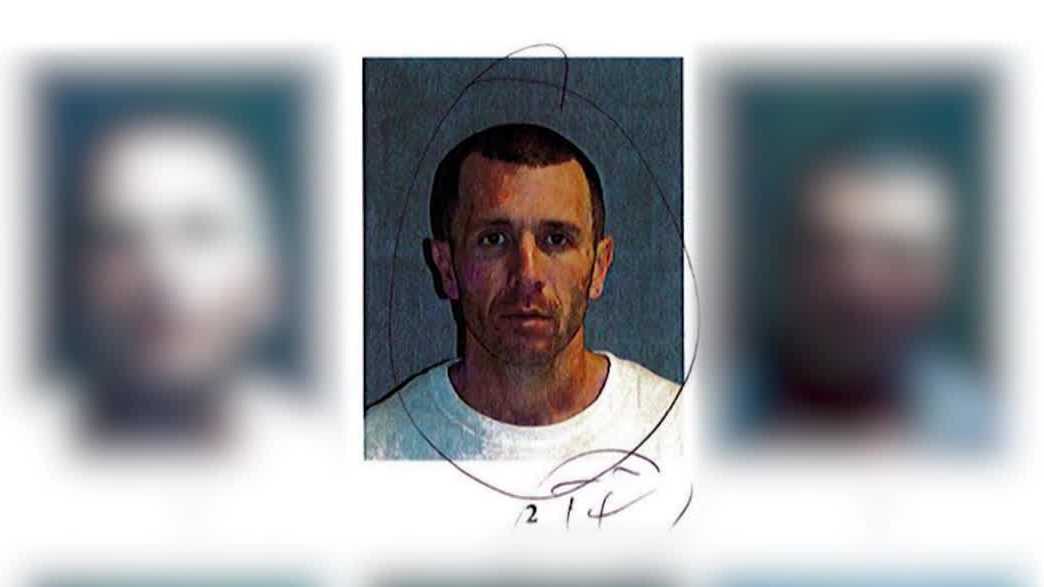
Before producing a photo lineup with a decade-old booking photo, Orlando police did not attempt to verify the whereabouts on the dates he was accused of racking up unpaid charges at two Universal Orlando Resort hotels.
Burgess’ timecards from a former employer confirmed he was working for a boat company nearly 70 miles away in Volusia County
“So, what police have to do in Detroit and what they should do in a place like Orlando is be required to undertake truly independent and reliable investigative steps to figure out if the technology is right or wrong,” Wessler said.
While Wessler warns nobody is safe from this type of AI technology, he said, “It remains true that facial recognition technology gets it wrong more often with darker-skinned people, people of color, as well as with younger people and with women.”
Wessler pointed out that some big cities like Boston, Minneapolis and San Francisco have banned police from using this technology because of potential errors.
“There are some serious protections that police should be putting in place, and without that, nobody should be using this,” Wessler said.