
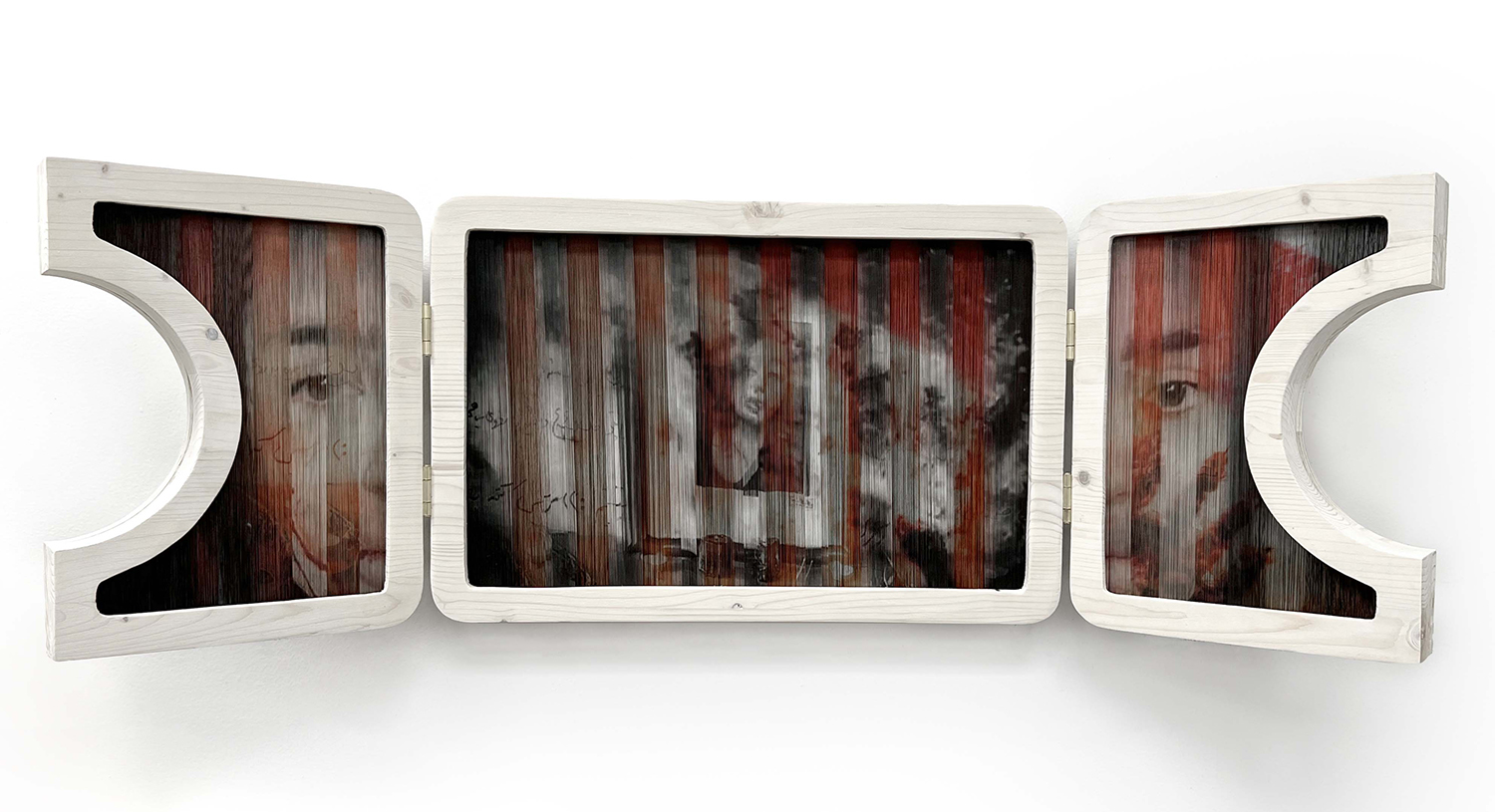
©Mona Bozorgi, Assistant Professor
Each installment of In Focus: The MFA Review highlights a different MFA program for photographic artists, offering readers a concise overview of its identity, curriculum, faculty, student experience, financial support, and post-graduation outcomes. It also serves as a showcase of the creative work produced by faculty, students, and alumni. Rather than functioning as rankings or endorsements, these features are intended as practical starting points—tools to help prospective students compare programs, identify what matters most to them, and make more informed decisions about their graduate education. While certain details shared in these articles may change over time, my hope is that these program snapshots offer a clear sense of what each represents in the present moment.
Thank you to Mona Bozorgi for completing this interview and compiling all the images/resources!
Institution name: Florida State University
Degree Title: MFA in Studio Art
Location: Tallahassee, FL
Link to Program Page: https://art.fsu.edu/programs/mfa-studio-art/
Link to Application Page: https://art.fsu.edu/apply/
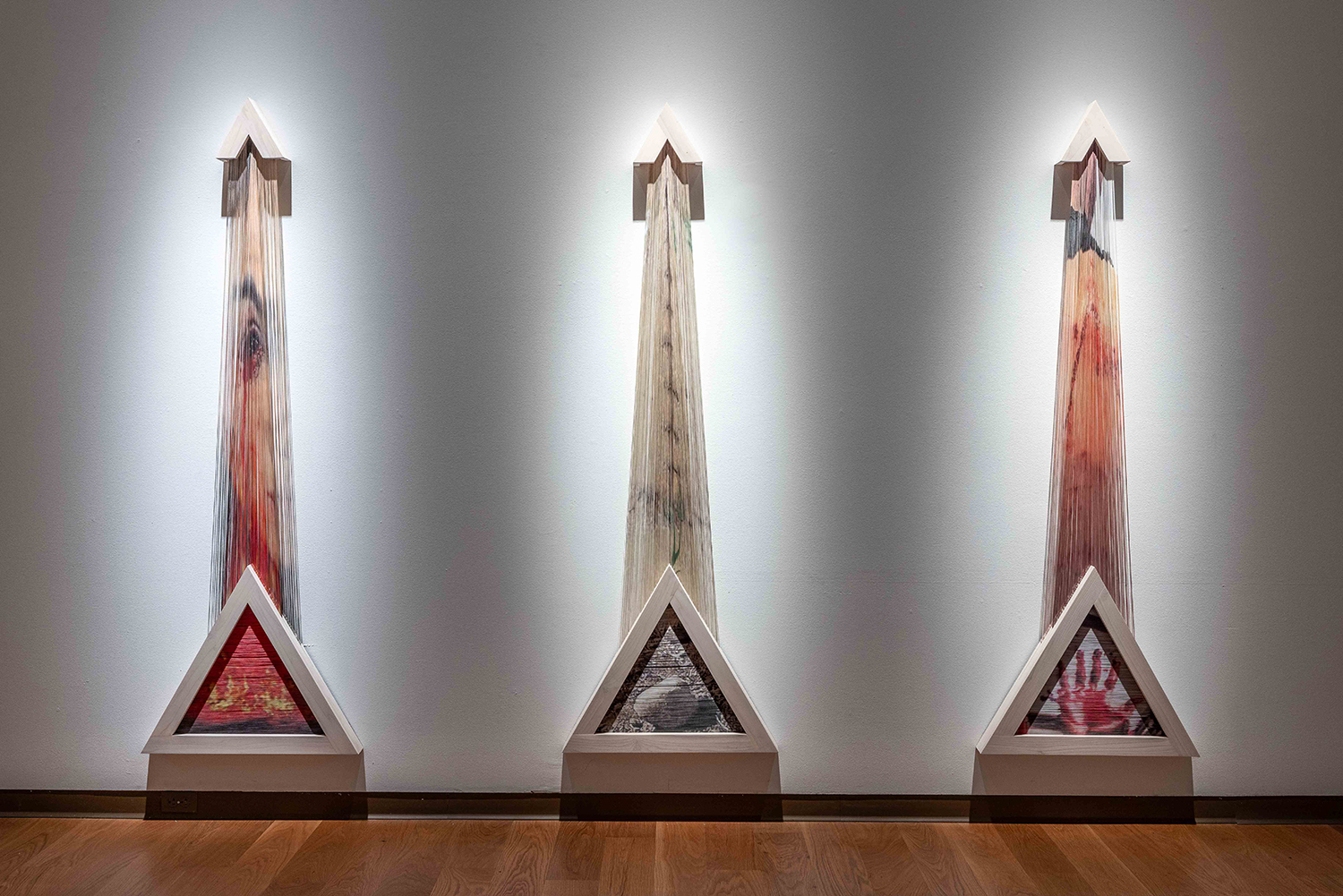
©Mona Bozorgi, Assistant Professor
Tell us a little about your program. How would you define its scope and purpose?
The Master of Fine Arts program at Florida State University is a three-year curriculum that explores a broad range of artistic disciplines, fosters a sense of open inquiry, introduces students to emerging theories and practices in contemporary art, and provides them with the knowledge and expertise to pursue a variety of opportunities. Our motto is “no media boundaries/no boundaries by media”. Students are encouraged to explore their ideas across and between disciplines, and thus applicants to the program are assessed on the basis of the depth and potential of their research, the quality of their artistic portfolio regardless of medium, and their personal and professional goals for their graduate studies.
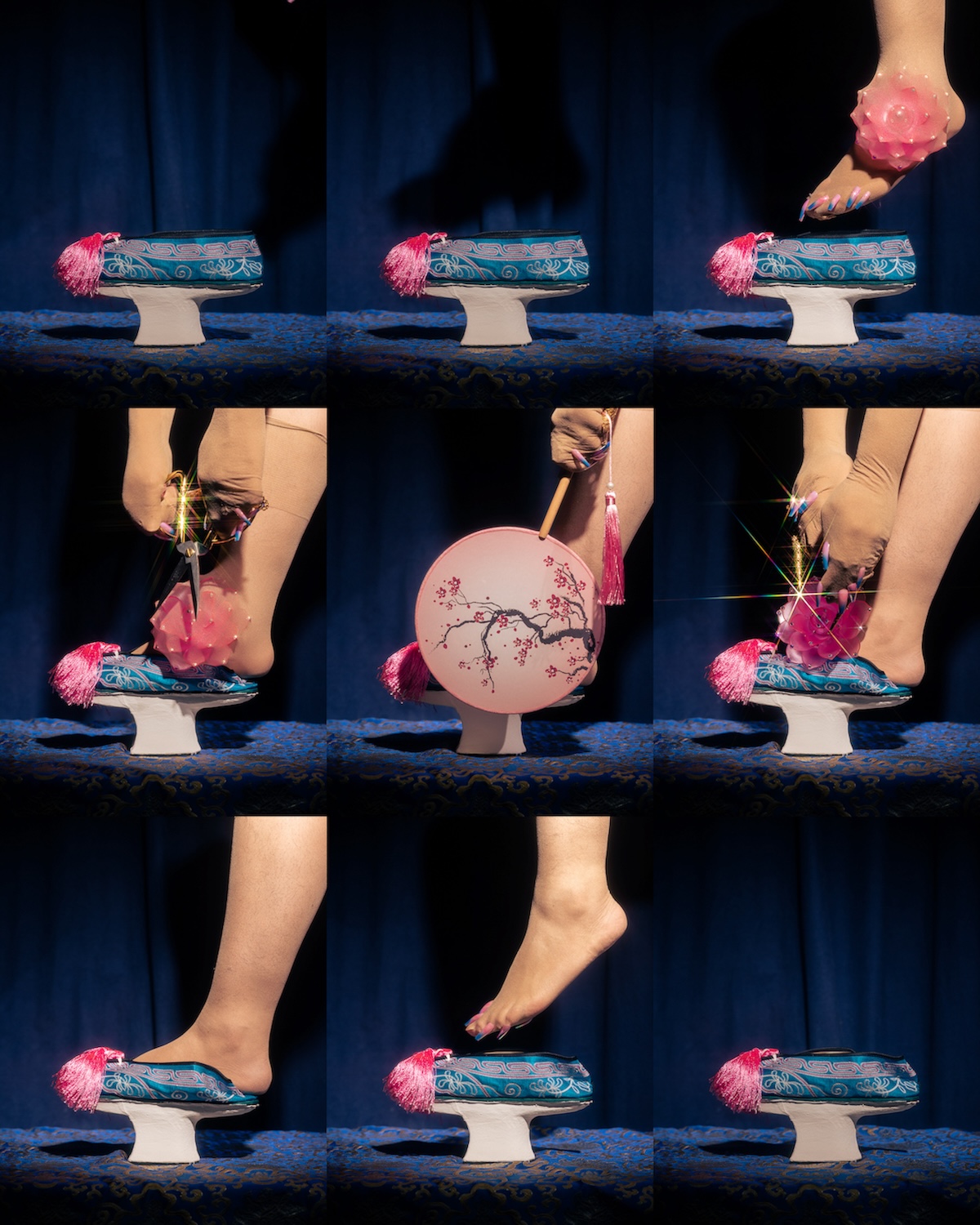
©Jamie Ho, Assistant Professor
What would you say makes your program special?
Our MFA program balances structured rigor with creative freedom. Students are exposed to diverse theories and practices and can learn from faculty from different areas through both courses and formal reviews before committing to a medium. Our diverse group of nationally and internationally recognized faculty supports students during their studies and provides them opportunities outside the classroom. Faculty consistently develop and offer new courses engaging with emerging themes and practices in contemporary art. The students in our program receive mentorship, training, and experience in teaching college-level courses, as well as in professional development and hands-on practices, from exhibiting to curating shows in dedicated student-run galleries. New MFA candidates would be joining a large and diverse cohort, each with dedicated studio spaces.
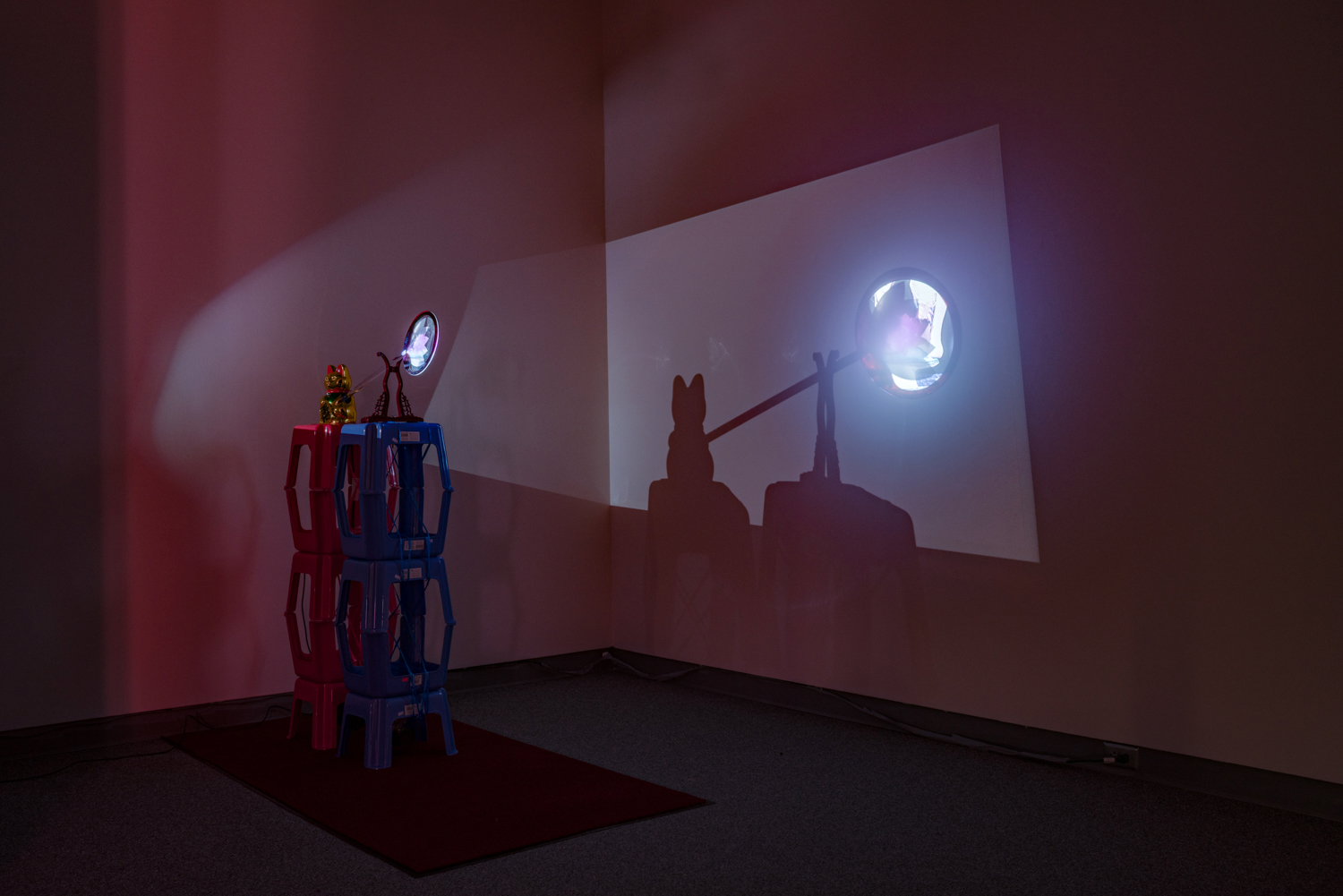
©Jamie Ho, Assistant Professor
What specialized facilities are available for student use (i.e. darkroom, lighting studio, print lab)?
In the Photography and Moving Image area, we are equipped with a photography lab, lighting studio, moving image and electronic media lab, darkroom, UV exposure room, large format printing service, and equipment checkout. Our darkroom facilities include 14 black-and-white enlargers, a UV exposure room, film development stations, and large-format analog cameras. Our photography lab includes 16 iMacs, Epson Inkjet Printers, Flatbed Scanners, and an Imacon Flextight X1 large-format drum scanner. We also offer a large-format inkjet printer with a variety of photo papers through our large-format printing service. Our Moving Image and Electronic Media Lab, newly updated, consists of 16 high-performance PCs dedicated to video art, interactive art, AI, and experimental animation projects. We also have a professional lighting studio, LightBox, as well as a video/projection space, BlackBox, for installations of student work. Students also curate exhibitions for the Working Method Contemporary (WMC), a graduate student-run gallery. Our department’s equipment checkout offers a variety of equipment, including SLR, DSLR, and mirrorless cameras, lighting equipment, virtual reality headsets, professional projectors, sound recording equipment, 4K professional camcorders, and more. In addition, the Digital Media Fabrication Lab is a space for digital and material experimentation that offers opportunities to explore beyond traditional media, allowing students to work with 3D printers, laser cutters, and more. Moreover, each area in the department has its own lab that is open to all graduate students. Complementing these facilities is the Small Craft Advisory Press (SCAP), an artists’ book press founded by Professor Denise Bookwalter. Prominent artists and scholars collaborate with SCAP to produce editions of artist books that challenge and expand the traditions of book arts. This unique artist-run press serves as a valuable resource for students interested in photography, printmaking, and book arts. Finally, the FSU Innovation Hub invites artists to work in their collaborative space outfitted with advanced equipment dedicated to digital fabrication and virtual environments.
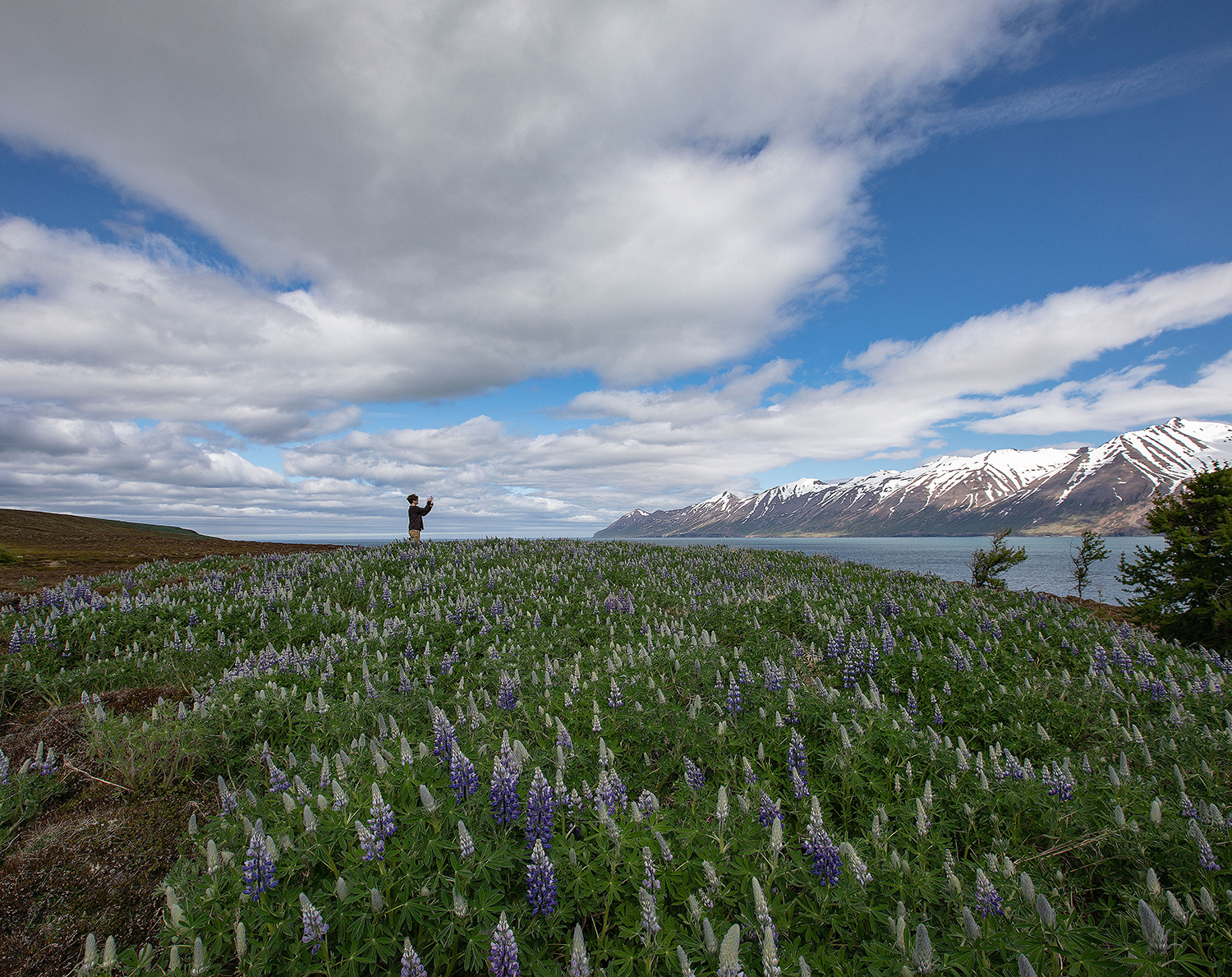
©Clint Sleeper, Associate Professor
Is your program strictly photography-focused, or does it encourage/allow interdisciplinary work?
Our program encourages interdisciplinary and media-fluid approaches. Students are not required to work in a specific medium upon arrival. Instead, they have the freedom to explore different areas, and if interested, conduct cross-media work.
Our photography area encourages experimentation with techniques that challenge and question the boundaries of the medium. Through an interdisciplinary framework, students engage with the foundations of analog and digital photography, explore the history of the medium and its social, cultural, and ethical impacts, experiment with alternative photographic processes, and study the most recent methods and developments in the field. The area is designed to foster innovation in image creation, preparing students to make meaningful contributions to the world of fine art photography.
©Clint Sleeper, Associate Professor
Do you specialize in a particular area (i.e. documentary, experimental, environmental work)? And once in the program, is a student able to shift their focus if their creative interests change?
We welcome students working across various genres and conceptual frameworks, but they must be willing to explore emerging methods in photography beyond traditional image-making techniques. We encourage them to study photographic theories and philosophies, explore photography beyond mere representation, and experiment with photography’s materiality, object-ness, and various methods for installing their works.
A change in a student’s creative interest is welcome. First-year students are encouraged to experiment with different media and techniques to discover innovative methods and refine their concepts. At the start of their second year, students choose their advisor and committee members from the pool of faculty in the art department. The committee members can be chosen from different areas, based on students’ research topics and faculty members’ expertise. This approach enables students to engage with faculty based on both concept and medium.
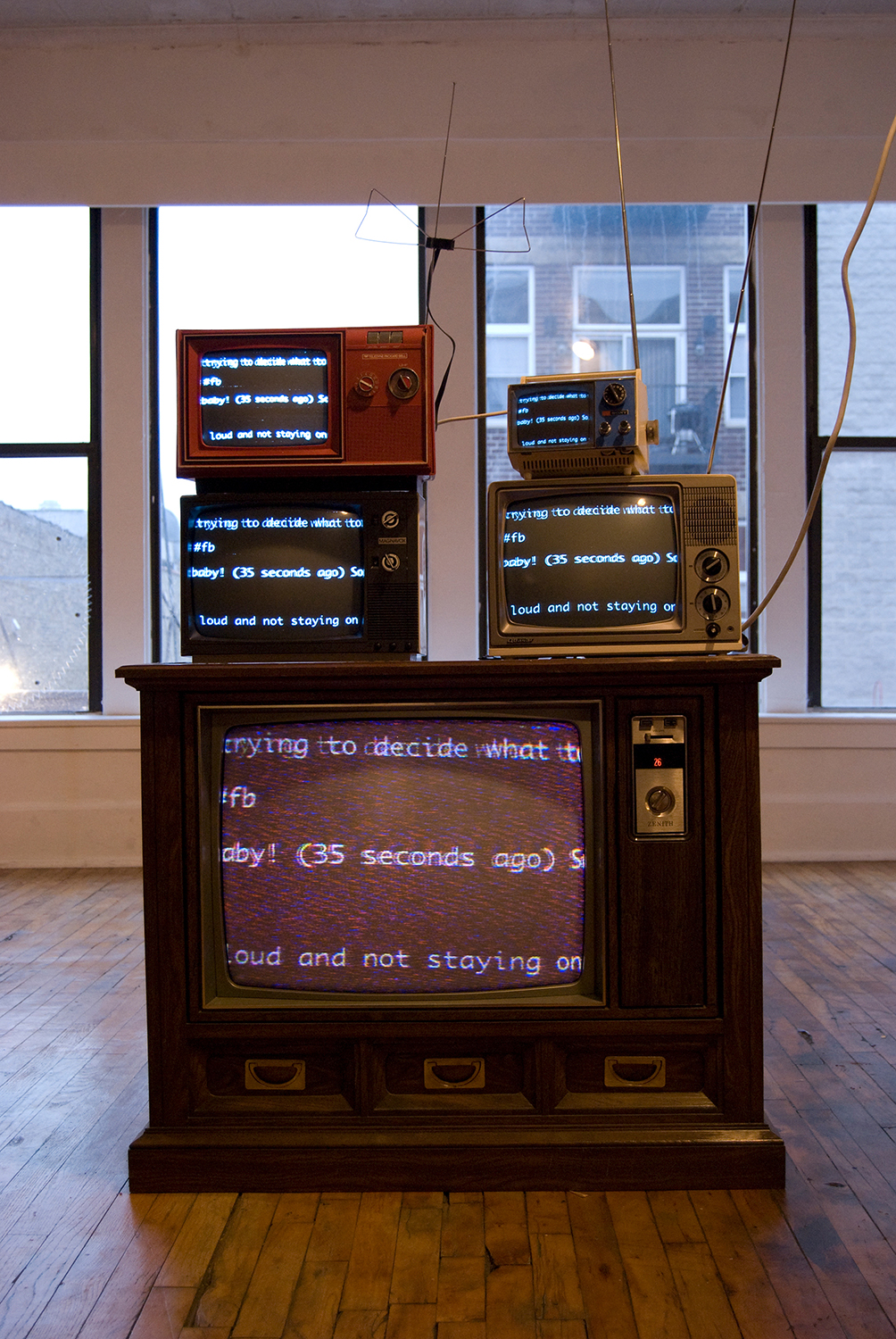
©Rob Duarte, Associate Professor
How structured is the curriculum? Are there required courses, or is it more self-directed?
Our curriculum balances freedom of choice in studio courses with a clear roadmap through the three-year program, which includes seminars covering historical and theoretical frameworks, media critiques, and electives, including art history, art education, and other courses offered in the College of Fine Arts.
Does the program incorporate video work or emerging media such as AI, VR/AR, or 3D/360 imaging?
Yes. In addition to video work, some of our faculty’s research involves AI and VR. We offer classes such as Interactive Art, AI in the studio, Virtual Environments, and Experimental Animation. All of these courses allow students to explore how photographs, animation, video, coded forms, and hybrid media enable deeper conceptual investigation. These classes allow students to discover new forms of expression while learning about media history, recent critical theory, and the role of each medium in contemporary art practices.
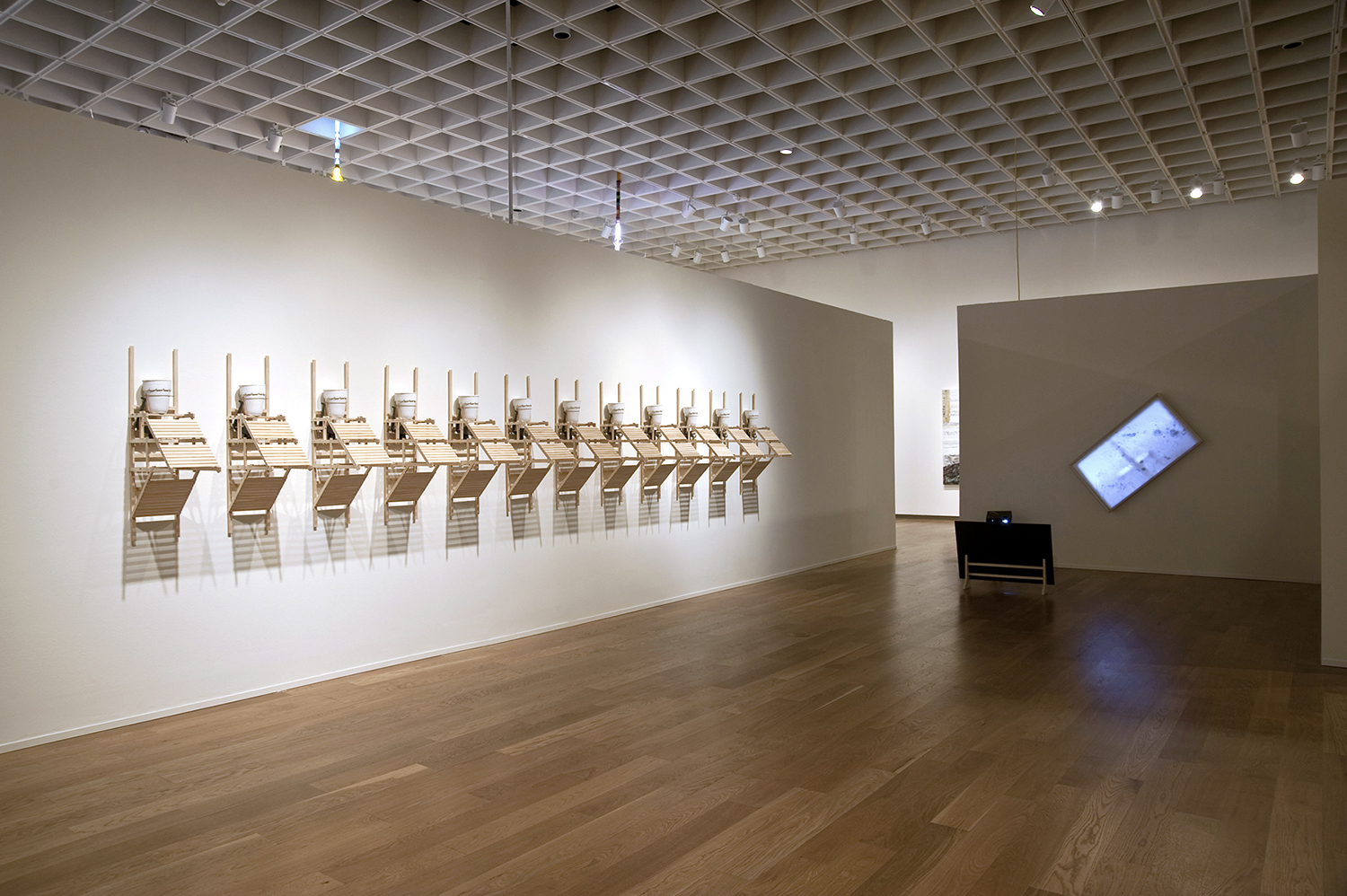
©Rob Duarte, Associate Professor
Does the program offer career development support, such as portfolio reviews, workshop/conference attendance, or networking opportunities?
We are an R-1 institution, and students receive various forms of support for their research and creative activities from the university throughout their studies at FSU. In addition, the areas offer various workshops throughout the semester, such as the lighting studio and textile workshops, to familiarize students with the department’s labs and facilities. The program also includes formal reviews for graduate students each semester, during which they present their work in a professional setting and receive verbal and written feedback from a panel of faculty members. Additionally, the department’s visiting artist/scholar program provides our graduate students with opportunities to have one-on-one studio visits with nationally and internationally recognized visiting artists and scholars. Also, the department works closely with the Museum of Fine Arts (MoFA) at FSU, providing students with opportunities to work in the museum and be part of MoFA’s team, preparing for exhibitions, artist talks, and intensive educational programming. Students are encouraged to apply for on- and off-campus conferences and presentations, and grants are available for student participation in off-campus conferences. One of the key parts of our program is our annual trip to art hubs in the Southeast region in December, for which the department covers travel and lodging costs for our graduate students. In previous years, we have visited Art Basel/Miami Beach and Prospect in New Orleans, trips that have included organized studio visits, private meetings with curators, and educational opportunities.
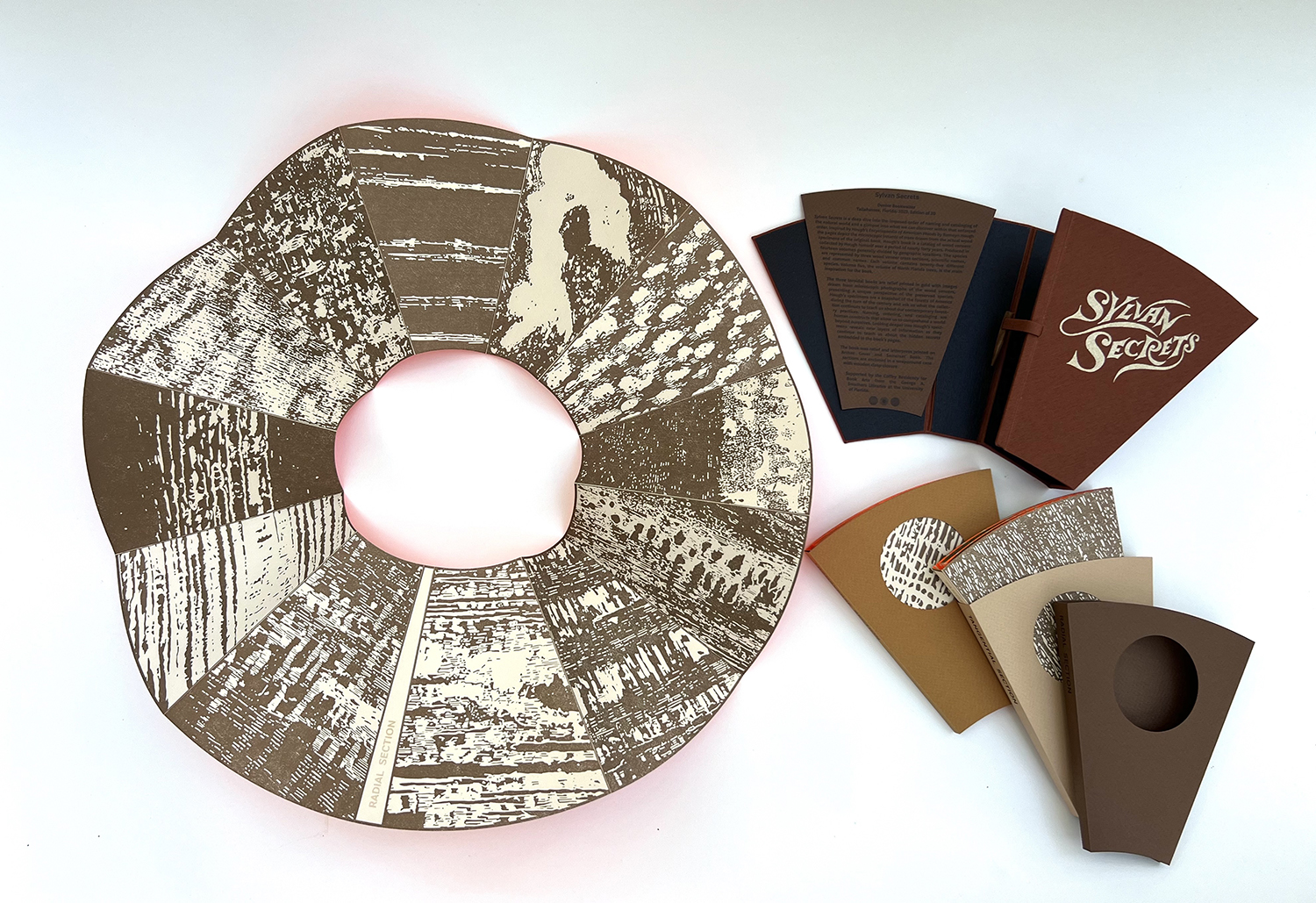
©Denise Bookwalter, Professor
What are key graduation requirements (exhibition, thesis paper, portfolio, etc.)?
The key graduation requirements include the studio research paper, the graduating exhibition at MoFA, and a public oral presentation open to family, friends, and the public.
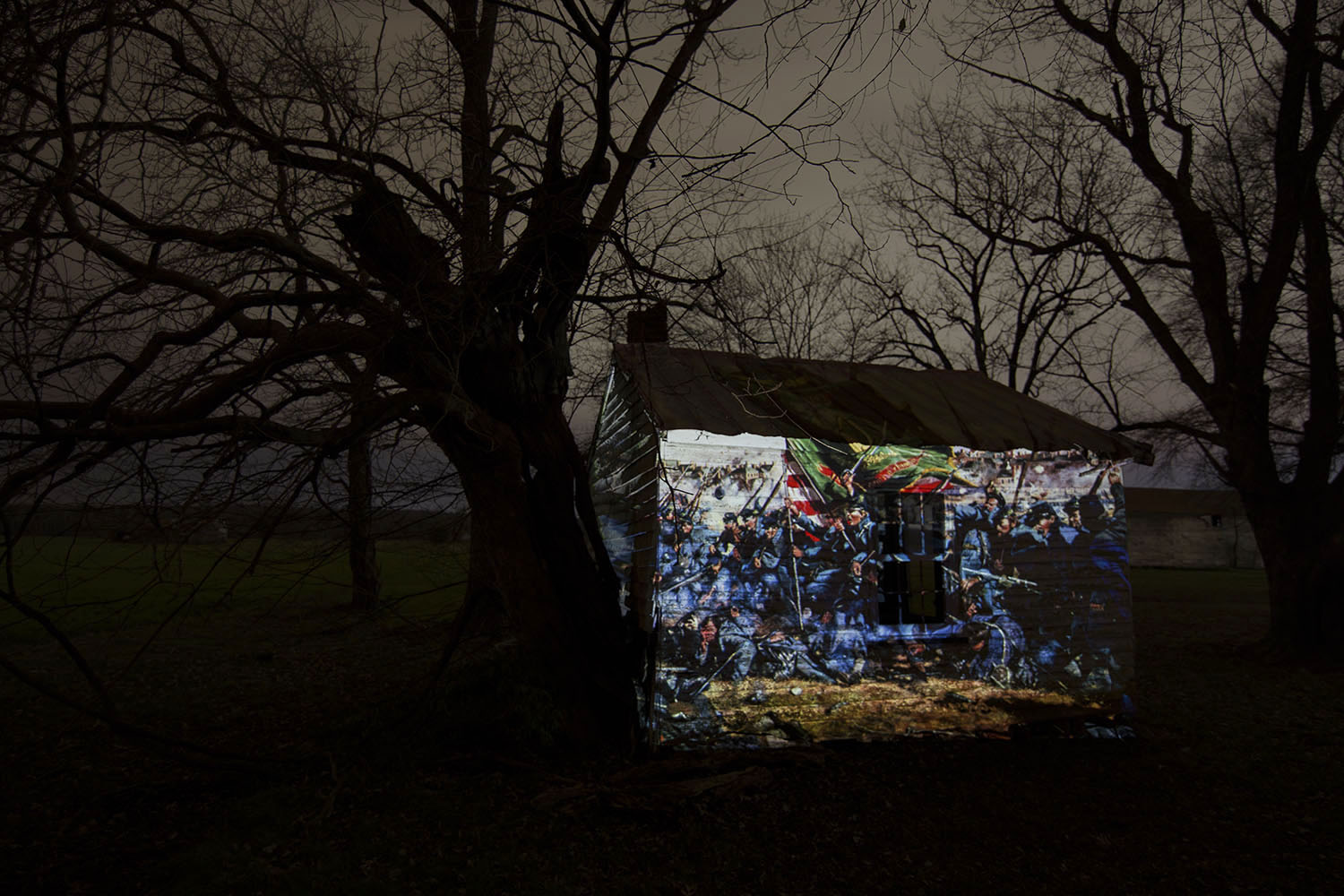
©Jeff Beekman, AssociateProfessor
Who are your current faculty members? What are their areas of creative interest?
We have twenty-three full-time faculty members in the department. In the Photo and Moving Image area, we have four specialized faculty members whose research and creative work include photography, video, AI, and electronic media. The research conducted by our faculty demonstrates a commitment to expanding the boundaries of the medium and exploring various techniques of image-making to explore what contemporary photography can be. My work, for example, blends textiles, photography, sculpture, and installation to explore a multisensory and speculative approach to creating photographs, experiencing them not only as representations but as reciprocal encounters or co-responses. Through my work and its process, I investigate how I am affected by a photograph and how I, in turn, affect the photograph. Professor Jamie Ho’s practice engages with GIFs, photography, and installation to investigate the long-term impact of assimilation and cultural bereavement through references to ancestral Chinese traditions and artifacts. Professor Clint Sleeper is interested in experimenting with old and emerging technologies. His work, Is Every Republic Constructed on Flat Earth?, (image 06), is a series of stills assembled from Python code, captured by a solar computer watching the sky. According to Professor Sleeper, the work, “conceived as a micro-short, small-file for rapid online exchange and screening, low-resolution still images of the sky are captured and sequenced every minute for the life cycle of a single solar-charged battery. The resulting film is accompanied by a software-generated sine wave vibrating at 126.2Hz, in harmony with the sun.”
Are faculty members primarily full-time or adjunct?
The department is made up primarily of full-time, tenured, or tenure-track faculty.
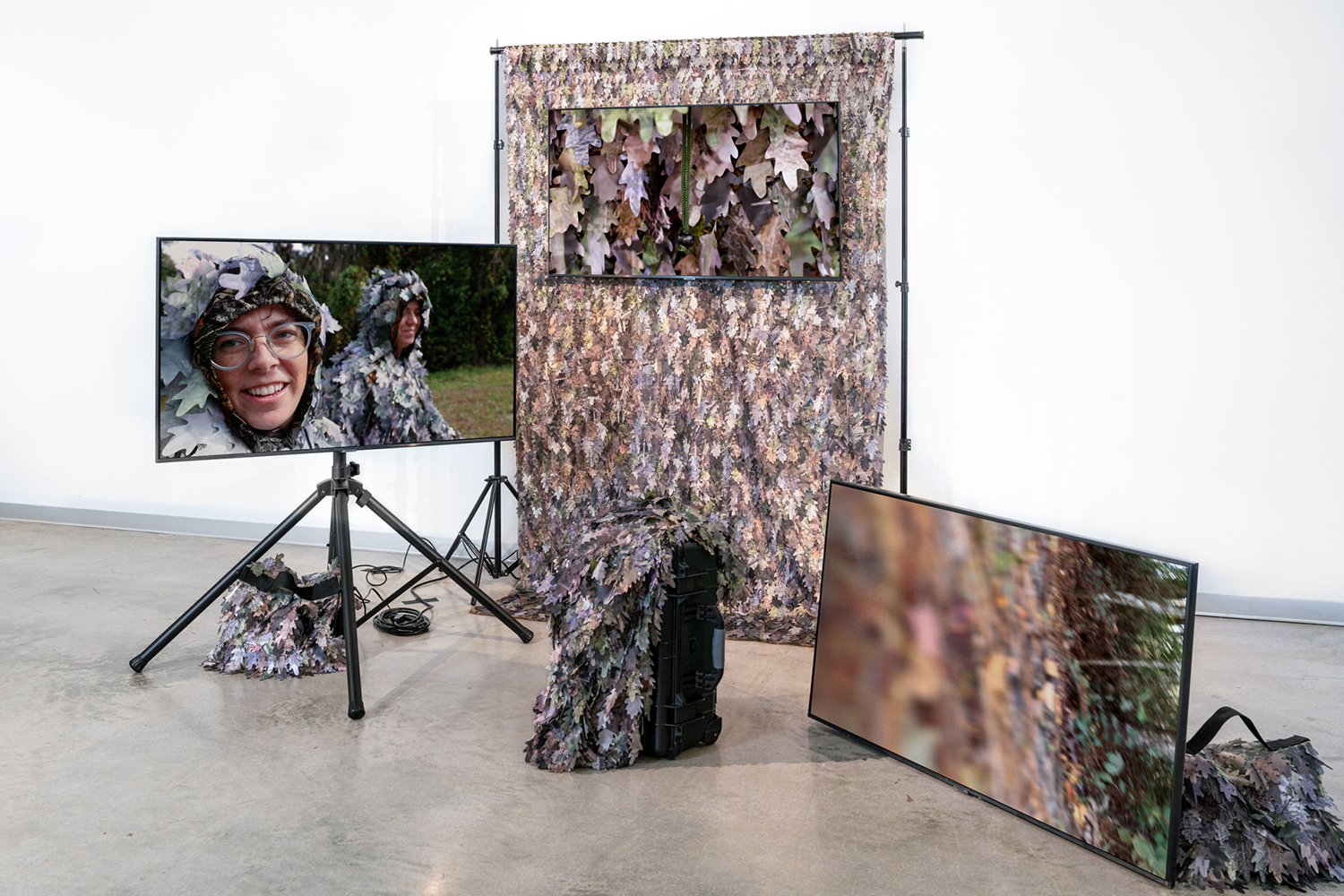
©Katie Hargrave and Meredith Lynn, Meredith Lynn, Associate Professor
How involved are faculty in mentoring students beyond coursework?
There are a few levels of one-on-one mentorship. Upon arrival, students are assigned a faculty mentor who provides academic/professional advice and support during the first year. At the start of the second year, students choose their advisor, who works closely with them, overseeing their progress, critiquing their work, preparing them for their final exhibition/paper, and providing career advice. Also, students interested in teaching work closely with a mentor who guides them in both preparation and execution of teaching college-level, media-specific courses.
How often do guest artists, curators, or critics visit for lectures and/or critiques?
Each semester, the Department of Art’s Visiting Artist Program and MoFA invite prominent artists and scholars to Tallahassee. Students have the chance to engage with artists from various disciplines and backgrounds, often including a one-on-one studio visit. Interactions and talks with professionals help students build valuable connections and may make visible a new path into the art world.
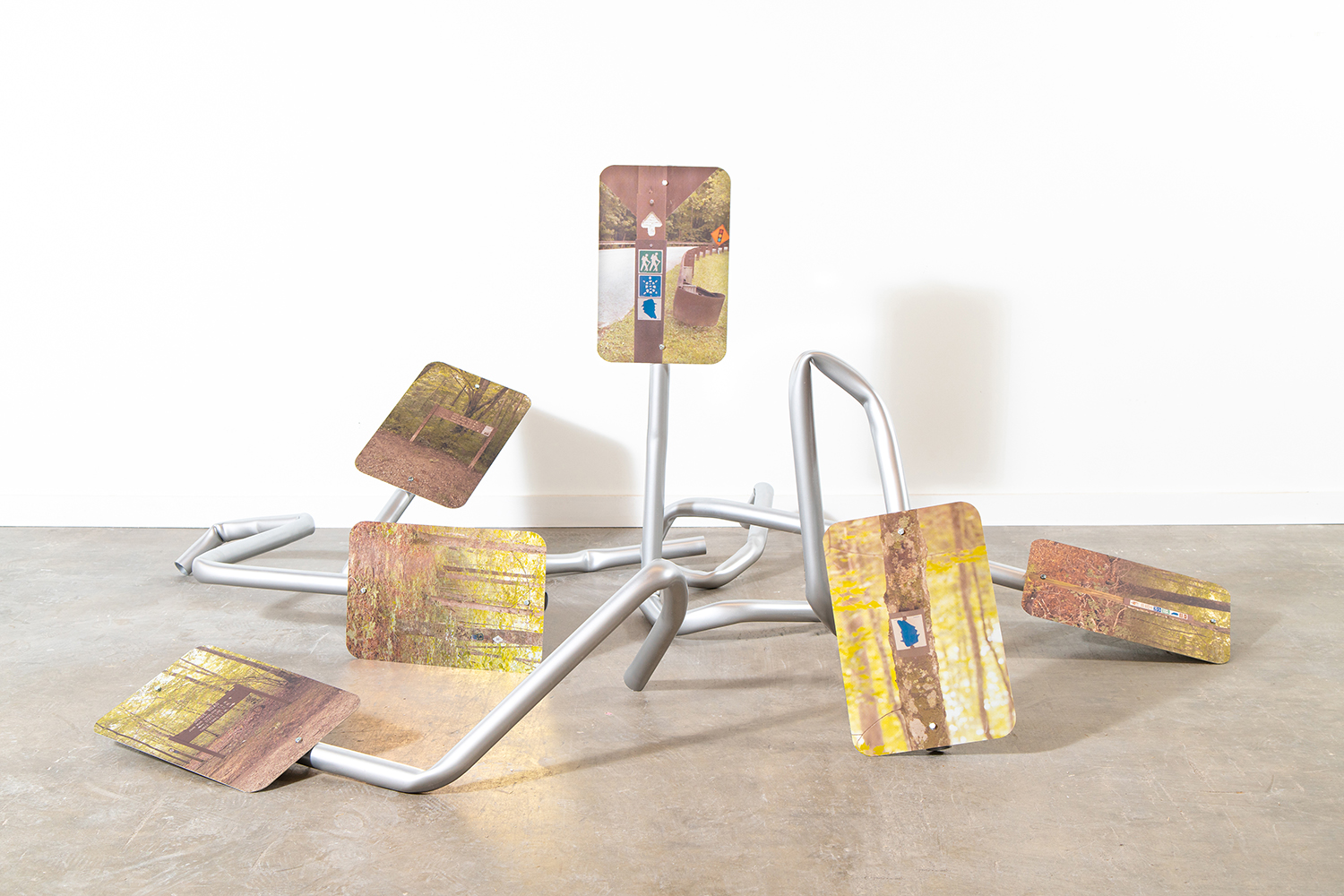
©Katie Hargrave and Meredith Lynn, Meredith Lynn, Associate Professor
How many students are admitted each year, and how many are photography-focused?
Each year, about a dozen students are admitted into the MFA program. Since admission is based on portfolio strength rather than media specialization, the number of photography-focused students can vary. Over the last few years, we have typically admitted 1-3 lens-based students annually.
What is the approximate cohort size, and what effect does this have on critiques, collaboration, and networking?
Currently, we have 34 MFA students in the program. The substantial size of the program, combined with the support offered through the school and 24-hour access to studio spaces, results in a highly dynamic, creative, and collaborative environment for the grad students. Installation spaces are filled with exciting graduate work, and grad-curated exhibitions in the dedicated galleries are always in the works. Classes such as All-Media Critiques bring students from different areas together to cross-pollinate ideas and expose one another to techniques that offer novel solutions to various creative problems. Connections between students go beyond the classroom and persist beyond graduation.
What kind of work are current students creating?
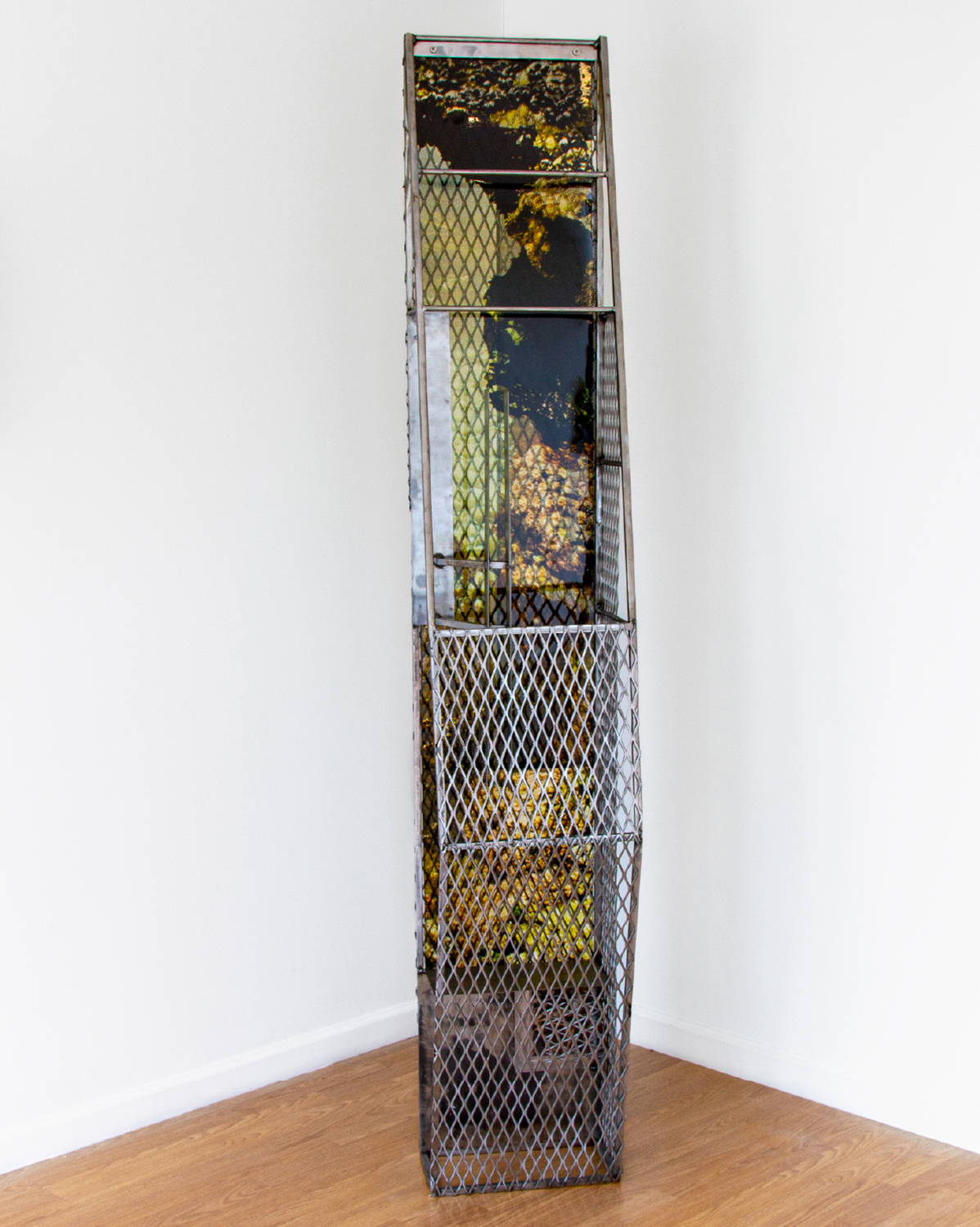
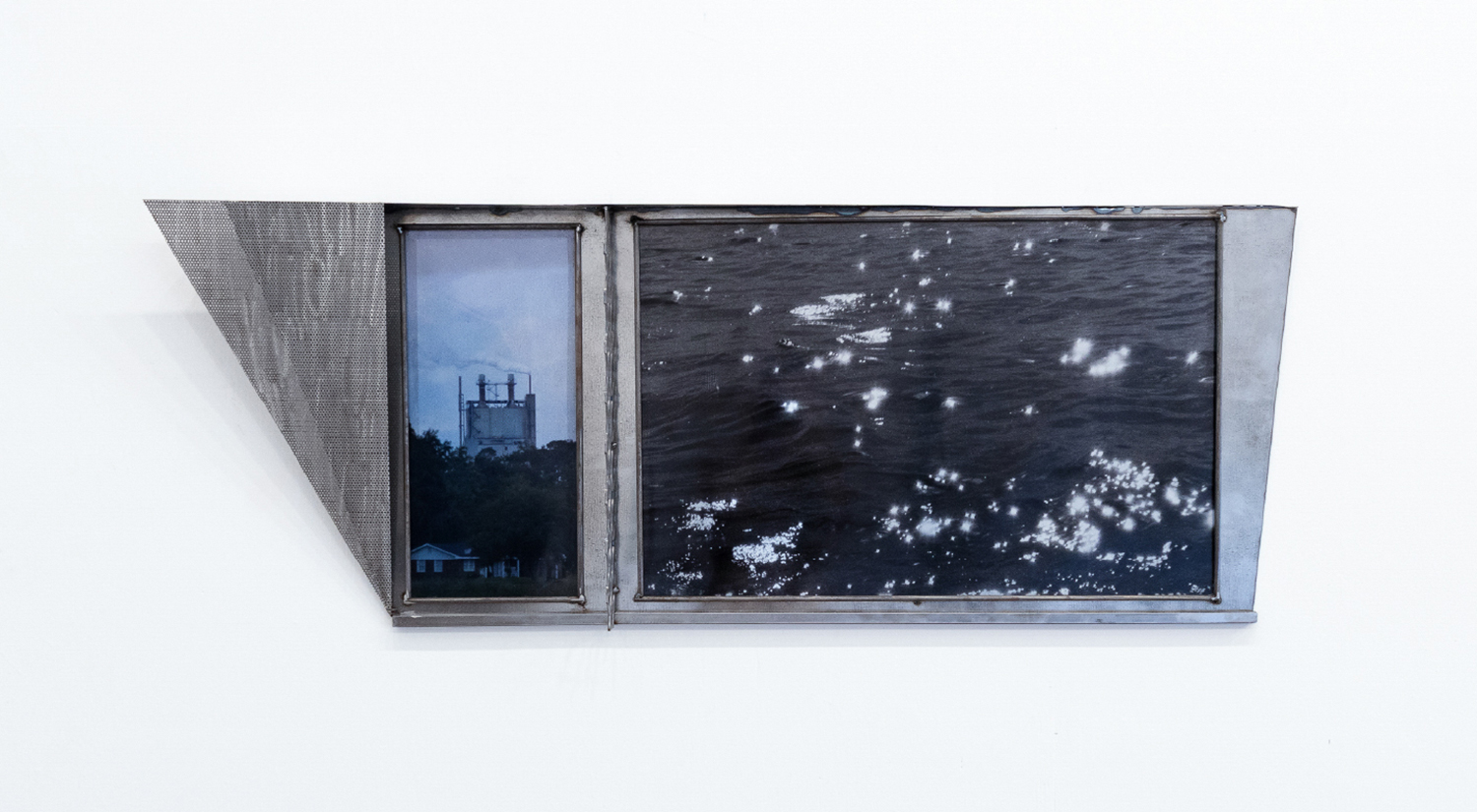
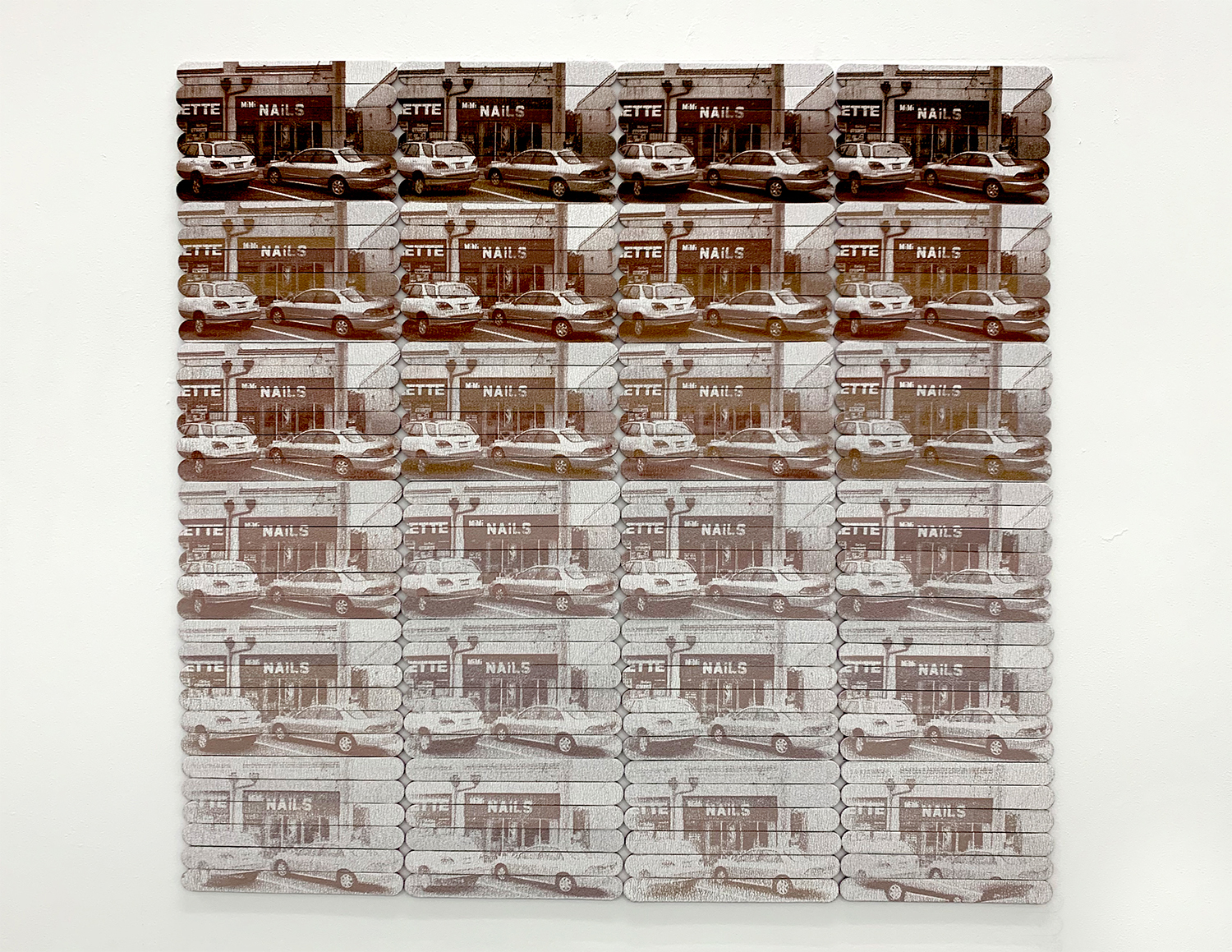
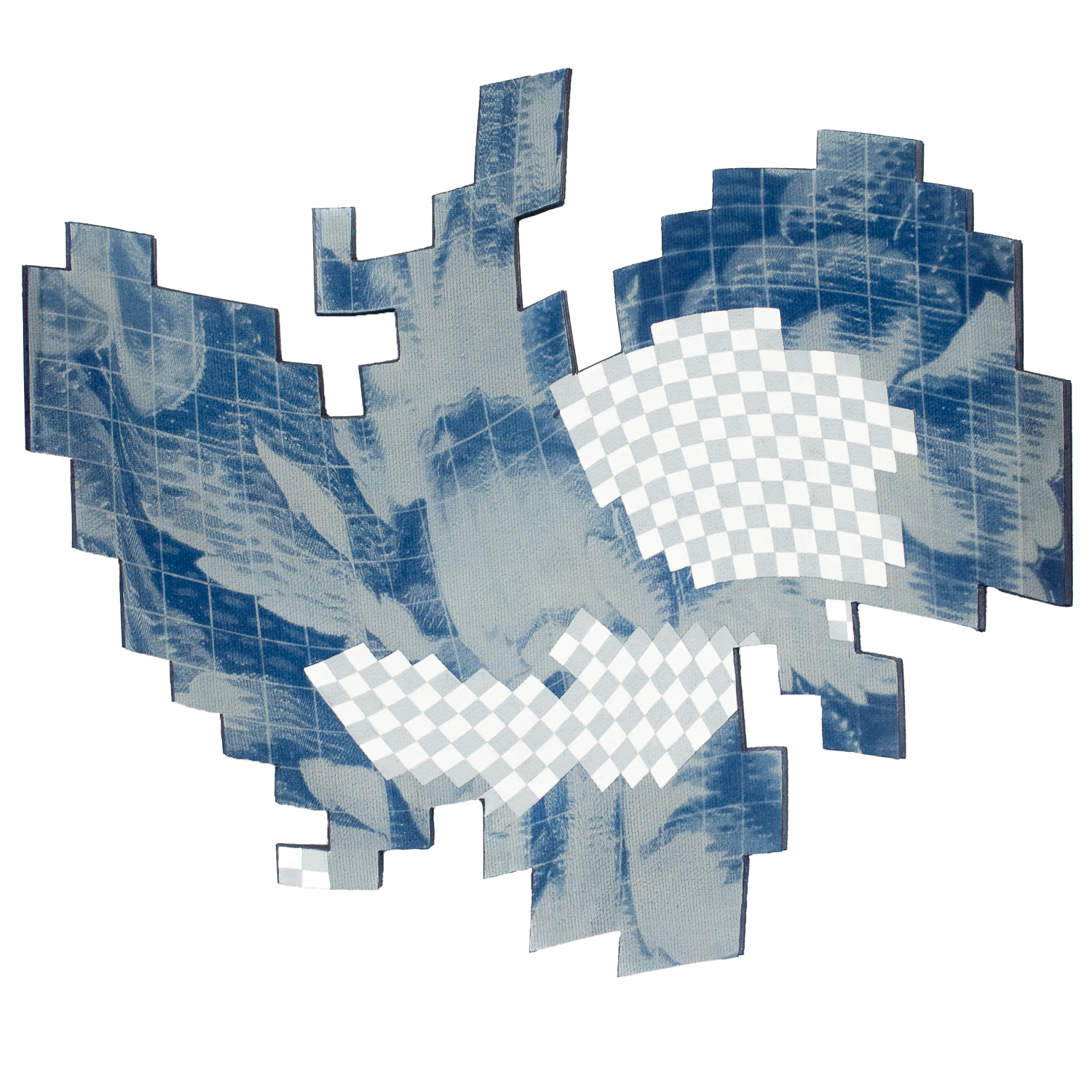
The students in the Photo and Moving Image area push the boundaries of the medium, utilizing both analog and digital techniques, various research methods, and archival materials. Students are exploring a wide range of research topics, including issues concerning the environment, identity, and social and technological challenges we face as a society.
©Alex Adkinson, Alum
What is the total cost of the program (and duration), and what funding options are available?
The total cost of the program over three years of residence varies depending on whether students are in-state, out-of-state, or international. All of our graduate students are eligible to be considered for full tuition waivers. In addition, fellowships, scholarships, and various awards are available to students, providing additional support and valuable experiences.
Are there teaching assistantships, and what percentage of tuition do they cover?
Graduate teaching and technical assistantships are available to all admitted students, depending on their interests, expertise, and the department’s and area’s needs. These stipends require students to work 10 hours per week during the academic year.
Are additional grants/resources available to support student projects?
FSU offers various fellowships and awards through the department, the college, the Graduate School, and the university, with awards of up to $30,000. The FSU Art Department offers several recruitment fellowships to incoming graduate students, including the Bivens-Harrison Scholarship, Jim Boone in Art Scholarship, and Graduate Fellowships in the Arts, which provide between $2,500 and $5,000 annually for up to three years in addition to the regular stipends and tuition remission. Specialized opportunities, such as the MoFA Award and the Specialty Tech Award, provide additional funding and assistantship hours for students with interests in museum operations or technical skills. Moreover, the department’s travel and artist residency awards provide additional support for graduate students.
©Alex Adkinson, Alum
What types of careers do alumni pursue, and how does the program support students after graduation?
We have many graduates who have gone on to successful careers as practicing artists, curators, arts administrators, and teachers or professors. Many of us stay connected with the students, and I always tell my students after graduation that while classes are over, the support is not. Continued mentorship beyond graduation is critical to an individual’s success. I endeavor to reach out to former students with professional opportunities and to support them as they navigate their unique path after graduation.
How connected is the alumni network, and do graduates stay involved with the program?
We maintain a robust alumni network and engage graduates through programs at the university, college, and departmental levels, as well as through faculty-led engagement. Alumni are invited to give artist talks and share career advice with both undergrad and graduate students. At the college level, this takes the form of a web series called “Three Torches” that features conversational-style interviews, in which alumni share the unique experiences they gained at FSU that helped them succeed in their professional endeavors.
©Mimi Tran, Alum
©Katie Grinell, Alum
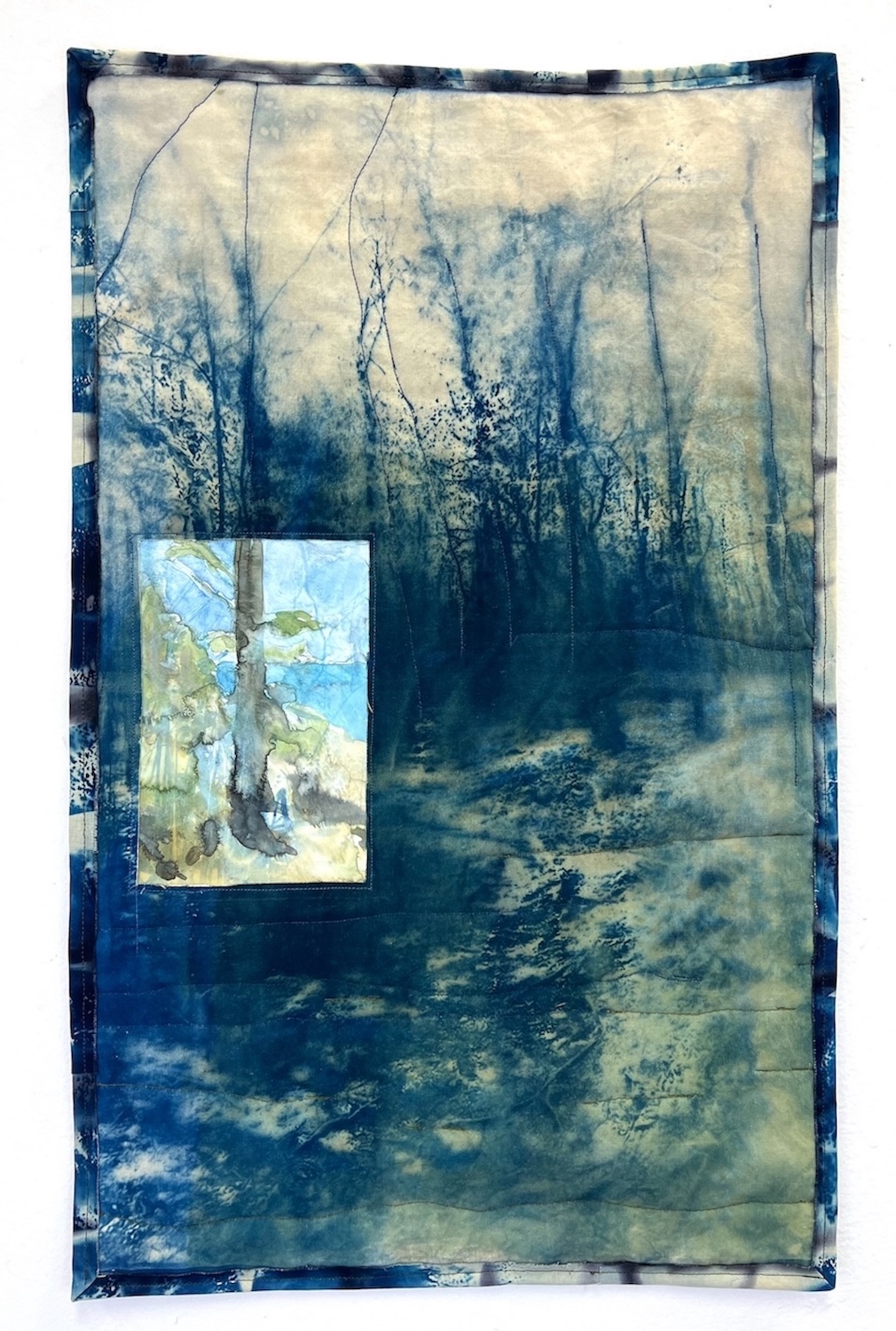
©Chloe Sailor, Alum
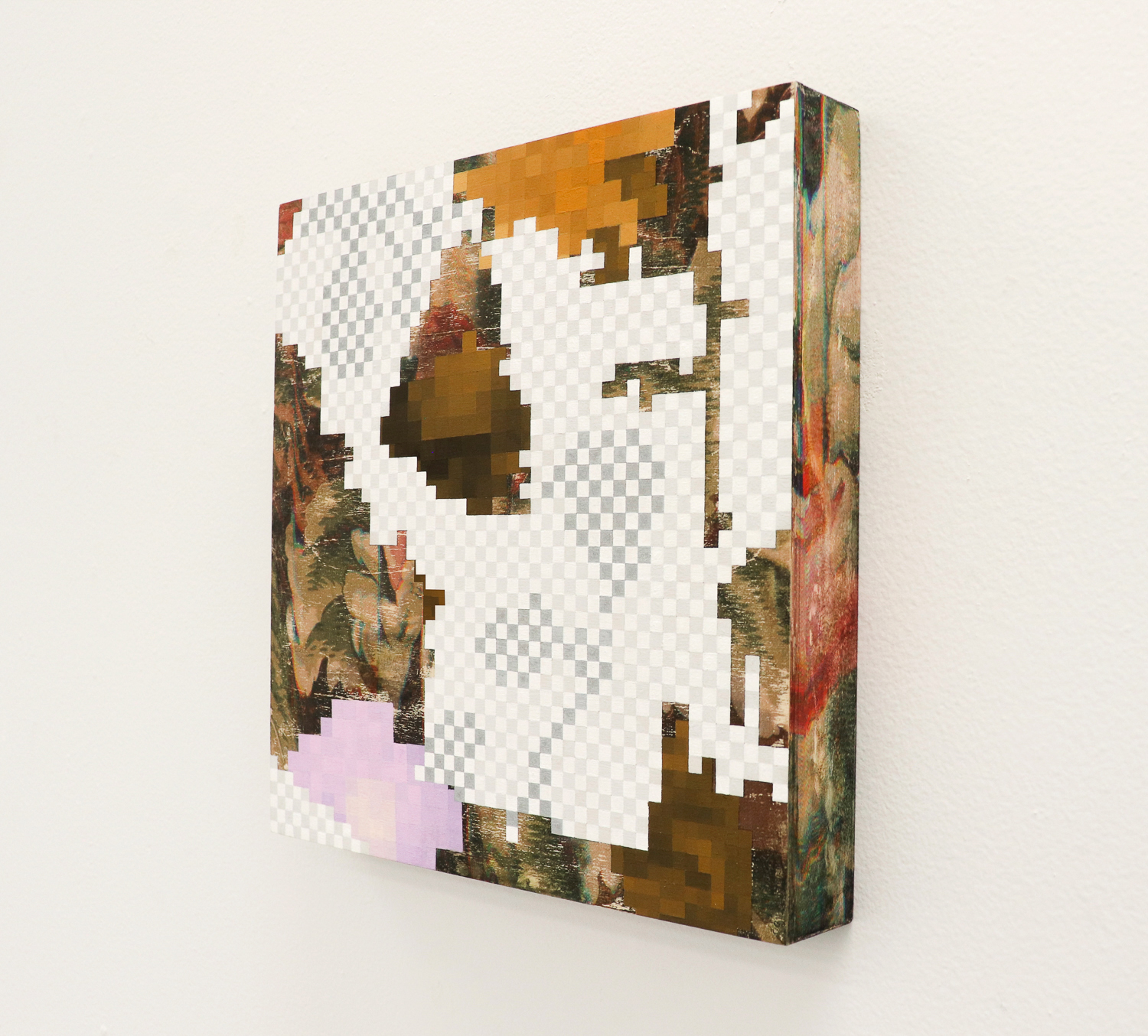
©Katie Grinell, Alum
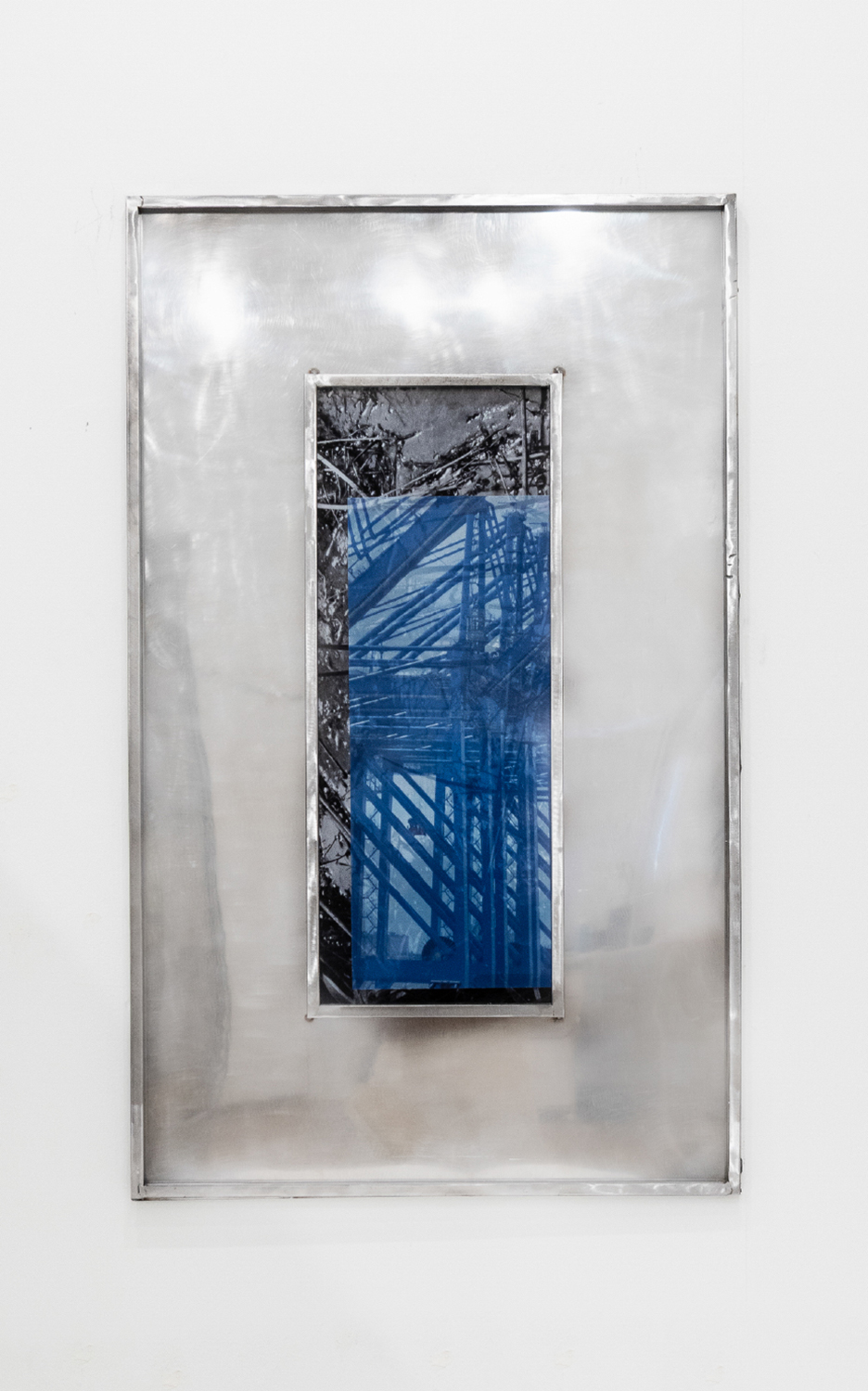
©Alex Adkinson, Alum
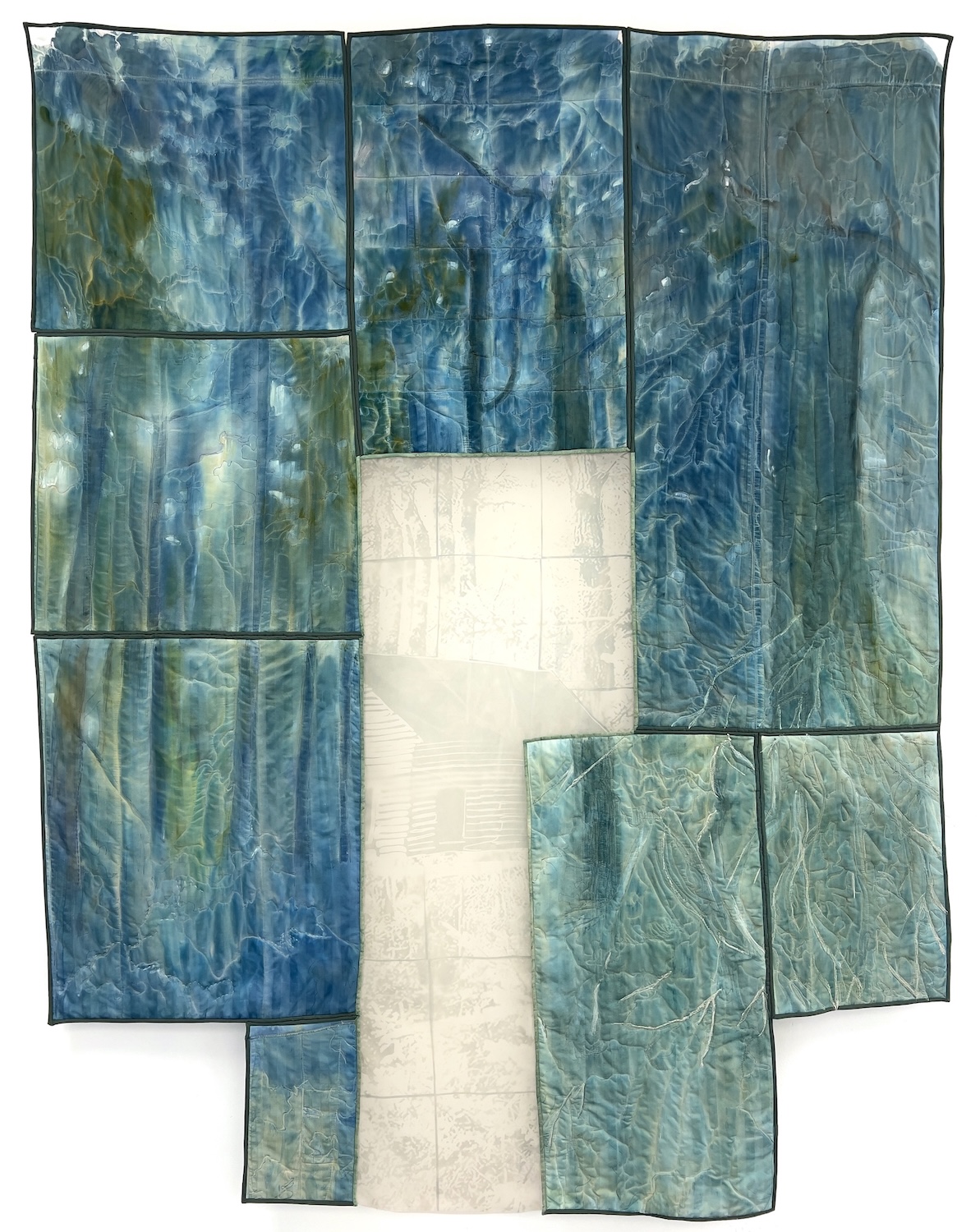
©Chloe Sailor, Alum
Posts on Lenscratch may not be reproduced without the permission of the Lenscratch staff and the photographer.