
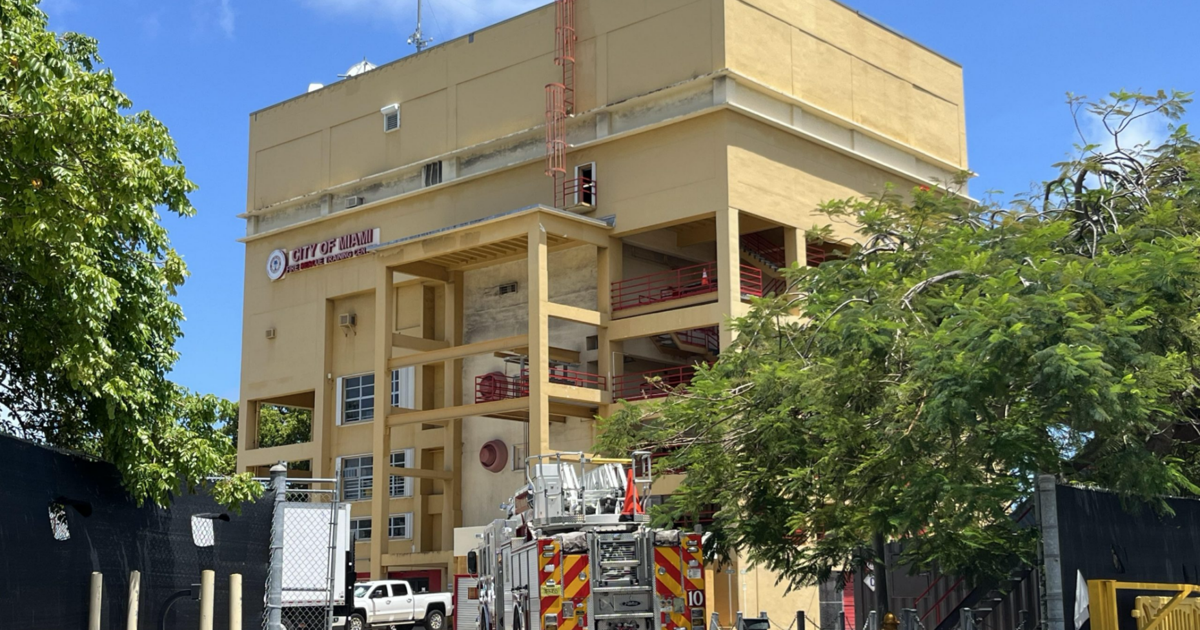
Coconut Grove families who lived for years in the shadow of Old Smokey are one step closer to winning compensation for any harm to their health or property caused by the trash incinerator’s toxic smoke and ash.
Miami-Dade Circuit Court Judge Spencer Eig ruled last month that a lawsuit brought by current and former residents against the City of Miami can move forward as a class action. The ruling, delivered March 20, capped five days of public testimony in the case.
“The Court finds the plaintiffs have sustained their burden of proof,” Eig said. The decision means affected residents can pursue their claims in a single lawsuit, rather than through individual lawsuits.

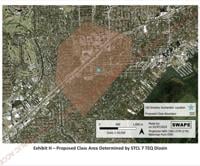
The proposed class area for the “Old Smokey” lawsuit would extend across the West Grove and east of U.S. 1 into Coral Gables.
(Map by Paul Rosenfeld)
The ruling represents a milestone in a case that has stretched on for more than eight years, but it does not spell victory. Instead, it opens up the 2017 lawsuit, which currently includes just over 800 plaintiffs, to thousands of other potential victims.
“The significance of this decision is a couple of things,” Carolyn Donaldson told residents last week at a community meeting. As a child, Donaldson lived a block from the incinerator site at 3425 Jefferson St.
“It validates that the case involves a community-wide impact, and that’s major, because a lot of individuals may not have pursued (a claim) themselves, on an individual basis, but by going in as a class, it offers a level of protection for everyone,” Donaldson said.
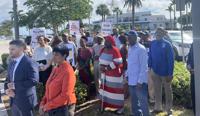
A group of residents protested outside City Hall in 2024, demanding the city take responsibility for the health and environmental effects of a former West Grove trash incinerator.
(David Villano for the Spotlight)
“It also allows residents to pursue claims together and so, what I think you’ll find historically is, you’re stronger united and together,” she added.
Donaldson and others say that for decades they were exposed to toxic substances left behind when the incinerator ash settled into the soil. The incinerator operated for nearly 50 years, from 1926 to 1970.
Plaintiffs in the case are seeking compensation for the long-term effects of that contamination – any harm to their health, or any loss in property value. Residents are also seeking medical monitoring for those who were exposed.
The judge certified three classes to cover those claims – one for bodily injury, one for property damage, and a third for medical monitoring.
“Some of the monitoring will recognize both the past harm that individuals have been subjected to, and also look at future health concerns,” Donaldson told residents.
“I mention this to us collectively because myself, personally, I have buried my whole family, for very similar illnesses,” she said, including lung diseases, heart conditions and cancer.
“We just didn’t know what the problem was, or what the issue was. My dad, a healthy Marine, dropped dead when I was 11 years old. So now, you have a reason to go back, and look at what some of these potential remedies could be for the exposure.”
Donaldson said the class action lawsuit will bring accountability as well.
“We know who built the incinerator. We know who managed it for 50 years. And we also know who is fighting us in court, to say we don’t have a valid claim,” she said.
As lawyers in the case await the judge’s written decision – Eig made his ruling from the bench – residents are already looking ahead.
The City of Miami, which has appealed earlier rulings by Eig in the case, is expected to appeal the judge’s decision to certify the lawsuit as a class action. The City of Miami did not respond to a request for comment from the Spotlight.
“We’ll wait to see what happens there,” Donaldson said.
“But what we want to do… is actually put together a community-wide session so that individuals have an opportunity to ask questions, get some responses to your situation, if you have not already signed on to the class action, what next steps would be in place for you,” she said. “And we want to do that with our attorneys attending that meeting, so they can answer all of those questions for you.”
Those attorneys include Jason Clark of the Downs Law Group, who said he is eager to move forward with the case, on behalf of residents.
“ Every day that there’s a delay, the families still remain in the dark about whether their properties are contaminated,” Clark said. “The sooner we can address that, the sooner we can make everything right for these people.”
The area of concern extends up to a mile from the site of the former incinerator – an area that includes 2,200 properties in the City of Miami and Coral Gables.
Current and former residents within this area may be eligible for inclusion in one or more of the classes. The first class – for property owners – seeks compensation for soil testing and remediation, and damages if contamination is confirmed.
The second class – for medical monitoring – will be open to anyone judged to have an increased risk of cancer based on their level of exposure, Clark said. The third class will be open to anyone with an existing health condition that can be linked to Old Smokey.
Now that the three classes have been established, Clark said he will seek to settle the case with the City of Miami without going to trial – an approach that could result in a quicker resolution for affected residents.
Community leaders welcomed the ruling for just that reason.
“These folks have been waiting so long,” said Reynold Martin, chairman of GRACE (Grove Rights and Community Equity). “We’re closer than we were two weeks ago when these hearings started. We’re closer.”
This story was produced by the Coconut Grove Spotlight, a nonprofit newsroom covering Coconut Grove and Miami City Hall, as part of a content sharing partnership with The Miami Times. Read more at coconutgrovespotlight.com.