
By state Sen. Ileana Garcia, R-Miami
Gov. Ron DeSantis recently signed into law Senate Bill 302, landmark legislation that establishes a statewide framework to advance nature-based solutions for coastal resilience. I have proudly sponsored this legislation since 2022, and its passage in 2026 reflects years of collaboration with advocates, scientists and community leaders committed to protecting our coastlines.
In a state with more than 1,300 miles of coastline, resilience is not an option; it is essential. South Florida is on the front lines of sea-level rise, stronger storms and increasing flood risk. The question is not whether we act, but how.
For too long, the default approach has relied heavily on traditional “gray” infrastructure, such as seawalls and hardened shorelines. While these tools have a role, they are often expensive and can damage the ecosystems that naturally protect us.
Nature-based solutions offer an alternative path.
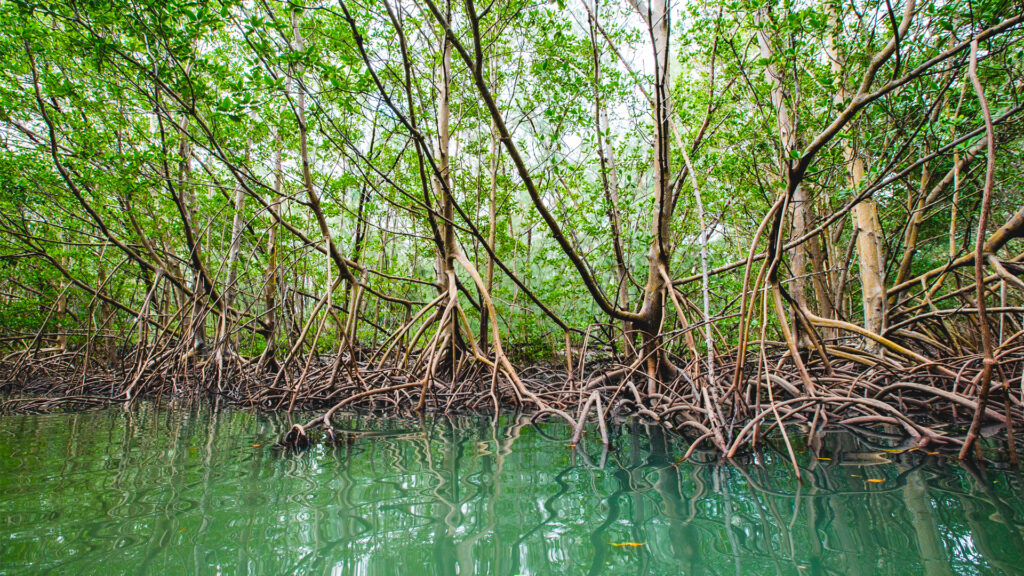 Mangroves in South Florida (iStock image)
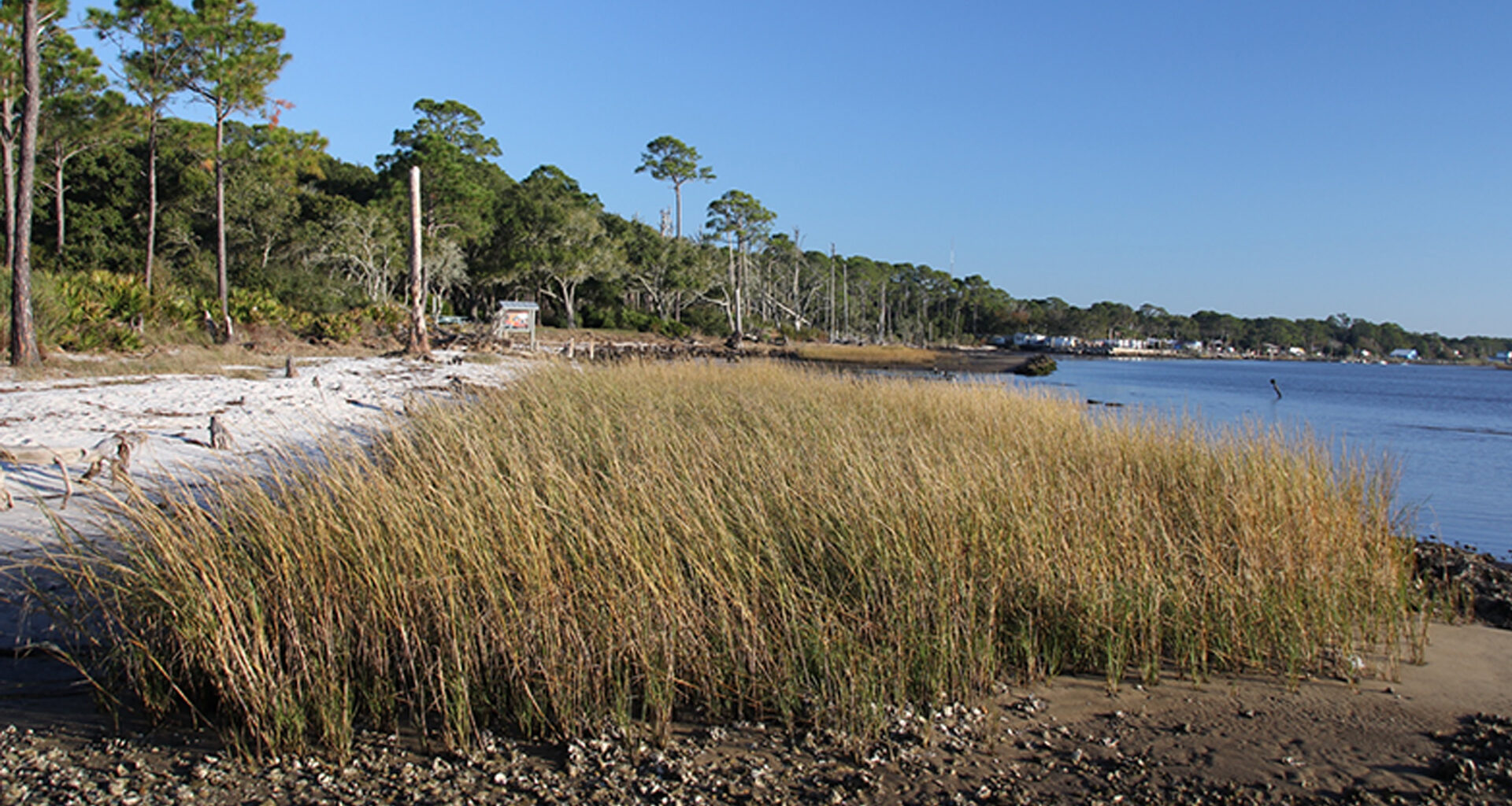
Mangroves, seagrasses, living shorelines and hybrid systems work with nature to stabilize coastlines, reduce erosion and absorb wave energy. They protect communities while preserving the natural beauty that defines Florida, and they often do so more cost-effectively.
Consider mangroves, one of Florida’s most powerful natural defenses. With roughly 600,000 acres statewide, these ecosystems stabilize shorelines, slow storm surge and store carbon. During Hurricane Irma in 2017, mangroves prevented an estimated $1.5 billion in direct flood damage in Florida and reduced impacts by nearly 25% in areas where they are present, according to a Florida Senate analysis. That is not just environmental value; that is a clear return on investment.
The benefits extend beyond storm protection.
Healthy coastal ecosystems are critical to Florida’s economy. In Miami-Dade County alone, Biscayne Bay supports approximately $64 billion in economic output, 448,000 jobs and about $4 billion in annual tax revenue, according to a 2023 economic study. These waters fuel tourism, recreation, fisheries and real estate, industries that drive our local economy.
Put simply: When we protect our natural systems, we protect our economy.
Florida has long recognized the importance of mangroves. The Mangrove Trimming and Preservation Act of 1996 established safeguards against their destruction. Senate Bill 302 builds on that foundation by modernizing how we deploy nature as infrastructure.
The law establishes a clear, statewide permitting process for nature-based resilience projects, helping communities move faster from planning to implementation. It directs the Florida Department of Environmental Protection to develop design guidelines for green and hybrid infrastructure and strengthens coordination between state and local governments.
Just as important, the legislation reinforces protections for sensitive ecosystems. An amendment prohibits dredging or filling of submerged lands in the Terra Ceia Aquatic Preserve off Florida’s west coast for commercial development, preserving these waters for their ecological value and for responsible recreational use.
 Ileana Garcia
This is what smart policy looks like: balancing environmental stewardship with fiscal responsibility.
Nature-based resilience is not just about protecting shorelines; it is about protecting communities, infrastructure and taxpayers. By reducing storm damage and avoiding costly repairs, these solutions help us spend smarter and plan for the long term.
Florida’s identity is inseparable from its coastlines. Our waters are not just scenic, they are economic engines and ecological lifelines. Preserving them requires solutions that recognize nature’s power.
Senate Bill 302 does exactly that.
In Florida, the environment is the economy. By letting nature do its job, we are making one of the smartest investments we can in our future.
Sen. Ileana Garcia represents Florida Senate District 36, which includes portions of Miami-Dade County. This opinion piece was originally published by the Miami Herald, which is a media partner of The Invading Sea. Banner photo: A living shoreline project on the Florida Panhandle (Florida Sea Grant/Apalachicola National Estuarine Research Reserve, CC BY-NC-ND 2.0 DEED, via flickr).
Sign up for The Invading Sea newsletter by visiting here. To support The Invading Sea, click hereto make a donation. If you are interested in submitting an opinion piece to The Invading Sea, email Editor Nathan Crabbe.