
Building something large and enduring, like a house, requires both funding and tools. Without funds, nothing can be built. Without the right tools, the job becomes harder, slower or even impossible. No builder would attempt a complex project without both.
Protecting Florida’s natural and rural landscapes is like building the house – to be successful, we need access to funding and an entire suite of conservation tools.
The Florida Wildlife Corridor is the blueprint for conservation of Florida’s wildlands and working landscapes. It is a science-based plan to connect and protect nearly 18 million acres across the state. The Florida Wildlife Corridor Act, passed with bipartisan support in 2021, put this vision into law.
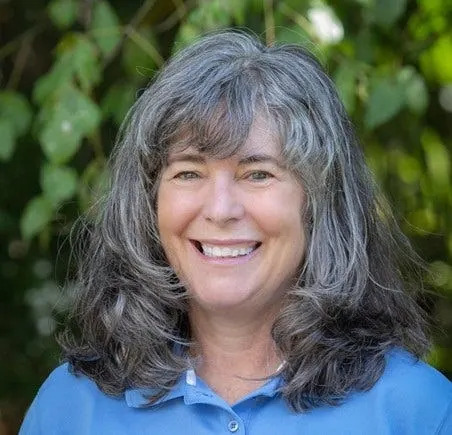
Susan Carr
The act specifies Florida Forever as the state’s primary land protection program to build the corridor. Florida Forever is our flagship land conservation program, designed to protect environmentally significant lands through purchases of land and conservation easements from willing sellers.
Since the 1980s, Florida Forever and its predecessor programs have protected more than 2.6 million acres, including many of our most beloved state parks and public lands. At its peak, the program was funded at approximately $300 million annually, enabling the protection of springs, rivers, wildlife habitat and large-scale conservation landscapes that underpin Florida’s nature-based economy.
The Legislature’s proposed 2026 budget would dramatically reduce funding for Florida Forever, despite the growing economy and population. The Senate proposal allocates just $35 million to the program, while the House version provides zero. Such cuts would defund Florida Forever, severely limiting the state’s ability to protect priority conservation lands and undermine administrative and staffing capacity.
Even more concerning, the Senate proposal would restrict Florida Forever funding to conservation easements only, eliminating the state’s ability to purchase land outright. This represents a fundamental policy shift – one that removes a critical conservation tool and sets a troubling precedent for the future.
To achieve the vision of the Florida Wildlife Corridor, Florida must retain a full suite of conservation tools. The ability to acquire land in fee simple is essential and, in many cases, the most effective and expedient way to protect sensitive landscapes, especially in rapidly developing areas.
Conservation easements are valuable tools. They keep land in private ownership while limiting certain types of development, and they are often a good fit for landowners who wish to retain their property. I work with conservation easement programs professionally and recognize their importance. But easements cannot replace land acquisition in many key situations:
∙ The most vulnerable lands are often offered for sale, not easement: Landowners facing development pressure typically seek to sell their property outright. Without the state’s ability to purchase land, these high-priority conservation lands will be lost.
∙ Some lands require public ownership for restoration and stewardship: While easements can prevent development, they do not always ensure active land management. Public lands are managed for restoration, habitat conservation, recreation and long-term stewardship — outcomes that often require full ownership.
∙ Small but critical parcels cannot be protected with easements: Florida Forever has long protected small holdings within state parks and conservation areas. Easements are rarely used for parcels under 100 acres, leaving these important lands vulnerable without acquisition authority.
∙ Building the wildlife corridor requires assembling fragmented lands: The corridor depends on connecting landscapes across multiple ownerships. Closing these gaps often requires assembling small and fragmented parcels over time. This simply cannot be done without the ability to buy land.
∙ Many modern easements prioritize agricultural use: Increasingly, Florida conservation easements are designed to maintain agricultural production, with natural resource protection as a secondary goal. In keeping with their purpose, agricultural easements can allow the conversion of natural lands to more intensive agricultural uses. In this policy environment, fee land acquisition that prioritizes natural resource protection becomes even more important.
∙ Taxpayer investment should result in public benefit: Florida Forever is funded by taxpayers. When funds are limited to conservation easements, public dollars protect private lands that remain closed to public access. Fee acquisition ensures that Floridians can experience and benefit from conserved lands.
Florida has spent decades building one of the most effective land conservation programs in the nation. We should not dismantle it now, as growth and development pressures continue to accelerate.
The Florida Legislature has not yet finalized the 2026 state budget. Lawmakers are expected to return this month to pass a budget by July 1, so there is still time to correct course.
If we are serious about conserving Florida’s landscapes and completing the Florida Wildlife Corridor, as mandated by the 2021 state law, our lawmakers must fully fund Florida Forever and allow the program to do its work with the needed tools and funding.
Susan Carr, Ph.D., is senior conservation project manager for the Putnam Land Conservancy. This opinion piece was distributed by The Invading Sea website (theinvadingsea.com), which publishes news and commentary on climate change and other environmental issues affecting Florida.
This article originally appeared on Fort Myers News-Press: Taking away the tools to build Florida Wildlife Corridor | Opinion