
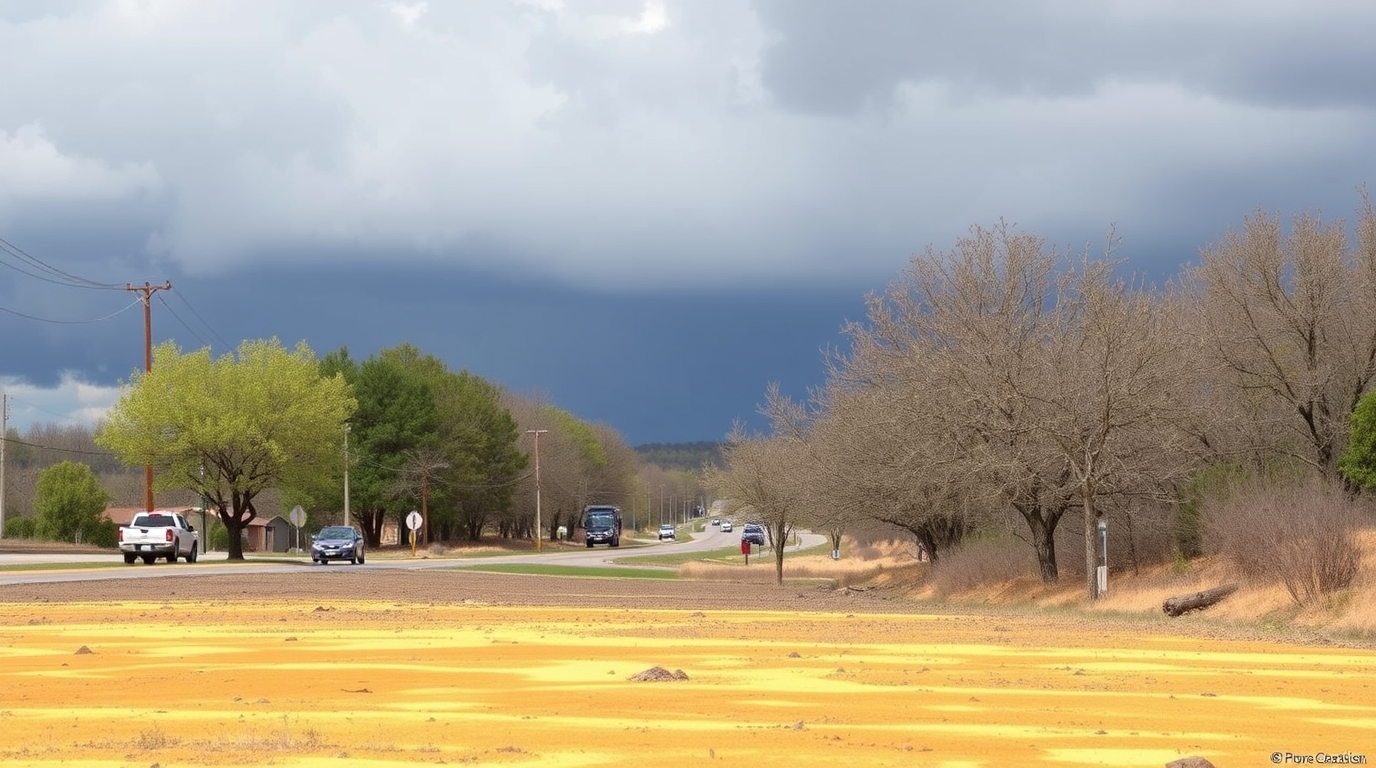
Drought conditions are still worsening across parts of southeast Alabama, southwest Georgia, and the Florida Panhandle and Big Bend, according to a new National Weather Service statement issued April 2. The report says exceptional drought continues to expand, extreme drought has developed in southeast Alabama, and this is the worst drought the Tallahassee forecast area has experienced since 2012.
The statement matters for agriculture because it comes as spring planting is getting underway. The National Weather Service says surface and subsurface water levels are especially low for early April, while long term hydrologic drought impacts continue to affect rivers, streams, lakes, and ponds. Even where some recent rain has fallen, the agency says conditions remain severe and the risk of further worsening is still present.
Drought conditions are expanding across a wide part of the region
The report says exceptional drought covers parts of south Georgia and north Florida, while extreme drought stretches across much of the rest of south Georgia, much of north Florida outside the worst drought zone, and parts of southeast Alabama. Severe drought remains in the far western part of the area. The agency also says drought severity increased this week across much of southeast Alabama and parts of southwest Georgia after little or no rainfall.
Rain totals over the last 30 and 90 days stayed well below normal in many reporting locations. The National Weather Service also says warm temperatures have returned, with several days in the 80s and overnight lows remaining above normal. For the official drought statement, see National Weather Service drought statement.
Planting season is starting under dry soil and low water pressure
The statement says farmers in southeast Alabama have had difficulty breaking the soil to get planting started. In southwest Georgia, corn planting is already underway, but irrigation is being used to support surface soil moisture and existing plants. The report warns that very low subsurface water levels could place even more stress on the water table as farms draw from wells.
In the Florida Panhandle and Big Bend, the National Weather Service says planting season is beginning, but concerns are rising because irrigation demand may increase pressure on already weak groundwater conditions. Deep layer soil moisture remains drier than normal across the region, especially in harder hit drought areas in south Georgia and north Florida. Broader drought information is also available through Drought.gov.
Dry ponds, low streams, and fire danger are adding to the strain
The statement says streamflows remain exceptionally low for this time of year, with some sites nearing record low flows. Lakes and holding ponds are very low or dry in several areas, and some small rivers and creeks are no longer navigable for paddlers. Reports from southwest Georgia say some swampy areas and small creeks are dry, while ponds near the Florida line have gone dry.
Wildfire danger is another major concern. The statement says Keetch Byram Drought Index values remain elevated across much of the region, with some of the highest readings in the Florida Big Bend and parts of the Panhandle. It also says above normal wildfire activity is expected across most of the region in April. For related agriculture coverage in English, readers can also see Agroinformacion.
Some rain is possible, but drought risks are still not gone
The National Weather Service says a weak frontal system could bring showers this weekend, and another system around April 8 may increase rain chances again. Even so, the 8 to 14 day outlook for April 9 through April 15 calls for near to slightly below normal precipitation, which means short term relief may remain limited.
Looking further ahead, the report says drought is expected to persist across the region over the next three months, though severity may improve if wetter patterns return later in May and June. The agency warns that if the summer sea breeze season is delayed, drought conditions could approach the kind of severity seen in 2000 and 2012. The official report was published by the National Weather Service Tallahassee in its Drought Information Statement on April 2, 2026.