
Florida Aquarium staff braced for the worst as Hurricane Helene barreled toward the Gulf Coast in 2024.
They chopped lettuce and fish to prep meals in bulk for the animals. They ratcheted down air tanks and equipment that could be thrown by high winds. They moved penguins, jellyfish and alligators to higher floors, where they would be safe from rising water.
If Tampa were to suffer a direct hit from a hurricane, it would be impossible to evacuate all 20,000 animals from the downtown aquarium’s waterfront location. Luckily, Helene’s floodwaters stopped short of the building’s doors.
“I like to think we are doing our part to protect the blue planet and marine life, so maybe Mother Nature gives us a little bit of a pass every once in a while,” said the aquarium’s CEO, Roger Germann. “We took those signs to say, let’s not just leave our goodwill up to Mother Nature.”
“We need to do a little bit better.”
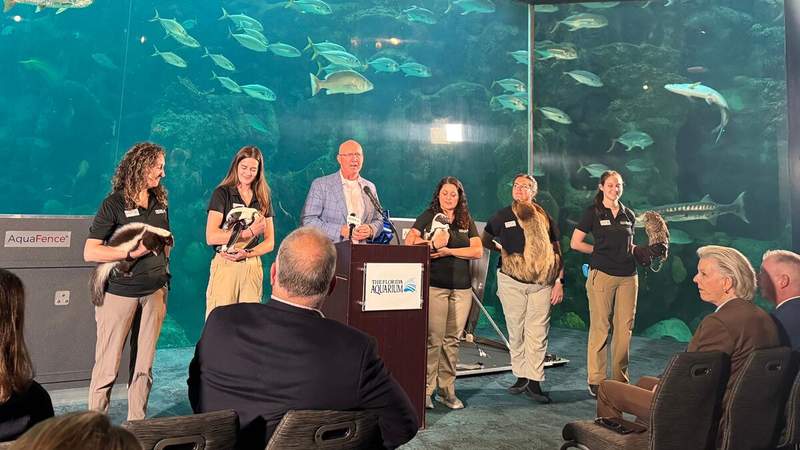
The aquarium announced Tuesday morning that AquaFence, a flood barrier company that garnered local and national recognition after its barriers protected Tampa General Hospital from Helene’s 7-foot storm surge, would be donating barriers ahead of the 2026 hurricane season.
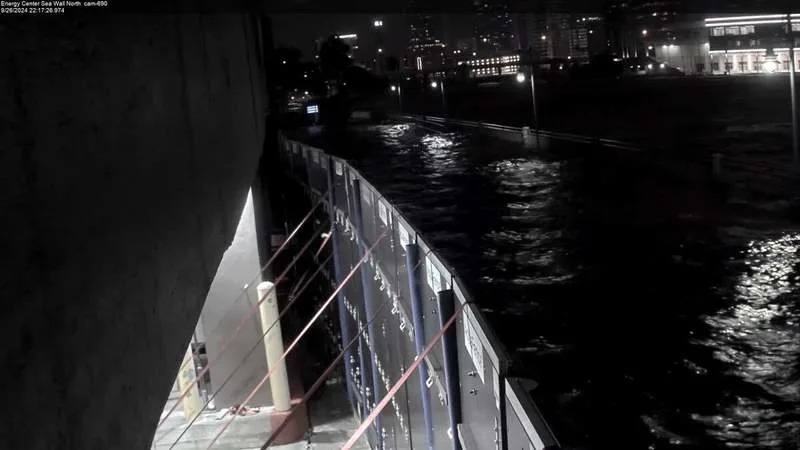
The company’s donation was a sign of goodwill to the community it would soon be joining — AquaFence is moving its U.S. headquarters to Water Street, where it opened an office last year. Tampa General Hospital and Strategic Property Partners, alocal commercial real estate firm, will help pay for installation of the barriers.
“It became clear that the aquarium is very vulnerable. It needed additional layers of protection to safeguard the animals, the habitat, the staff, and, of course, its mission,” said Patrik Hansson, chief revenue officer for AquaFence. “Protecting the aquarium means protecting a piece of Tampa’s identity.”
Other local infrastructure has come to rely on the company’s flood barrier technology.
Last year, St. Petersburg spent $700,000 on its own AquaFence to protect a key wastewater station that was taken offline during Helene. The city told thousands of residents to limit water usage and flush toilets only as necessary, since toilets might not drain.
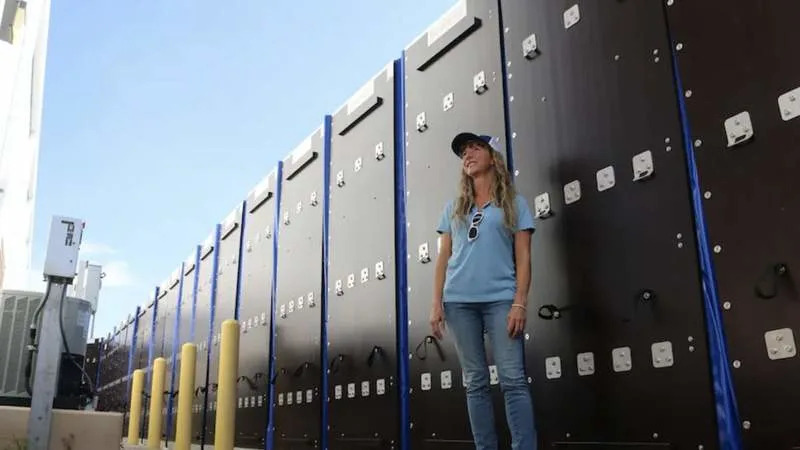
The city of Tampa, which owns the aquarium building, has been looking to other ways to harden its infrastructure against human-caused climate change. The addition of the AquaFence on Channelside will strengthen flood mitigation in one of the city’s riskiest zones.
Tampa Mayor Jane Castor and Tampa General Hospital CEO John Couris — flanked by other business leaders along with animals like penguins and skunks — spoke about the city’s vulnerability across its 126 miles of coastline.
“We live in paradise, but there are a few costs that come to that,” Castor said. “We are always focused on sustainability and resilience in our city.”
She praised the partnership across Tampa’s business community to protect the marine research hub and tourist attraction.
“What makes this area and this region so wonderful is the way that everybody comes together and works toward the same goal of growing our city,” Castor said.
• • •
The Tampa Bay Times launched the Environment Hub in 2025 to focus on some of Florida‘s most urgent and enduring challenges. You can contribute through our journalism fund by clicking here.