
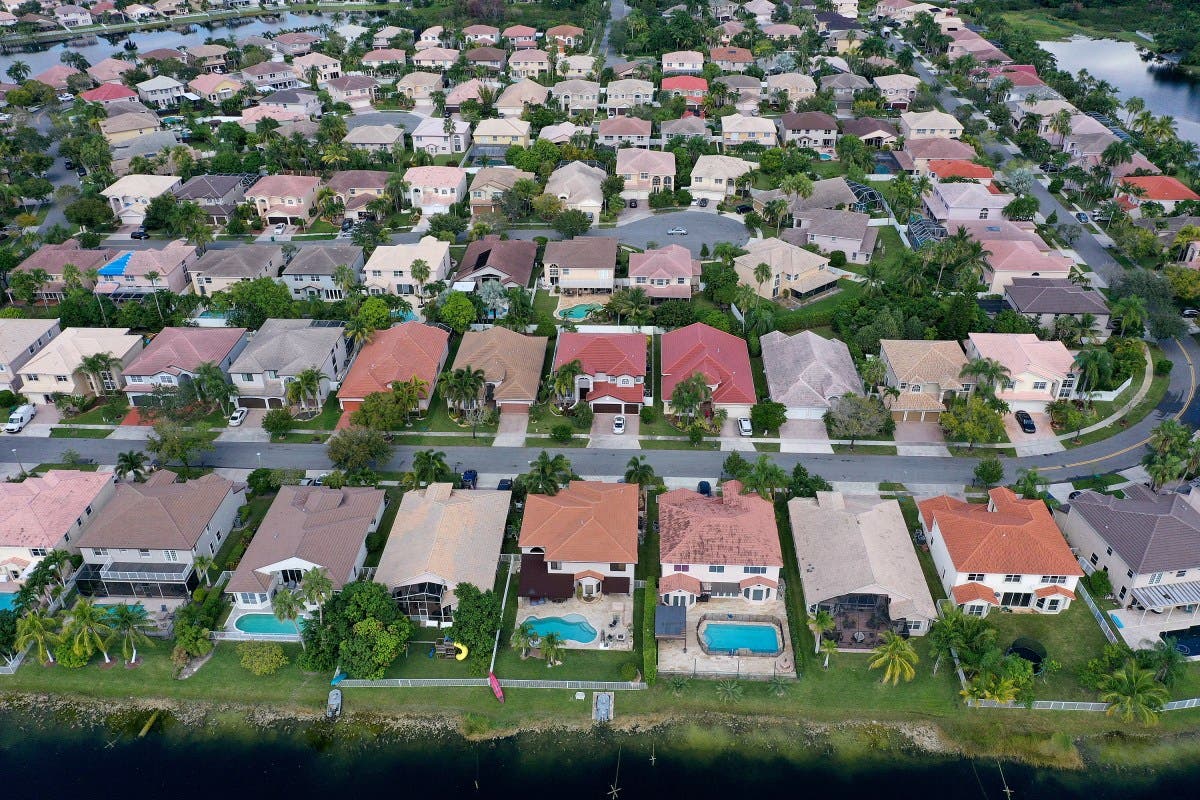
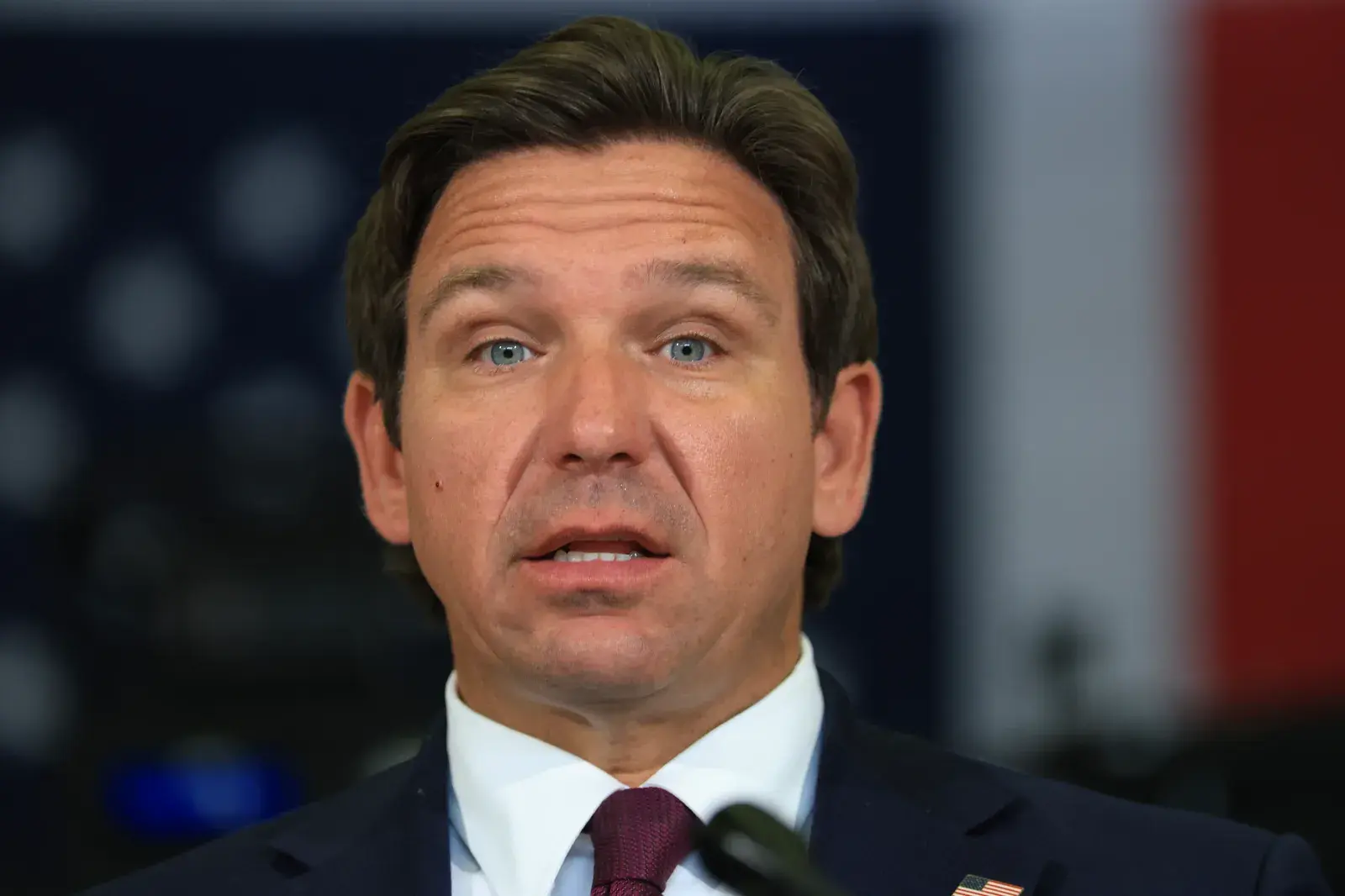
A proposal pushed forward by a Florida Republican would completely eliminate property taxes in the state as soon as 2027, a measure that Governor Ron DeSantis has repeatedly said would have his backing.
HJR 201, a House Joint Resolution filed by State Representative Kevin Steele, who represents District 55 north of Tampa, proposes an amendment to the Sunshine State’s constitution to exempt homestead property from all ad valorem taxation—taxes imposed on a home’s assessed value—other than school district levies.
At the same time, the new legislation would prohibit counties and municipalities from cutting funding for law enforcement.
Why It Matters
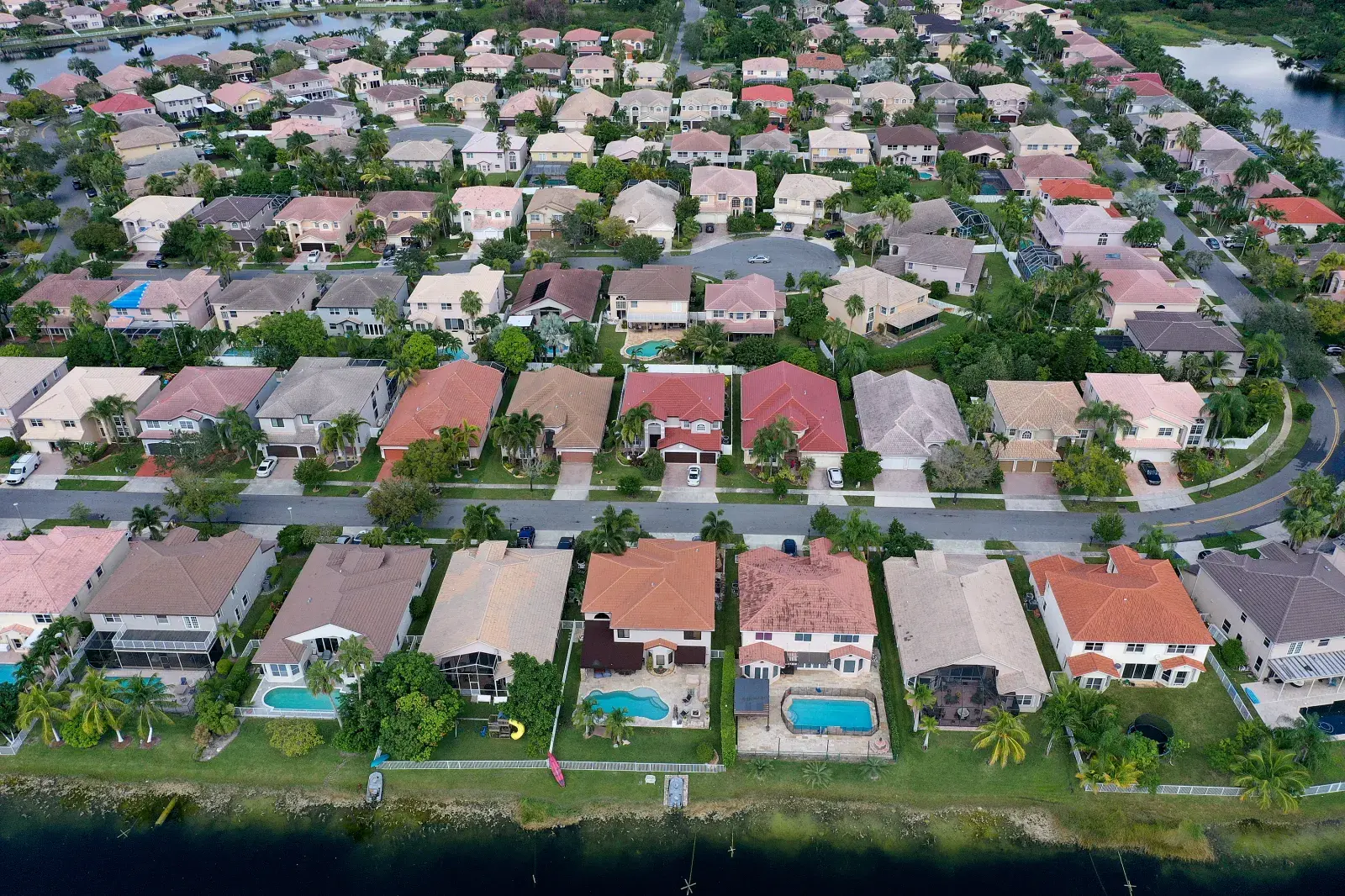
Property taxes have skyrocketed in Florida and around the country following the pandemic homebuying frenzy, when a surge in demand clashing with a chronic lack of inventory nationwide sent property values through the roof.
As a result, many lawmakers—especially those in Republican-led states—are now looking at ways to offer homeowners property tax relief, including eliminating the taxes entirely. DeSantis has urged lawmakers in Tallahassee to come up with a plan to ease the burden on Florida homeowners, but has expressed frustration with their approach to the problem.
 What To Know
HJR 201 was filed on October 16 in the Florida House and referred to the Select Committee on Property Taxes, where it is now being assessed. The proposal is intended to be put to Florida voters at the next general election or at an earlier special election “specifically authorized by law for that purpose.”
The joint resolution would need to receive a three-fifths majority in both legislative chambers to make it to the ballot, and then it needs to be approved by 60 percent of voters in an election. “We should put the boldest amendment on the ballot that has a chance of getting that 60 percent,” DeSantis said in a post on X in February.
The proposal is just one of many being considered by Florida lawmakers to offer property tax relief to homeowners in the state—one of too many, according to DeSantis. Florida politicians have pushed forward eight different pieces of legislation trying to solve the issue, seven of which are expected to appear on the 2026 general election ballot—including HJR 201.
The joint resolution, however, is the only one that suggests eliminating property taxes altogether, while exempting the portion of property taxes which fund K-12 schools. According to the Florida Education Association, property taxes comprise around 46 percent of school funding—eliminating them completely would likely raise an outcry from local governments and members of the public.
A recent analysis by Realtor.com estimated that HJR 201 was the “least sustainable” of the bills proposed by Florida lawmakers and the least likely to be passed.
“Eliminating property taxes on homesteads will destabilize local government funding in rural counties,” real estate and tax attorney and certified public accountant Chad Cummings said. “These counties will be forced to either slash basic services or dramatically raise sales taxes, which disproportionately burden low-income residents.”
Earlier this month, the governor pledged to come up with his own proposal to cut property taxes.
“Placing more than one property tax measure on the ballot represents an attempt to kill anything on property taxes,” DeSantis said in a post on X earlier this month. “It’s a political game, not a serious attempt to get it done for the people.”
But the powers of the governor are limited when it comes to this: DeSantis does not have the authority to veto any proposed amendments, but must accept whatever is adopted by lawmakers.
Florida House Speaker Daniel Perez has also stressed that he has not yet received any concrete input from the governor on the matter. “The governor has not produced a plan on property taxes. Period. It’s unclear what he wants to do,” he said in a statement to the Florida Phoenix news site.
Newsweek contacted Steele, Perez, and DeSantis’ office via email on Monday for comment.
What People Are Saying
State Representative Kevin Steele said in a statement: “Since taking office, I’ve worked to end property taxes (the only tax you continue to pay unrealized gains). My bill lets Florida voters decide in 2026 whether to eliminate property taxes while protecting funding for schools and public safety. It’s time to stop runaway local spending and put power back in the hands of the people.”
Florida Governor Ron DeSantis said at an event in Jacksonville on October 1: “I’m not just doing this to just go around and crow about property taxes. I want to see something big enacted. That’s the whole goal.”
Florida House Speaker Daniel Perez told the Florida Phoenix: “So when the governor says he wants to ‘abolish’ property taxes. How? We don’t have any details. But what the House does have is a proposal that reflects the governor’s comments in the media and can garner the support of voters in November—the elimination of non-school property taxes on all homesteaded properties, in addition to a range of possible ballot initiatives—some to offer tax cuts, and some to fix broken parts of the system. We offered multiple proposals in good faith because it is unclear to us what—if anything—any other party is willing to do.”
What Happens Next
It is not yet clear how Florida lawmakers plan to proceed, or which approach would prevail over the others. If passed by the legislature and approved by a majority of voters, the elimination of non-school property taxes would come into force as of January 1, 2027.