
Court records and police accounts differ about a 911 call placed from a victim’s phone before he was found dead, raising questions about how the call was handled.
HILLSBOROUGH COUNTY, Fla. — New questions are emerging in the case of a woman accused of killing her two ex-husbands on the same day, including whether a 911 call placed before one of the killings was handled appropriately.
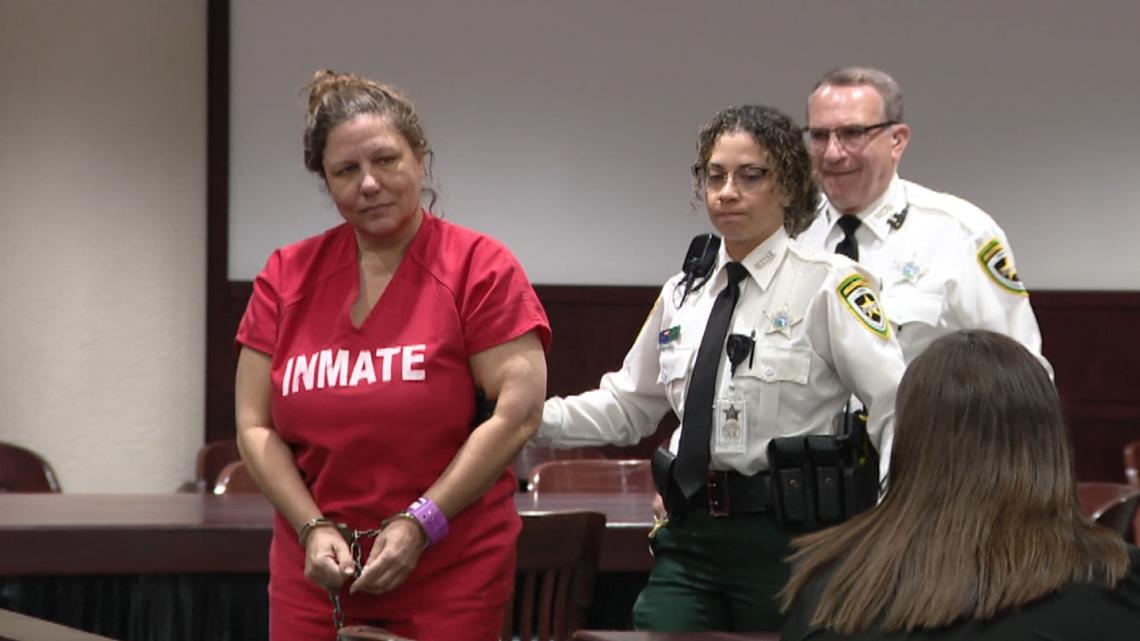
Investigators say Susan Avalon, 51, shot and killed her ex-husband, Timothy Fletcher, in Tampa on Dec. 17, then drove to Manatee County where she killed another ex-husband, David Scott.
Newly filed court documents reveal a 911 call was placed from Fletcher’s phone shortly before 12:40 p.m. the day he died.
In a pretrial detention filing, prosecutors say the call captured sounds consistent with possible gunfire before it disconnected. Minutes later, a dispatcher called the number back. A woman answered and said the call was accidental and dialed while exercising. No officers were sent to the home at that time.
Tampa police provided a different account of the call.
In a statement, the department said, “Following standard procedures for such calls, the call-taker immediately generated a call for service while simultaneously attempting a return call to the number to determine the nature of the original call. During this follow-up conversation, a female answered and stated she had dialed inadvertently while exercising and the call was a mistake. As the call-taker did not detect any suspicious information or indications of distress, the call for service was canceled prior to police units being dispatched to the scene.”
The difference between those accounts is raising questions about how emergency calls like this are evaluated.
“I understand from a law enforcement perspective why they may say that now, but I think it’s really important to see what’s on that call,” attorney Rohom Khonsari said. “If one agency is interpreting it as possible gunshots and another says nothing concerning—that needs to get cleared up.”
Khonsari said hang-up calls can be difficult to assess in real time and procedures can vary depending on the agency.
“Every regional 911 center is going to have their own policies about this,” he said. “Hang-ups are typically responded to if they’re from a landline. When they’re from a cell phone, it’s a little trickier, because obviously you have to find the location where the cell phone is from.”
Investigators say after that 911 call, Avalon drove to Manatee County and shot Scott. Before he died, Scott told deputies he believed Avalon was responsible. She was arrested later that night.
Court records show it was not until after Scott’s murder that authorities asked Tampa police to conduct a welfare check on Fletcher. Officers then found him shot to death inside his home.
Khonsari said the details of the initial call could be critical.
“If it does sound like there were possible gunshots in that first recording and the dispatcher didn’t think to dispatch someone there, I think that’s somewhat concerning,” he said.
10 Tampa Bay News has filed a public records request for the 911 call but has not yet received a response.
Avalon is expected back in court for arraignment next week. If convicted, prosecutors say she could face the death penalty.