
It started with a fraud alert call. It ended in a near loss of everything. The sophisticated scam you need to watch for right now.
JACKSONVILLE, Fla. — A warning about a scam so convincing, it nearly cost a Jacksonville man all the money in his bank account. The Ask Anthony team is sharing his story as a warning to protect others.
It started with a phone call that looked legitimate and even showed a trusted number. What happened next is a reminder to trust your gut and always verify who’s really calling.
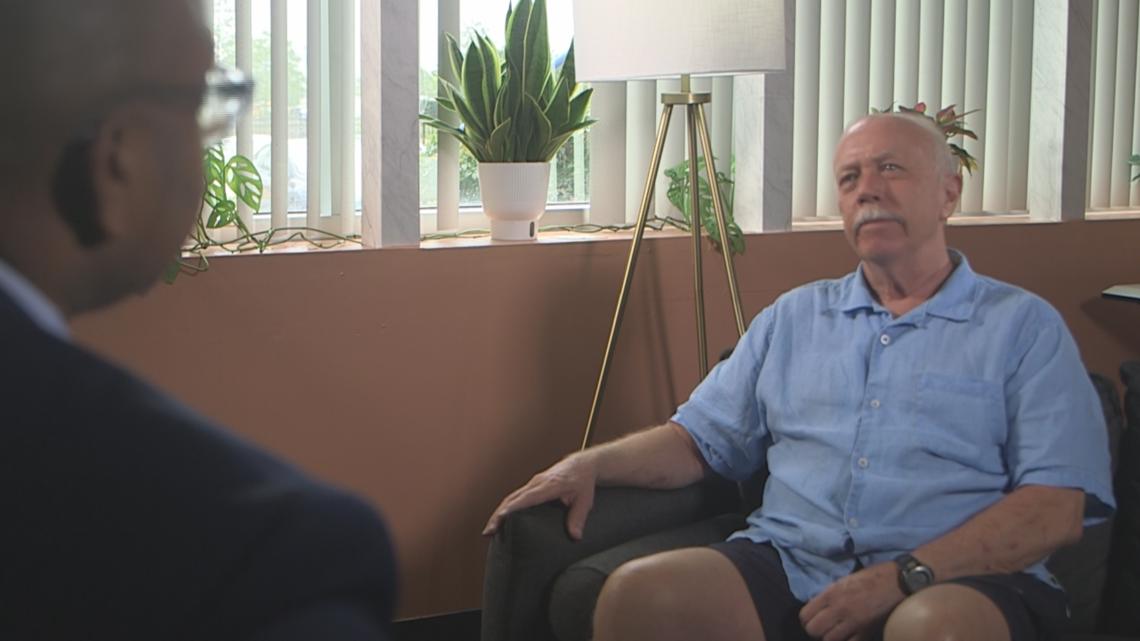
“It was late afternoon I got a call from what they said was the VyStar Fraud Department,” Sam Wells told Anthony Austin.
For Sam Wells, the call seemed routine.
Wells said he had received similar fraud alerts before, typically quick calls asking him to verify suspicious charges.
“They call me, ask me if I made those charges, and I say yay or nay, end of conversation.”
But this time was different.
“They said they were investigating the VyStar branches in Jacksonville for illegal wire transfers.”
The caller told Wells they needed his help to catch criminals. He was instructed to go to his credit union, withdraw money and move it into another account they controlled…and not tell anyone at the branch.
“He said, you know, we’re trying to stop these illegal wire transfers because the money is going into illegal activity like child pornography. That triggers a response, yeah, I don’t want that, so I’ll help catch these people. He said I couldn’t contact anybody at the branch because they’re under investigation.”
Moments later, the scam became even more convincing. The caller said police would contact him — and within seconds, Wells received another call that appeared to come from the Jacksonville Sheriff’s Office.
“Not 10 seconds later I got a call coming into my phone. The number shown on my phone was the Jacksonville Police Department number, but it wasn’t Jacksonville Police.”
Authorities say scammers can “spoof” real phone numbers, making calls appear legitimate on caller ID.
Wells went to his credit union and was prepared to withdraw a large amount of money. But a delay gave him time to reconsider.
“Being the grumpy old man that I am, I told him I’m not waiting in line.”
Instead, he left and contacted VyStar directly.
“As soon as I told the lady what was going on, she said, Hang up. It’s a scam.”
Financial fraud experts say the request Wells received is a major red flag.
“Lie to the bank…right there is your first major red flag. You know they’ve just told you to lie to the financial institution that’s holding your money,” Chuck Meredith explained.
Chuck Meredith, who leads VyStar’s fraud department, said scams like this are happening across the country and becoming more sophisticated. Criminals are using real bank names, partial account details and even past interactions to build trust and create urgency.
“When they reach out with that urgency, it is such a fear, and that’s what hits you. The easiest thing is to just stop and slow down and think. Can I get your name? Can I get your extension? Can I get your phone number? What’s the exact reason you’re calling?”
Meredith say consumers should slow down, verify information and take control of the call. Never send money or share personal information with unsolicited callers — and always contact your bank directly using the number on your card or its official website.
Be open and honest with your financial institution if you’ve shared any personal information.
“Telling us little things that are going on with your accounts and being honest…that whole partnership is going to save a lot of heartache on both sides of the coin,” Meredith said.
Wells said the experience was a wake-up call.
“Before you do anything, call your financial institution,” Wells added.
If something doesn’t feel right, trust that instinct. Banking officials say a simple step, calling your bank directly before taking action, can prevent major financial loss.