
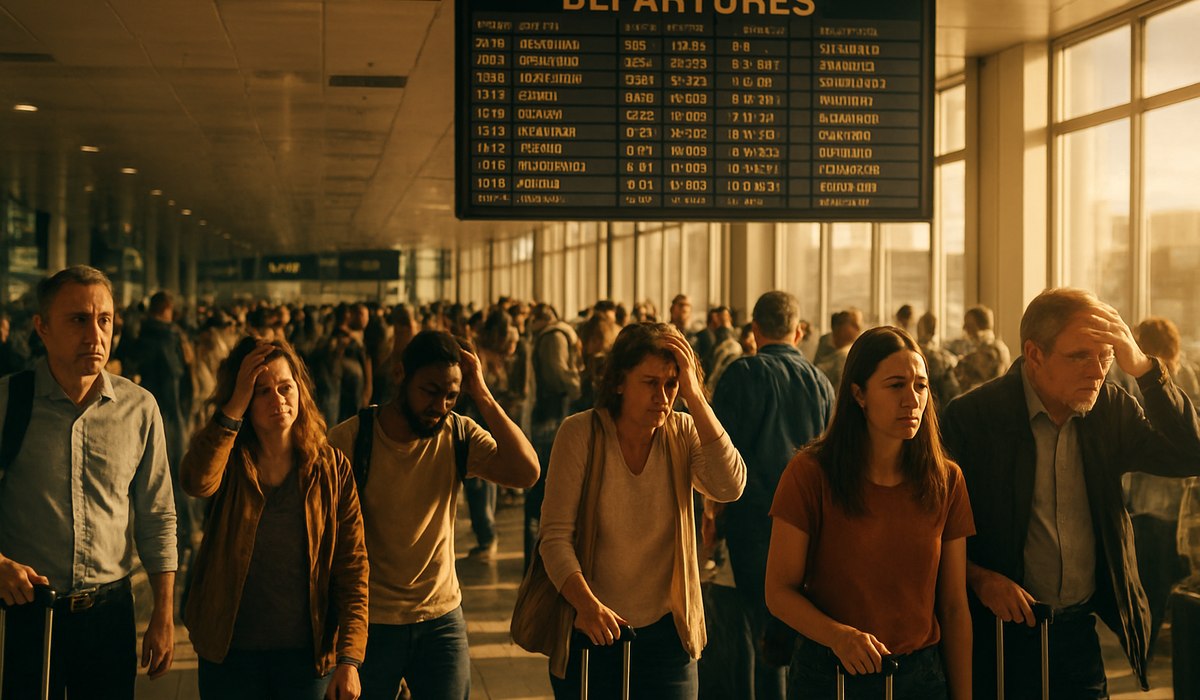
Massive Operational Disruption Affects Hundreds at Fort Lauderdale
Fort Lauderdale–Hollywood International Airport descended into travel chaos on April 11, 2026, leaving hundreds of passengers stranded and frustrated. A total of 149 flights were delayed while 13 flights were cancelled, creating a cascading crisis across multiple airlines and destination airports. The disruption impacted key U.S. routes including Newark, Dallas–Fort Worth, San Antonio, and Tampa, affecting both leisure and business travelers during a busy travel period. The combination of schedule disruptions, aircraft repositioning challenges, and crew unavailability created perfect conditions for widespread passenger frustration and missed connections.
Scope of Disruption: 149 Delays and 13 Cancellations
The sheer magnitude of the operational meltdown at Fort Lauderdale on April 11 reflected systemic strain across the airport’s infrastructure. Flight-tracking data from FlightAware revealed that delays persisted throughout afternoon and evening hours, with departure boards cycling through continuous revisions. The 149 delayed flights represented a significant percentage of Fort Lauderdale’s daily operations, while the 13 cancellations eliminated travel options entirely for affected passengers.
Airport congestion intensified as aircraft fell out of sequence, crews exceeded duty limits, and gate assignments shifted unpredictably. Passengers found themselves waiting in terminals with minimal information, while airline customer service desks became overwhelmed with rebooking requests. The rolling nature of the disruption—where early delays triggered subsequent cancellations—meant that recovery took many hours beyond the initial operational hiccup.
Wide-Ranging Impact Across Multiple Carriers
The disruption wasn’t limited to a single airline but affected the broader Fort Lauderdale ecosystem. Spirit Airlines carried the heaviest volume of disrupted operations, accounting for a substantial portion of the 149 delays and contributing significantly to cancellation totals. Spirit’s high-frequency model from Fort Lauderdale to leisure destinations meant that modest initial delays cascaded rapidly across the schedule.
Sun Country Airlines, Air Canada, and Avianca also experienced considerable disruptions, though with smaller absolute numbers. For passengers booked on these carriers, limited interline agreements and restricted rebooking options compounded travel difficulties. When hundreds delayed flights overwhelm an airport simultaneously, alternatives evaporate quickly, leaving passengers with few choices beyond accepting significant delays or canceling entirely.
The pattern reflected broader U.S. system pressures documented by the FAA, where elevated delay rates across major carriers strained recovery capacity nationwide.
Affected Routes and Passenger Connection Challenges
The impact radiated outward from Fort Lauderdale to critical U.S. hubs. Newark Liberty International services experienced extended delays, disrupting Northeast connections for South Florida residents and visitors. Dallas–Fort Worth and San Antonio routes—essential for central and western U.S. connectivity—faced multi-hour postponements that eliminated same-day travel for many passengers.
The Tampa corridor, a short-haul intra-state route, suffered particularly acute frustration among business travelers dependent on tight scheduling. When hundreds delayed flights create bottlenecks, passengers on secondary routes (those with fewer daily frequencies) often face complete schedule erasure, forcing overnight hotel expenses or costly rebooking on competitor carriers.
Passengers connecting through Fort Lauderdale to Latin American and Canadian destinations via Air Canada and Avianca faced additional complexity, with limited seat availability on subsequent flights and communication barriers adding to confusion.
Operational Challenges and System-Wide Pressures
Investigation into the April 11 disruption revealed multiple contributing factors operating simultaneously. Aircraft sequencing failures meant that inbound flights arrived behind schedule, reducing available tail time for subsequent departures. Crew scheduling conflicts, potentially exacerbated by earlier regional disruptions, limited pilot and flight attendant availability.
Weather-related congestion at other major U.S. hubs may have diverted aircraft and crews away from Fort Lauderdale, reducing operational flexibility. The hub’s dependence on time-sensitive connections—where passengers transfer between flights—meant that even modest initial delays triggered downstream cancellations as connection times evaporated.
Gate congestion prevented efficient aircraft turnarounds, while baggage handling backlogs added minutes to each departure cycle. System pressures visible across the national network that day suggested industry-wide challenges rather than airport-specific failures.
Traveler Action Checklist
If you were affected by hundreds delayed flights at Fort Lauderdale or similar disruptions:
Document your flight details including confirmation numbers, scheduled departure times, and actual departure/cancellation status from your booking email or airline app
Contact your airline immediately through their customer service channels (phone, app, or social media) to request rebooking on alternative flights at no additional charge
Check eligibility for compensation under U.S. Department of Transportation regulations, which may entitle you to monetary reimbursement for cancellations or significant delays
Request meal and accommodation vouchers if you experience overnight delays; airlines must provide these services regardless of flight delay cause
File a formal complaint with the U.S. DOT if your airline fails to provide required compensation or services
Monitor real-time flight status using FlightAware or your airline’s app rather than relying on airport boards alone
Consider travel insurance for future bookings to protect against similar disruptions and ensure financial recovery options
Key Data Summary: Fort Lauderdale April 11 Disruption Metrics
Metric
Figure
Impact Level
Total Delayed Flights
149
Severe
Total Cancelled Flights
13
Critical
Estimated Passengers Affected
20,000+
Widespread
Primary Affected Carrier
Spirit Airlines
Major
Secondary Affected Carriers
Sun Country, Air Canada, Avianca
Moderate
Key Disrupted Route
Fort Lauderdale–Newark
Critical
Secondary Disrupted Routes
FLL–Dallas, FLL–San Antonio, FLL–Tampa
Major
Average Delay Duration
90–180 minutes
Significant
Peak Disruption Hours
2 PM–10 PM EDT
Evening
System Recovery Time
12+ hours
Extended
What This Means for Travelers
The April 11 Fort Lauderdale disruption demonstrates why travel resilience matters. When hundreds delayed flights occur simultaneously, passengers face severely constrained options and minimal flexibility. Here’s how to protect yourself:
Book strategically: Avoid single-connection itineraries through Fort Lauderdale during peak seasons when operational margins are thinnest. Consider flights with longer connection windows (90+ minutes) to absorb minor delays.
Register for alerts: Use FlightAware notifications and your airline’s app to receive real-time status updates rather than discovering delays in the terminal.
Know your rights: U.S. DOT regulations entitle you to compensation for cancellations and significant delays, regardless of cause. Most passengers don’t claim this compensation—don’t leave money on the table.
Carry essentials onboard: When hundreds delayed operations strain baggage handling, keep medications, chargers, and critical documents in your carry-on.
Plan buffer time: Build extra hours into your travel itinerary, particularly on tight connections through major hubs experiencing operational strain.
Frequently Asked Questions
Q: What compensation am I entitled to if my Fort Lauderdale flight was delayed?
A: Under U.S. DOT regulations, cancellations typically qualify for $250–$750 in compensation based on delay length and ticket price. Delays of