
April 12, 2026, 8:02 a.m. ET
Capital City Country Club members voted to turn over operations to an investor group for a multi-million dollar renovation.The investor group, which includes billionaire Patrick Zalupski, has committed a minimum of $30 million to the project.Concerned residents raised questions about potential development and the handling of an unmarked cemetery on the property.Club officials stated the property is not being sold to investors, but rather managed by them under an operating agreement.
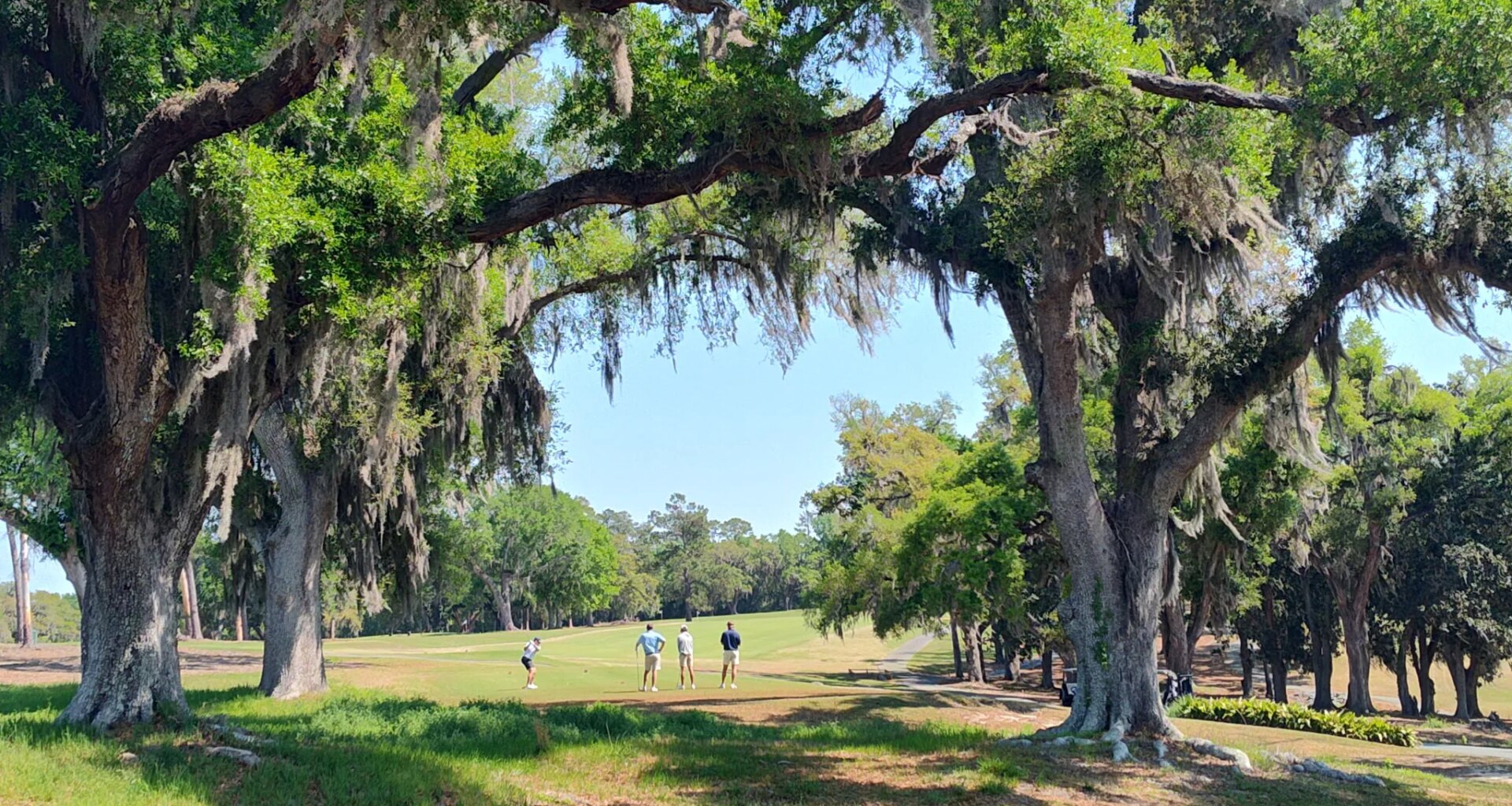
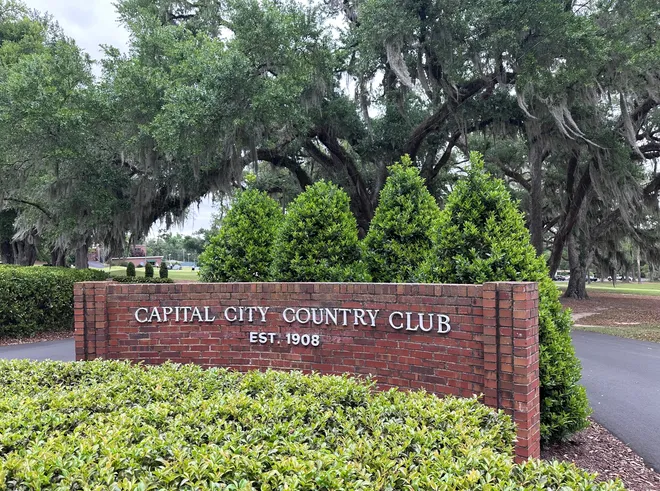
Concerned residents asked questions and sounded off on a plan for Capital City Country Club in Tallahassee, Florida, to hand its operations to a high-powered group of investors who would spend millions of dollars to transform it into a “world-class” golf venue.
City Commissioner Dianne Williams-Cox organized the April 8 meeting at the country club and acted as facilitator as club President Fred Baggett and several board members fielded questions about the plan.
Capital City Country Club members voted 167-9 on March 30 to turn over management and control of the club to an investor group that includes Patrick Zalupski, a billionaire home builder and lead owner of the Tampa Bay Rays.
“The investors have committed a minimum of $30 million and, in all possibility, more than that to bring this to a world-class golf venue,” he said. “It’s something we could never imagine in our own capabilities of restoring the club.”

The move came just months after a controversial 3-2 vote by Tallahassee city commissioners to sell the 178-acre property it had leased for decades to the country club for its 18-hole golf course.
Need a news break? Check out the all new PLAY hub with puzzles, games and more!
The sale drew opposition from residents worried it would open the door to developers — which the club maintains can’t happen under the terms of the deal — and concern over the handling of an unmarked cemetery of Black slaves, which the city is turning into a memorial.
The club’s board asked commissioners in September to buy the land so it could get bank loans to make badly needed repairs and improvements.
Recent news that outside investors would take over instead took some neighbors by surprise and renewed fears about development and other unwanted possible impacts.

Jeff Blair, president of the Woodland Drives Neighborhood Association, said the deal with investors “doesn’t add up.” He and others worried about possible residential development, something Baggett noted was not possible under the terms of the city sale.
“We’re concerned that this deal just doesn’t look right,” he said, “and there’s money to be made somewhere here.”
Baggett and Williams-Cox, who voted for the city sale, emphasized that the country club would not be sold to the investors, contrary to comments Baggett made to the Democrat before the March 30 vote. After the meeting, Baggett acknowledged he had misspoken about that.

“I know you read and heard that it would be sold,” Williams-Cox said. “And so I wanted to make sure that the board would be here tonight to let you understand that it is not being sold, but they are seeking financing through investors to try to do what they’re needing to do.”
An email sent March 30 from the country club board to members said the group of investors would pay $1.255 million, the same amount the city sold the property, so the club could acquire title to the 178 acres of land. It goes on to say that if the investors don’t spend $15 million in three years to improve the course, “the club and course will revert to ownership by the CCCC.”
Baggett painted a bleak picture of not only the club’s current conditions but its future were it not for the outside investors.
He said the 70-year-old clubhouse was “worse than a 150-year-old house” and that something breaks every day. The golf course irrigation system is so old that special parts have to be made to replace old ones. The greens are past their lifetime and dying, and the golf cart paths have to be replaced.
“Add all this together, and without any frills, just to keep it the way it is, will be in the range of $7 million,” he said, adding there was “no way” the club could cover that without outside help.
When pressed by residents, Baggett said he was not at liberty to reveal any of the other investors, saying Zalupski was the “face on the front of it.” He said the second primary investor was even “richer” than Zalupski but didn’t reveal much more.

Rick Weidner, treasurer of the board, said the “gentleman” who’s investing in the club was struck by three things: the age of the club, which was formed in 1908, the rolling land, which is unlike the rest of Florida, and the golf course design by famed golf course architect A.W. Tillinghast.
“They, I’m sure, are not totally altruistic — they will be charging significant fees to future people that will help repay some of their money,” he said. “But … it’s a passionate thing that they don’t expect to really make money off of, and they love golf.”
Terence Hinson, a Tallahassee real estate agent, asked what would happen if revenues from the new-and-improved course don’t come in as expected.
“You all set this up,” he said. “They do the infrastructure, they create this course, people pay to get in but not enough people pay and we fall short on the revenue side of this. How does the default process work?”
“If they fall short on the revenue side, that’s their responsibility,” Baggett said. “We would be operating under … a management operating agreement where they operate the course. They pay for the operation and maintenance of the course and capital improvements. They get the revenues that come from the course. If there’s a shortfall, it’s their shortfall.”
Delaitre Hollinger, president of the National Association for the Preservation of African American History and Culture, noted that two unmarked graves were beneath the golf cart path and asked whether the course could be rerouted.
Baggett said there would be all new golf cart paths “and if there are defined, determined graves under a cart path, it’s going to be moved.”
Delilah Pierre, president of the Tallahassee Community Action Committee, asked how the club would handle any unmarked graves of children that have yet to be identified on the site.
“We will protect what is found and determined as being graves,” Baggett said. “There’s no question about that. The law is very stringent what you can do with a grave site.”
City Commissioner Curtis Richardson, who also voted in favor of the city land sale, attended the meeting and listened but didn’t speak because of the Sunshine Law, which prohibits two or more public board members from meeting without notice.
Construction is expected to begin in the summer of 2028 and last four years. As part of the proposal, members would have to contribute at least $25,000 each to remain part of the club — though would go down based on years of membership. New members would pay fees of $50,000 to $75,000 to join.
Baggett promised the plan would add value to nearby neighborhoods and the city itself.
“Golf is a big industry,” he said. “And this is our opportunity to put Tallahassee on the map from the golf perspective.”
(This story was updated to add new information.)
Contact Jeff Burlew at jburlew@tallahassee.com or 850-599-2180.