
By Elise Bennett, Center for Biological Diversity
Trump administration officials are sending Florida a message. They’re telling us to our faces that they don’t care about our ocean or our manatees and sea turtles. But true Floridians (the kind who actually live here and don’t just golf at Mar-a-Lago) want to protect the beaches, wildlife and oceanfront communities that make our state so special.
Our legislators and state and local officials need to stand up to Donald Trump’s illegal overreach and push back before he does irreparable damage. Case in point: Trump’s Secretary of the Interior Doug Burgum recently convened a committee known as the “God Squad.” Its task was to decide whether the U.S. government can condemn endangered species in the Gulf to extinction using a national security exemption, for the first time in the Endangered Species Act’s 50-year history.
Along with our manatees and sea turtles, an incredibly endangered whale species was in the committee’s crosshairs: The Rice’s whale lives only in the Gulf and only about 50 of these amazing animals are left alive.
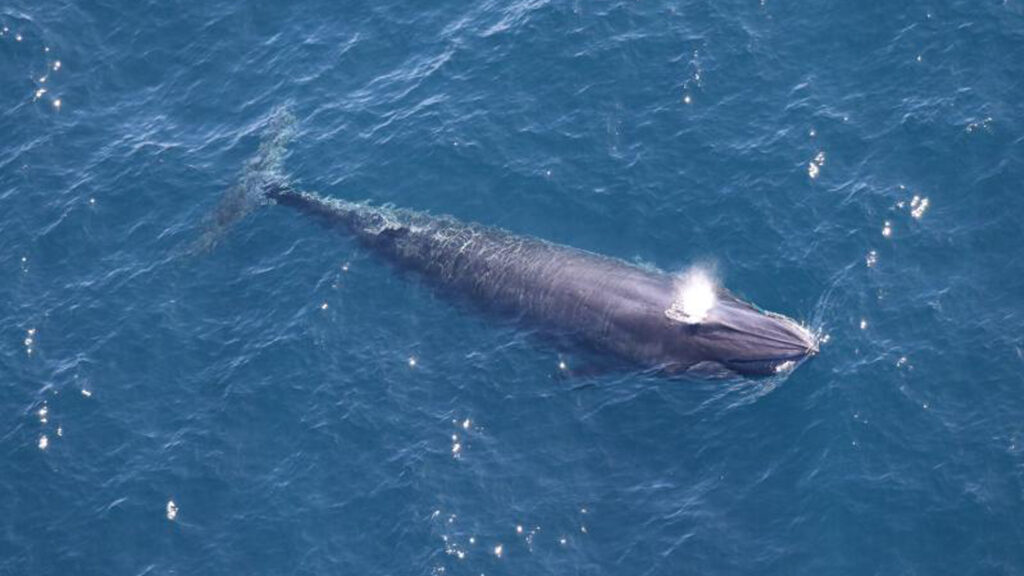 A Rice’s whale observed in the western Gulf during an aerial survey in 2024. (Credit: NOAA Fisheries/Paul Nagelkirk, Permit #21938)
Trump’s God Squad meeting took all of 32 minutes. The six committee members didn’t even pretend to debate the issue: whether federally approved oil and gas activities in the Gulf should be exempt from the Endangered Species Act’s requirement that federal actions not jeopardize the survival of a species.
They unanimously granted the exemption, having obviously come into the meeting with that plan. They dodged the law’s requirement to follow a multi-step process open to the public — instead, they just slapped their little chat up on YouTube and called it a day.
Keep in mind: The Endangered Species Act works. It has saved the lives of endangered whales and sea turtles through commonsense protections.
Offshore drilling activities like oil spills, airgun blasting and vessel traffic can cause a lot of harm to ocean wildlife. But simple mitigations like slowing down vessels, keeping new activity out of important habitat areas and monitoring for marine mammals can help wildlife endure alongside human activity.
Floridians have been taking careful steps to protect our marine life for decades — it’s woven into the very fabric of our state. We slow down our boats in no-wake zones to safeguard manatees. We turn off lights and clear the beaches during sea turtle nesting season. We have beach cleanups every weekend. But six extinction committee members decided they know the value of our beautiful Gulf better than we do.
How did this handful of people justify condemning manatees, sea turtles and the Gulf’s Rice’s whale? Secretary of War Pete Hegseth says it’s for “national security” — but he hasn’t provided any specifics. Oil and gas companies haven’t even asked for this extreme accommodation — at least not publicly. And a day after the extinction committee meeting, the Trump administration announced that U.S. drillers produced a record amount of oil in 2025, seemingly unhampered by looking out for sea critters.
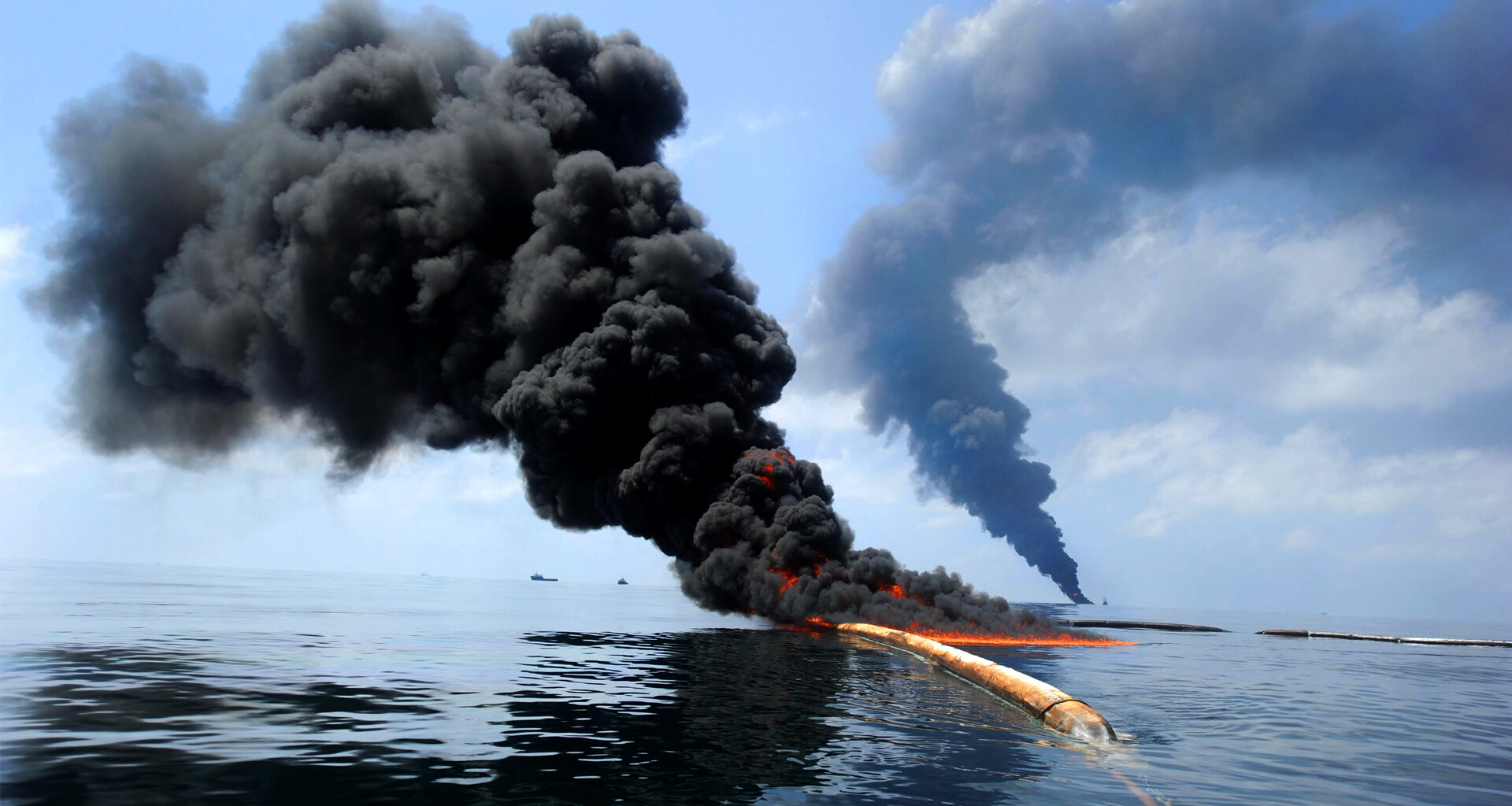
In mid-March, the administration also approved a risky deepwater project, Kaskida, that will be BP’s first completely new oilfield in the Gulf since the 2010 Deepwater Horizon disaster killed 11 people and smothered wildlife and the coast, including some Florida beaches, in black crude.
As oil companies look for new areas to expand, they’re venturing into deeper waters where high pressure and new technology make the odds of a blowout six to seven times higher than usual. If Trump and his cronies get rid of important safeguards now, there’s a good chance we’ll see more spills.
 Elise Bennett
Florida lawmakers from both sides of the aisle have already been on high alert since Trump released his five-year plan for offshore oil and gas leasing late last year. The plan proposes to include areas for sale in the “Eastern Gulf” off Florida’s west coast, despite widespread agreement that we don’t want oil rigs off our beaches.
Our representatives spoke out against this bullying, but the “God Squad” meeting shows that Trump simply isn’t listening and doesn’t care. So we need lawmakers to take stronger action, using congressional power to block the decision. Our local governments can also pass anti-drilling and anti-God Squad resolutions that send a clear message to Washington.
As a born-and-raised Floridian, I’m so fortunate to have spent nearly four decades living alongside our state’s precious marine neighbors. We Floridians know the spiritual feeling of witnessing a mother manatee gently guide her calf through clear coastal waters, or watching a tiny stampede of sea turtle hatchlings make their way into the ocean waves. You can’t put a dollar value on those moments. But they offer priceless nourishment for something deep inside — and they’re more at risk than they’ve ever been.
It’s time we make it clear that our living coastlines and beautiful waters are not for sale to oil companies. We need to show that we’re willing to fight back for the places that shaped us.
Elise Bennett is the Florida and Caribbean director and an attorney at the Center for Biological Diversity. Banner photo: A controlled fire is conducted to help prevent the spread of oil in the Gulf of Mexico on May 6, 2010, following the BP Deepwater Horizon spill (Petty Officer 2nd Class Justin Stumberg/U.S. Navy, Public domain, via Wikimedia Commons).
Sign up for The Invading Sea newsletter by visiting here. To support The Invading Sea, click here to make a donation. If you are interested in submitting an opinion piece to The Invading Sea, email Editor Nathan Crabbe.