
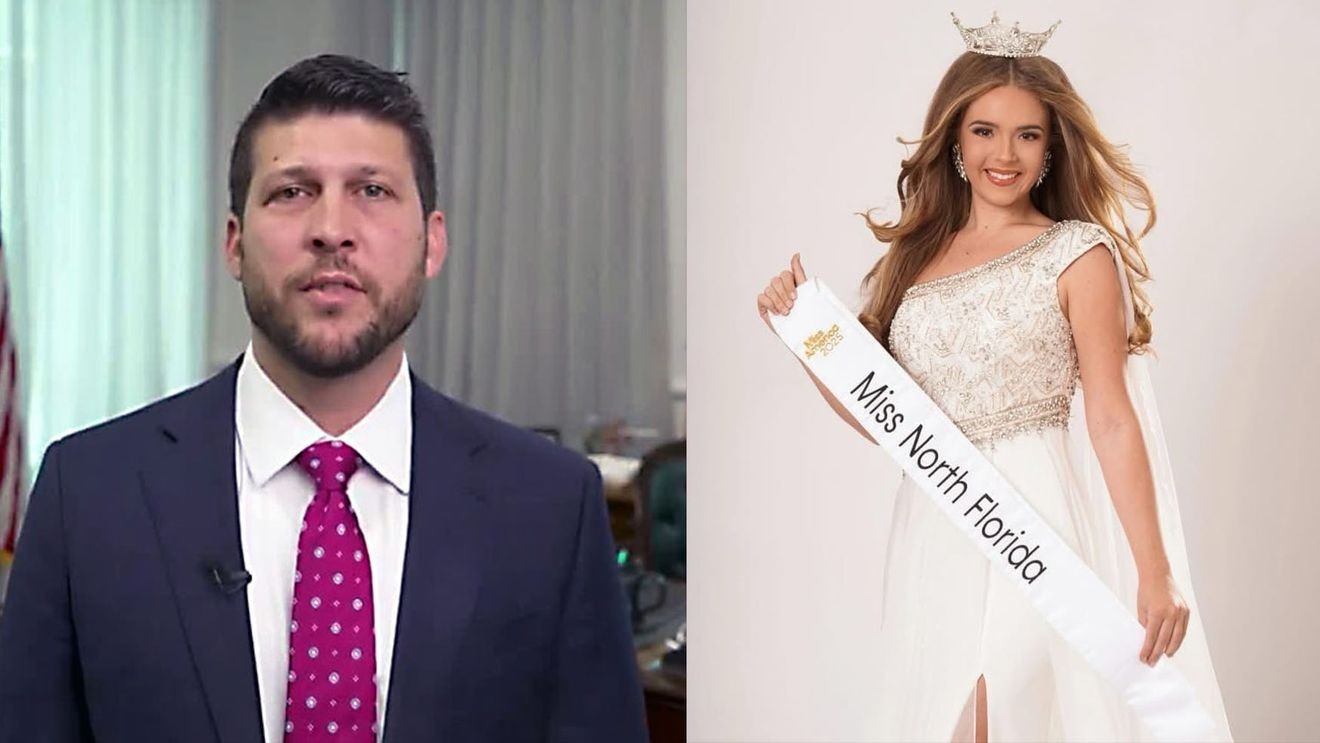
WEST PALM BEACH, Fla. (CBS12) — Florida Attorney General James Uthmeier’s warning to Miss America and Miss Florida over their transgender contestant policy is now drawing a forceful response from the pageant organization’s attorney, who says the attorney general’s claims are false, defamatory and based on an inaccurate account of what happened to contestant Kayleigh Bush.
In letters sent April 10 and April 13, Miss America general counsel Stuart J. Moskovitz accused Uthmeier of publicly releasing his allegations before seeking a response from the organization and said that move spread misinformation about the case.
Uthmeier had warned that Miss America and Miss Florida may have violated Florida’s Deceptive and Unfair Trade Practices Act by advertising their pageants as competitions for women while allowing transgender women to compete. He tied that claim to Bush, who said she lost her Miss North Florida 2025 title after refusing to sign a contestant contract.
But Moskovitz disputes that account. In his April 10 letter to Uthmeier, he wrote that Bush “never had her title stricken” and said every contestant seeking to compete in Miss Florida is required to sign the same contract, with no exceptions. He argued that making a special exception for one contestant would be unfair and unworkable.
Moskovitz also said there was no deception because Miss America did not control local feeder competitions when Bush entered the Miss Freedom USA contest. According to his letter, Miss America only required Bush to sign its contract when she later sought to compete in the licensed Miss Florida system.
See also: $1.8 million in counterfeit luxury goods seized in West Palm Beach, CBP says
The attorney further argued that the disputed contract language was never intended to allow men to compete. Instead, he said it was meant to address what he described as rare biological circumstances involving someone born with two X chromosomes but unmatched genitalia. He wrote that Miss America has since revised the contract language to make explicit what he says was always the policy: that a contestant must be born with two X chromosomes.
In a second letter dated April 13, Moskovitz said Miss America did not change its policy because of Bush’s claims, but only clarified the wording “so there can be no doubt as to the intent of the provision.” He again insisted both the original language and the revised version were designed to prevent men from participating in the competition.
Moskovitz also sent a separate letter to CBS12 on April 13, urging the station to correct its reporting. In that letter, he said Bush “did not forfeit her crown or her scholarship opportunity” and instead chose to “self-promote with a fabricated issue rather than actually sign a contract and compete.”
The exchange sharply escalates the dispute between Florida officials and the pageant organizations. While Uthmeier argues the groups misled women by promoting the competitions as female-only, Miss America’s attorney says the attorney general’s office has distorted the facts and unfairly damaged the organization’s reputation. In both letters to Uthmeier, Moskovitz demanded that the attorney general retract or clarify his statements.