
PALM BEACH COUNTY, Fla. (CBS12) — Archer Aviation says the future of transportation may be closer than many think — and it could take off right here in South Florida.
The company is developing electric air taxis designed to carry passengers between cities like West Palm Beach, Boca Raton, Fort Lauderdale, and Miami in a fraction of the time it takes to drive.
Instead of sitting in traffic for 60 to 90 minutes on I-95, a trip could take just 10 to 20 minutes in the air.
“So this flies over the traffic and allows you to get back the important time that you would be sitting there on a highway,” said Melissa McCaffrey, Head of Government Affairs at Archer Aviation.
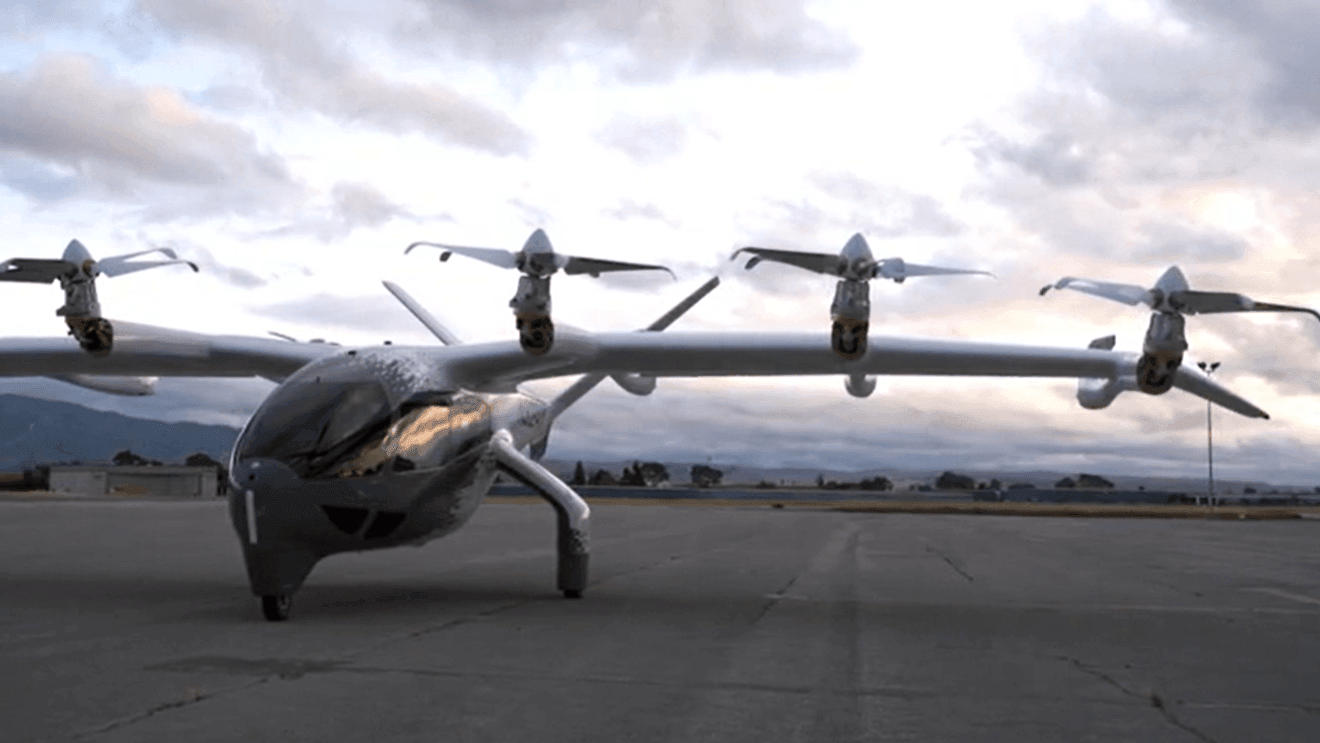
At the center of that vision is Archer’s aircraft called Midnight — an electric vertical takeoff and landing aircraft, or eVTOL.
The aircraft is built to carry up to four passengers and a pilot, traveling at speeds up to 150 miles per hour. It’s also designed to be significantly quieter than helicopters and produce zero direct emissions, making it a more sustainable option for short regional trips.
Archer says Midnight is specifically designed for quick, back-to-back flights between destinations roughly 20 to 50 miles apart — distances that match many South Florida commutes.
The company has already completed hundreds of test flights and recently began piloted demonstrations, marking a major step toward real-world use.
Safety is a major focus for the company. Archer says its aircraft will follow all Federal Aviation Administration regulations and include modern safety technology — such as systems that help pilots avoid other aircraft and monitor weather conditions in real time.
Before passengers can hop on board, however, the aircraft must receive approval from the Federal Aviation Administration. Archer says it is now in the final stages of certification, including “for-credit” testing — one of the last steps before approval.
See also: Who qualifies as ‘Miss’? Transgender eligibility dispute draws scrutiny to Miss America
There is also momentum at the federal level.
In 2026, the U.S. Department of Transportation and the FAA selected Archer’s partners in Florida, Texas, and New York to participate in a new federal program aimed at fast-tracking electric air taxi operations.
The program is designed to create real-world testing environments and help launch service in phases — something Archer compares to a “Waymo moment” for the aviation industry.
Archer has announced plans for an air taxi network in Miami, with the potential to expand across South Florida.
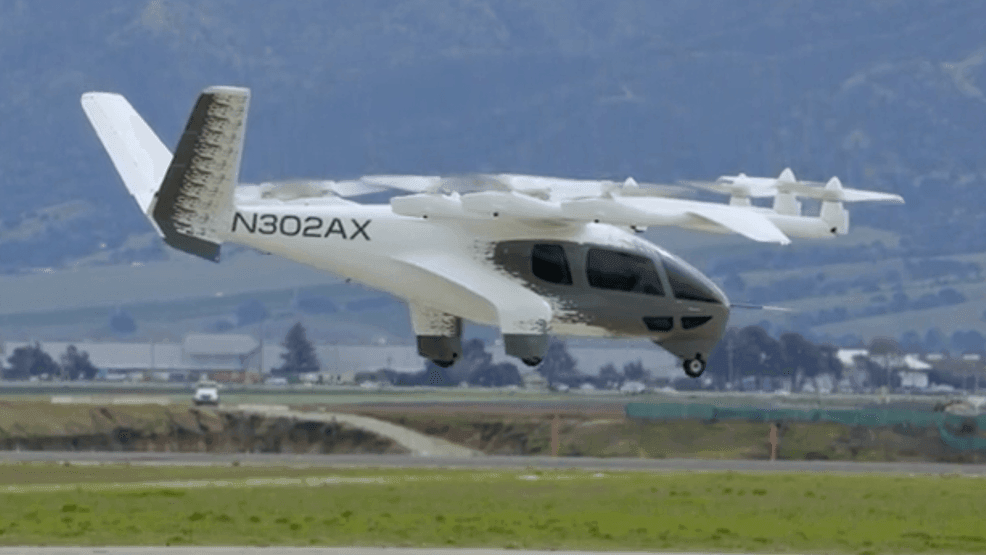
Archer Aviation says the future of transportation may be closer than many think — and it could take off right here in South Florida. (Archer Aviation)
The company also says rides would be booked through an app — similar to calling an Uber — with prices expected to be comparable to an Uber Black.
The company says its goal is to make pricing competitive with ground transportation.
“This is the next chapter of aviation I think people in Florida are going to love it and enjoy getting their time back and not sitting in traffic,” McCaffrey said.
To start, flights would operate out of existing airports and helipads — with plans to expand to rooftop takeoff and landing sites known as vertiports.
One of those vertiports is expected somewhere in downtown West Palm Beach, with additional locations planned at major airports and destinations across South Florida — including near Hard Rock Stadium in Miami Gardens and Apogee Golf Club in Martin County.
The company says the aircraft is also designed to be significantly quieter than helicopters — with a soft “whooshing” sound that blends into the background.
“It’s really quiet a hundred times quieter than a helicopter,” McCaffrey said.
Archer has partnerships with major airlines, including United and Southwest, which could eventually help integrate air taxis into existing travel networks.
For now, the concept may sound futuristic — but with testing already underway and federal support in place, electric air taxis are moving closer to becoming a reality in South Florida skies.
The rollout is expected to start small, with early operations potentially beginning as soon as 2026 as part of a federal program — though passenger flights will still depend on final approval.