


Amy Burke
AB2_1338.jpg_web.jpg
Amy Burke
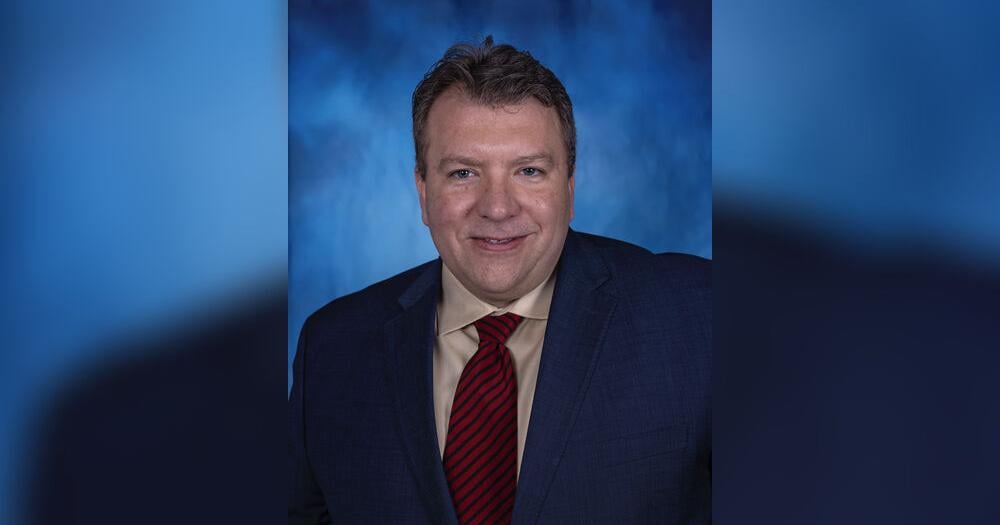
Michael McNamara is the treasurer of Butler County.
In the Miami Valley, as in the rest of Ohio, taxpayers are asking tough questions.
Rising property values have caused higher tax bills, particularly hitting retirees and fixed-income households in the Miami Valley. For many, this isn’t just an inconvenience, it’s a personal crisis. And as state leaders fail to respond meaningfully, a movement to abolish property taxes has emerged.
Whether this ballot initiative makes it to a statewide vote, local governments have a duty to plan for what happens if voters say yes.
If property taxes were eliminated, citizens would still demand services.
And still, very few local governments across Ohio are taking steps to prepare. That’s a serious concern.
I don’t write this from a place of panic, but from experience. As Treasurer of Butler County, I serve as collector of property taxes, Chief Investment Officer, Land Bank Chair, and the fiscal hub for county revenue. We saw this coming three years ago when skyrocketing property values triggered tax increases. We held tax summits in 2023, 2024, and 2025 with local leaders and state legislators to brainstorm solutions. Little legislation of substance came from the state.
The state failed to simplify the property tax system in a way that a high school graduate could understand. The state still allows for permanent and continuous levies so that something we vote for today will still have to be paid by our descendants a hundred years from now whether it is necessary or not. And they did not address issues of taxation without representation by agencies like the Miami Conservancy District.
Meanwhile, voter frustration turned into momentum. Here we are—with a property tax abolition movement no longer limited to social media or town halls, but on the edge of statewide ballot access.
On Feb. 10, Butler County Commissioners became one of the first governing bodies in Ohio to authorize a workgroup to explore how services could continue without property taxes. Could some services be privatized? Could direct billing or regionalization work? These are the kinds of options we must explore.
The absence of fire protection could have devastating ripple effects. Insurance companies may cancel policies in jurisdictions that no longer guarantee coverage. Without insurance, mortgage companies may call loans or raise premiums to unsustainable levels. Suddenly, the tax debate becomes a housing crisis.
We can’t let that happen.
To be clear: I’m not advocating for or against the proposed amendment. I’m advocating for leadership. For responsibility. For governments to treat their taxpayers with the respect they deserve—not by lecturing them, but by listening to them and planning for all possible outcomes.
Some fear that planning sends the wrong message—that it legitimizes the abolition effort. But it doesn’t. It sends the message that local governments are proactive, thoughtful, and committed to continuity regardless of what voters decide.
And if the amendment never reaches the ballot? The planning process itself can uncover inefficiencies, eliminate duplication, and prompt long-overdue fiscal reforms. Governments may find smarter ways to do more with less.
In an age of distrust, planning rebuilds trust.
To my fellow public officials across the Miami Valley and Ohio: Now is the time to act. The governments that plan will be the governments that survive and thrive. The ones that don’t will face chaos, confusion, and possibly collapse.
Let’s meet this moment with clarity—not panic. With empathy—not arrogance. And with preparation—not paralysis.
Michael McNamara is the elected Treasurer of Butler County, Ohio, overseeing county banking, investments, and tax administration. He serves as Chairman of the Butler County Land Reutilization Corporation (Land Bank). He regularly engages in policy discussions involving government finance and taxpayer impacts.