
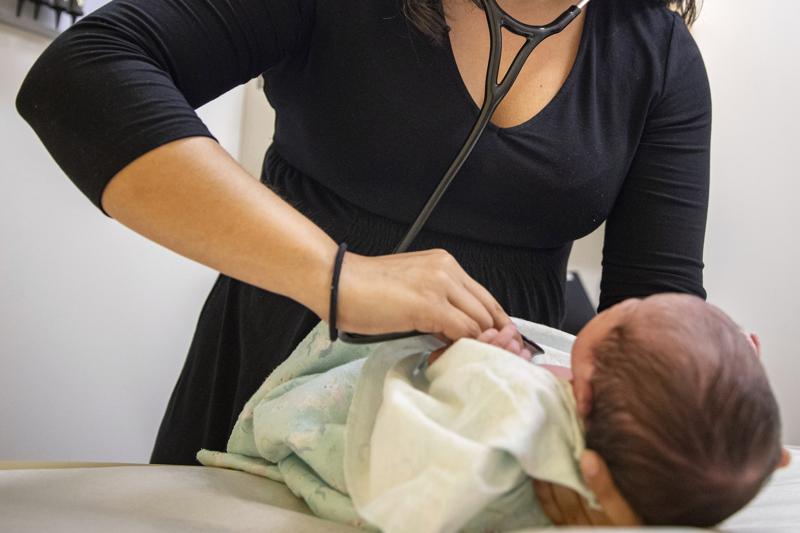
A group of Florida pediatric providers is warning they have only weeks of operating runway left, saying a Medicaid funding shift has diverted dollars from routine pediatric care to cover Applied Behavior Analysis, or ABA.
The shift dates to February 2025, when Florida moved its ABA benefit into Medicaid managed care. Since then, providers say, funding for routine pediatric care has been redirected to cover ABA services even though ABA is provided to only a very small portion of the Medicaid population.
Florida, like several other states, had seen its Medicaid ABA spending grow rapidly in recent years, and federal and state investigators have documented schemes in which providers billed for services that were not delivered or were performed by unqualified staff. Moving ABA into managed care was, in part, an attempt to give health plans tighter control over provider enrollment and service authorizations.
The concern lands against a backdrop of active state attention to Medicaid fraud. Attorney General James Uthmeier and Agency for Health Care Administration (AHCA) Secretary Shevaun Harris announced a new Public Assistance Fraud Task Force this month, with Harris pledging her agency’s full support for prosecuting those who defraud programs like Medicaid.
Pediatric providers contacted for this article expressed support for the task force and said the state’s enforcement efforts are welcome. Rooting out fraudulent billing, they said, is essential to restoring the integrity of the program. But they also said that enforcement alone will not close the funding gap that has opened for routine pediatric care. Without a correction to how rates are set, they said, some practices may not survive long enough to see the fraud problem solved.

C. Baker Wright, Ph.D., BCBA-D, a Tallahassee-based behavior analyst and owner of Behavior Management Consultants, Inc., has followed the transition since the state first signaled the shift. He said the underlying concern about fraud is legitimate and widely shared among clinicians.
“Behavior analysis is about quality, not quantity,” Wright said. “Behavior analysis services are highly individualized, and not every child needs 30-plus hours a week of therapy to be effective. Although this is not the only practice contributing to the problem, it is one of them. The fraud problem is real, and it needs to be addressed.”
One of the solutions to the fraud and waste problem, Wright said, is a better controlled and managed authorization system, within which there are tighter controls on how many hours are authorized based on the individual clinical need of each child, rather than across-the-board rate adjustments.
In his own experience, the managed care transition squeezed smaller providers out of networks when plans offered to contract at 80% of Medicaid’s already-low rates. Smaller practices doing lower-hour, higher-quality work walked away from those contracts. Higher-volume operators, which tend to bill for more therapy hours at lower pay rates for their technicians, absorbed the cut or were more powerful in negotiating higher rates.
Wright said he has seen cases where well-delivered therapy makes a meaningful difference for individual families. He described working with a young nonverbal child with aggressive behaviors whose family had been unable to go out together for years. After treatment focused on communication, social skills and behavior reduction, the family sent his team a photo from the beach. He described this simple family selfie as “a life-changing event for them.”

Wright said the access question cuts both ways. ABA providers work best when they are coordinating with a child’s pediatrician — sharing data on behavior, communication and response to medication changes that helps both sides make better decisions.
“That relationship can be a deal-maker for these families,” he said. When the broader pediatric care system is under financial strain, he said, those partnerships get harder to sustain.
Providers who work with children on Medicaid say the ABA access issue and the routine pediatric funding issue are connected but distinct: Both flow from the same managed care transition, both affect families who depend on Medicaid, and neither is served by the current rate structure.
Providers say they have raised the pediatric rate concerns with state officials, and that the Governor’s Office has signaled a willingness to engage. Conversations with health plan executives have begun and, while AHCA has not yet issued a public response, several communications directed to Medicaid Managed Care plans in recent months have sought to gain more understanding as to the nature of the issue and find resolution. Even with state support, Medicaid Managed Care plans will need to reach agreement with providers on how to reallocate funding to solve this shortfall.
Providers say the imbalance can be corrected without disrupting the broader program and without reducing support for the families who rely on ABA. Any correction would need to ensure that funding for routine pediatric services reflects the actual costs of delivering that care in each community, rather than being absorbed into a statewide average that presumes the wrong pattern of utilization.
But without a correction, providers warn, Medicaid-serving pediatric clinics could be forced to close or consolidate, narrowing access to basic care for some of Florida’s most vulnerable children before most families realize what has changed.
State inaction, they say, would cause lasting damage to children’s wellbeing and to the providers who care for them, and would add pressure to Florida’s broader healthcare system in ways that reach well beyond Medicaid.