
SUWANNEE COUNTY, Fla. – A proposed water treatment plan could send millions of gallons of treated wastewater from Jacksonville into North Florida rivers — raising both hope and concern among residents, environmental advocates and water management leaders.
Supporters say the project is a necessary solution to growing water demands driven by an ongoing drought.
Environmental advocates, however, are raising questions about water quality and the potential impact on communities that depend on those waterways for drinking water and recreation.
Near-record drought
North Florida is facing serious water supply challenges. Hugh Thomas, executive director of the Suwannee River Water Management District, says conditions are severe.
“Currently, we are in a near-record drought,” Thomas said.
To address those conditions, water management leaders say they are turning to an already available resource: highly treated reclaimed water.
Michael Register, executive director of the St. Johns River Water Management District, explained the WaterFirst Northport project in detail.
“The WaterFirst Northport project has basically taken a resource that we have, which is highly treated reclaimed water. We take that water, purify it even further so that it meets drinking water standards and is actually cleaner than the water that’s in the aquifer now, and then find the appropriate place to recharge it so that we get the most benefits for our springs,” Register said.
How recharge works
After purification, the water would be returned underground through a process known as aquifer recharge, which helps sustain river flows and maintain regional water supplies.
The plan was approved in November 2025 and is currently in a research phase that leaders say could take up to 10 years before full implementation.
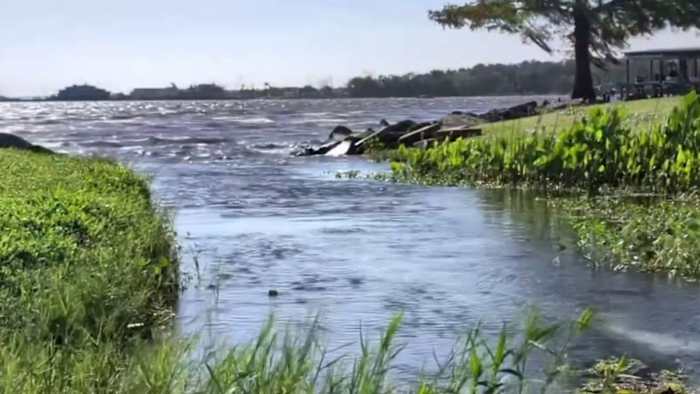
The Ichetucknee River — fed by its famous springs — is part of the Suwannee River Basin, where reclaimed water from Jacksonville would flow into the aquifer system.
Critics call for transparency
Not everyone is convinced the plan is without risk.
John Quarterman, Suwannee Riverkeeper and executive director of the organization, says the economic and environmental stakes are too high to move forward without full transparency.
“The biggest industry in Florida is tourism. In the Suwannee Basin, the biggest place people go for tourism is the springs and rivers. If those are damaged, it’s a major effect on the economy,” Quarterman said. “If there actually are contaminants in that wastewater that then comes back up in people’s drinking water wells or affects the wetlands or springs or rivers, that’s a big problem for people, for the wildlife.”
Water management leaders are pushing back on concerns about what “treated wastewater” actually means.
Register says the label shouldn’t alarm people.
“By the end of the treatment process, it’ll be clean water that you can drink. That’s why it meets drinking water standards,” Register said.
Thomas echoed that sentiment, framing water quality as a personal priority — not just a professional one.
“As a resident of this district, certainly the quality, and that’s one of the core missions of the water management district, the quality of our water resources is of utmost importance. As a father and grandfather here, the water quality that we have in our district is of utmost importance to me,” Thomas said.
What’s next
Environmental advocates say they will continue pushing to verify there are no contaminants in the water before the project moves forward. Water management leaders say the plan will not advance until the research phase is complete.
Copyright 2026 by WJXT News4JAX – All rights reserved.