
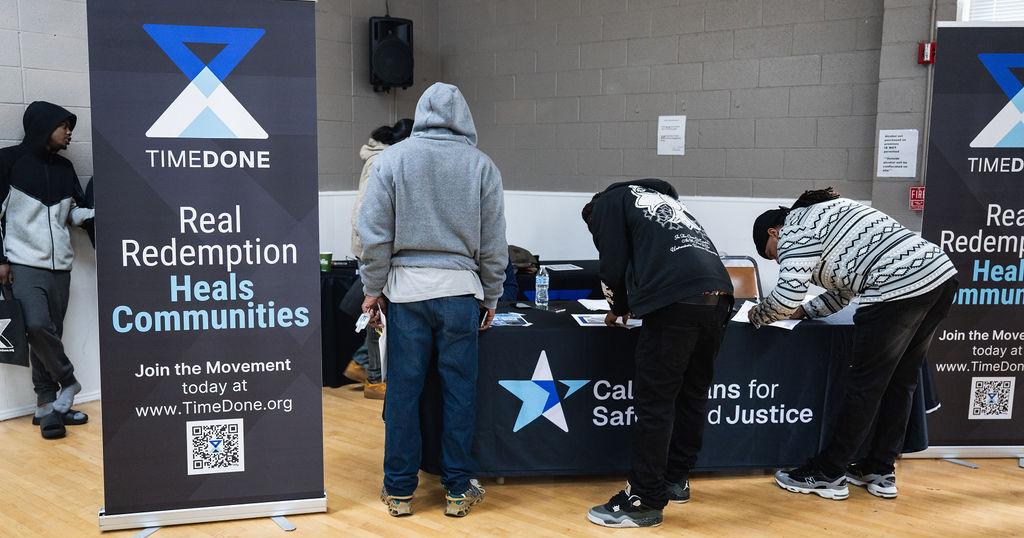
A national advocacy organization is working to help Miami-area residents overcome the long-term impacts of having a criminal record by offering resources and support at an upcoming event.
According to a press release, individuals with criminal records in Florida face 1,465 lifetime barriers affecting access to housing, employment, education and other essential resources, often creating lasting challenges regardless of when the offense occurred.
TimeDone, described in the release as the nation’s largest community of people with past records, will host a free record-sealing clinic on Thursday, April 23. The event will take place from 10 a.m. to 2 p.m. at St. Thomas University School of Law’s Convocation Hall in Miami Gardens.
The organization is partnering with the Florida Justice Center to connect attendees with services including record expungement assistance, employment resources, legal aid and mental health support. Organizers expect hundreds of justice-impacted residents from the Miami area to participate.
Featured at the clinic will be Saad Soliman, TimeDone’s national director, who is an advocate for reentry and criminal justice reform.
The event is part of the broader Bank on 100 Million Miami Hackathon, hosted by Mission: Launch in partnership with the REFORM Alliance.
TimeDone reports having more than 275,000 members nationwide, including over 35,000 in Florida. The organization provides access to record change support, financial education, job opportunities, leadership training and mental health services.
The press release also cites data from the National Inventory of Collateral Consequences, which identified 2,079 state and federal legal barriers tied to having a criminal record in Florida. These barriers can limit access to housing, financial institutions, adoption opportunities and civic participation, among other areas.
TimeDone leaders were involved in the passage of House Bill 7125 in 2019, legislation that introduced initial steps toward automated record changes for certain low-level offenses. However, the organization states that additional reforms are still needed to address ongoing barriers faced by individuals with past convictions.
The organization continues to advocate for policy changes aimed at reducing post-incarceration poverty and expanding opportunities for people seeking a fresh start.