
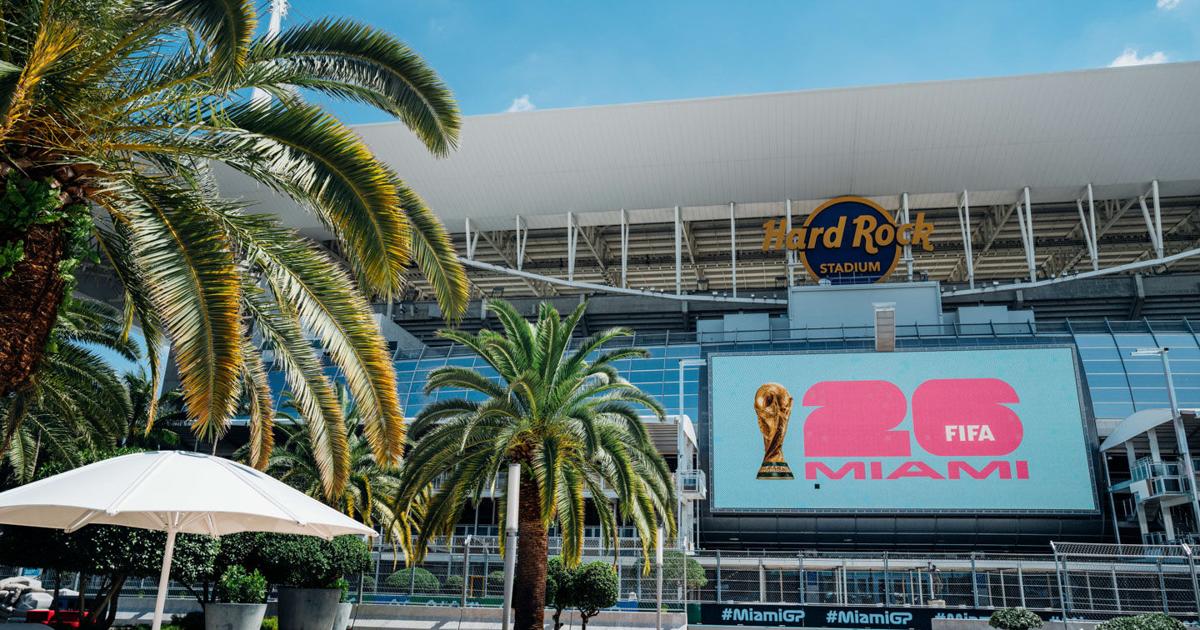
Since the announcement of the FIFA World Cup 2026, Miami has been buzzing with excitement. Talk of global visitors, marketing campaigns, and economic boosts fills the air. There’s also been a big push for interns and volunteers, the people who give their time and energy to make moments like this possible.
Interns and volunteers are the heartbeat of major gatherings. They guide guests, support logistics, and bring warmth to the city’s welcome. They represent the best of service and humanity. Miami will need them in large numbers, and their contributions matter deeply.
By the same token, here’s what appears to be missing from the broader conversation: there hasn’t been nearly enough focus and outreach to local small businesses.
The same way that volunteers make the World Cup possible, small businesses make it Miami. They are the chefs, caterers, drivers, vendors, and creatives who give Miami its flavor. Their involvement would not only create jobs and economic prosperity but also show the world what true inclusion looks like.
Right now, many small business owners are hearing about volunteer sign-ups, but not about how they can contract, partner, or sell during the games. That gap matters. Without access and visibility, the World Cup’s benefits could bypass the very communities that keep this city alive.
Some of our local elected leaders are stepping up to help level the playing field. Earlier this year, Miami-Dade County Commissioner Marleine Bastien hosted a business briefing to prepare entrepreneurs for the influx of opportunities expected during the World Cup. Building on that momentum, City of Miami Commission Chairwoman Christine King is bringing local entrepreneurs to the table with the Small Business Opportunity Workshop on Wednesday, Oct. 29, from 11 a.m. to 2 p.m. at Mindspace Wynwood, 2916 N. Miami Ave. The goal is simple: to ensure local entrepreneurs don’t get left out of the game.
These events give small businesses a seat at the table. They opens the door to vendors, suppliers, and service providers who want to be part of the action. They are an example of the kind of equity the NAACP’s Civil and Human Rights Framework for the World Cup 2026 calls for — one where host cities commit to inclusion, transparency, and fair access for all.
The framework challenges local leaders to guarantee that economic opportunities reach every neighborhood. It calls for fair labor practices, protections for workers, and intentional outreach to minority-owned and women-owned businesses. These aren’t lofty ideals. They are basic expectations of fairness.
Miami can set the standard. Miami’s Clean Zone proposal, which outlines where and how commerce can happen during the Fan Festival, should reflect that same commitment to fairness. Regulations should protect public order, yes, and they should also protect and promote access for local businesses. A world-class event deserves world-class equity.
Now is the moment for collaboration. City officials, business leaders, and community advocates can come together to develop policies that benefit everyone. That includes clear rules, accessible permits, and multilingual outreach so no one is left guessing how to participate.
When the world arrives in 2026, Miami should show more than its skyline. It should show its values: community, inclusion, and opportunity for all.
Volunteers will bring the heart. Small businesses will bring the soul. Together, they’ll show the world that in Miami, fair play means everyone wins.
Daniella Pierre is a community advocate and president of the Miami-Dade County Branch of the NAACP, where she has served as an active member since 2011.

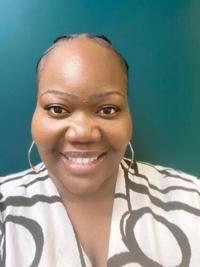
Daniella Pierre
(Courtesy of Daniella Pierre)