
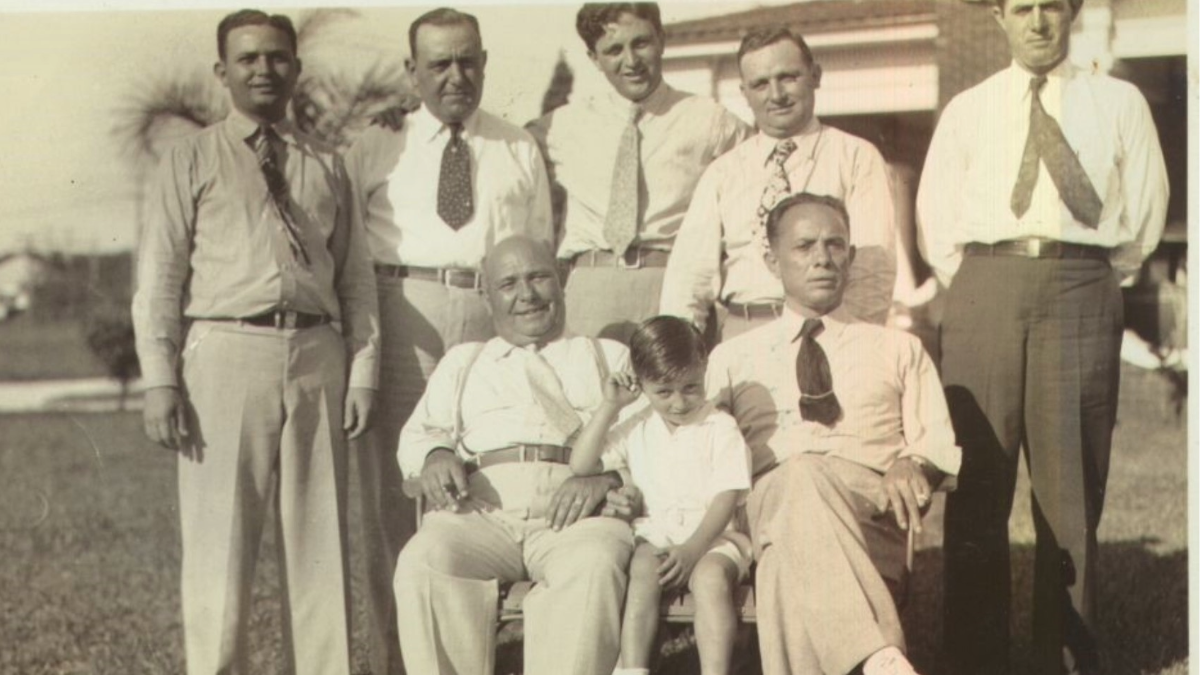
When federal agents arrested NBA head coach Chauncey Billups and Miami Heat guard Terry Rozier in a sweeping gambling investigation, the story reached from NBA arenas to the shadows of American sports history.
Allegations of rigged poker games tied to the mafia and insider betting shook the league and revived an old question. Has organized crime really gone away?
Echoes from Tampa’s past
For Scott Deitche, a Tampa author who has spent decades studying the city’s underworld, the headlines were more echo than surprise.
He called the operation a classic mob scheme, modernized with technology that allowed cheaters to read marked cards through X-ray lenses and rig shuffling machines. What stood out to him was not the novelty but the continuity.
“I was a little surprised at the level of sophistication of some of the methodologies they used for it,” he said.
READ: Tampa-based Melting Pot brings fondue to grocery stores nationwide
The FBI said players used contact lenses that could read marked cards and machines that reshuffled decks in their favor, a modern echo of the weighted bolita balls that once tilted odds in Ybor back rooms.
“Even though they dabbled in bootlegging during Prohibition or narcotics, gambling was always the bread and butter, the lifeblood of organized crime in Tampa,” Deitche said.
The numbers game
That culture began with bolita, a simple lottery game once played in cigar factories and neighborhood bars across Ybor City and West Tampa. Players bet on numbered balls pulled from a sack.
The game was illegal, but it flourished for decades, protected by payoffs to police and politicians. Before the Florida Lottery was created, bolita fueled a local economy that blurred the line between entertainment and enterprise.
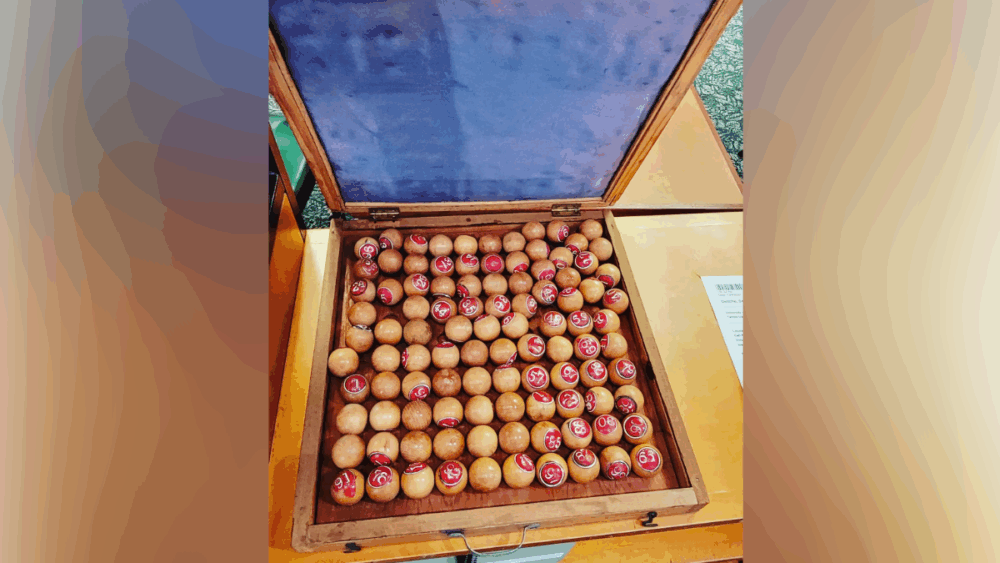 A vintage set of bolita balls, once used in Tampa’s underground lottery games. The numbers were drawn from a sack in Ybor City’s cigar factories and bars, fueling one of the city’s earliest gambling traditions.
As the city grew, so did the stakes. By the mid-20th century, Tampa’s gambling operations extended beyond bolita into poker rooms and underground casinos.
The FBI’s “Operation Super Bowl” in the early 1980s exposed dozens of illegal betting parlors. The names behind them, Deitche noted, often led back to the same figures who defined the city’s mob era: Santo Trafficante Jr., his brother Henry and associates like Nick Scaglione.
Control the odds
When news broke that the recent NBA poker ring had alleged mafia ties, Deitche said it fit a familiar template.
“They always looked for ways to control the odds,” he explained. “Whether it was a loaded bolita ball or a rigged card deck, it was about making sure the house won.”
READ: South Sarasota gets new 325-unit luxury apartment complex
While Tampa’s mob had deep business roots, it was not without violence. Between 1930 and 1959, the city saw more than 50 killings, attempted assassinations and other acts of gangland violence, including the still-unsolved 1955 murder of crime boss Charlie Wall.
The house always wins
The difference, Deitche said, is that today’s gambling world belongs to publicly traded companies, not neighborhood bosses. Legal sports betting and digital casinos have replaced back-room games with smartphone apps. Yet even with oversight and technology, old temptations persist.
“The mob used to run casinos in Havana,” he said. “They knew how to make gambling legitimate. What’s changed is scale. Now the major players are multinational companies with compliance departments. But as this NBA case shows, there’s always someone who sees a way to beat the system.”
Deitche pointed out that Trafficante and others had already tested that transition decades earlier. “They were running legitimate casinos in Havana,” he said. “They weren’t doing stuff illegal. They were running them above ground.”
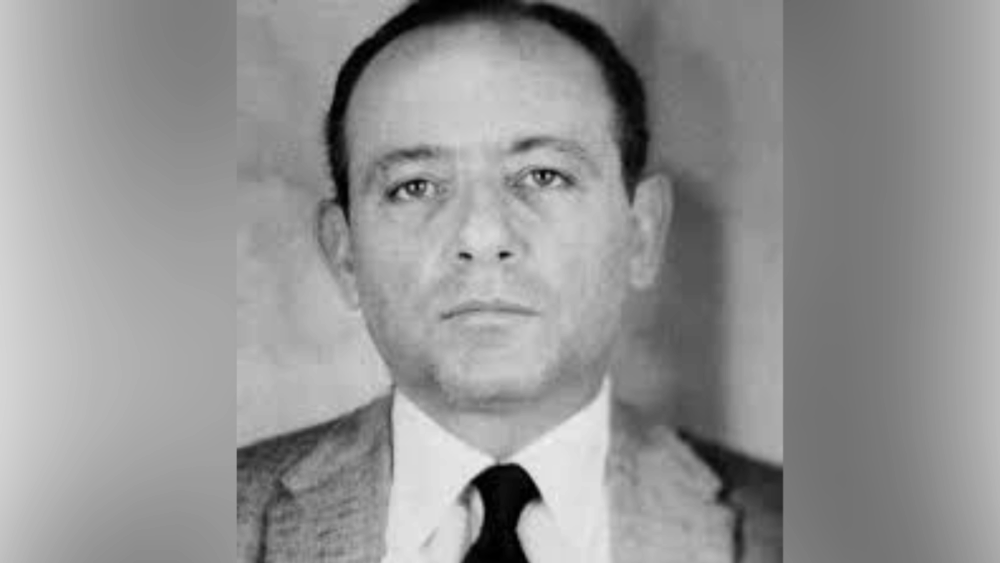
 Henry Trafficante, brother of mob boss Santo Trafficante Jr., was a key figure in Tampa’s gambling operations during the mid-20th century.
From cigar rooms to boardrooms
Florida’s own relationship with gambling mirrors that tension. The Seminole Tribe’s Hard Rock brand is one of the most visible success stories of legal gaming, turning a once-taboo industry into a global hospitality empire.
READ: Tampa General expands in Citrus County with new 53-acre site
Its presence in Tampa stands as a symbol of how the business evolved from hidden rooms to billion-dollar resorts. Yet scandals like the NBA case test the industry’s credibility, challenging how regulators, investors and fans define integrity in an era when the line between sports and betting keeps blurring.
New tech, old tricks
Deitche said the parallels between the current investigation and Tampa’s history extend beyond crime. Both reveal how profit and secrecy attract each other.
“There’s always been a gray area where money moves faster than rules,” he said. “Technology doesn’t change that, it just changes how it looks.”
The FBI’s description of Billups’ poker operation — complete with mafia intermediaries, rigged machines and digital cheating tools — recalls the underground casinos once raided along Howard Avenue and West Tampa’s side streets. The scale is national, but the story is old.
Fading shadows
Tampa’s mob influence began to fade by the late 1980s, after the death of Trafficante Jr. and a wave of federal prosecutions.
What remains are traces — family stories, old photographs and the quiet knowledge that organized crime shaped the city’s early economy.
READ: Bojangles returns to Tampa Bay Nov. 4 with new restaurant
Deitche said that while the traditional Mafia no longer operates in Tampa, the instinct for control survives in new forms.
“Today you see it in drug networks, cybercrime, even corporate fraud,” he said. “The players change, but the mindset is the same.”
The stakes remain
The NBA investigation may not reshape the league, but it highlights a truth that Tampa’s history has shown for a century. Whenever there is money to be made through uncertainty, someone will try to tilt the odds.
The case also reflects a paradox that business leaders and regulators continue to confront.
Legalization doesn’t eliminate corruption; it just raises the stakes. From bolita tickets printed in Ybor back rooms to online prop bets placed with a tap of a phone, gambling’s appeal remains constant. What changes is who controls the game and how transparent they are about it.
For Tampa Bay’s business community, that question of transparency is not limited to sports. It echoes through boardrooms, investment firms and startups that depend on public trust. The history of gambling in this city — from hand-drawn numbers to rigged poker hands — reminds us that the line between ambition and exploitation has always been thin.
Stay Connected