
ORLANDO, Fla. — Economists say in the past year or so, the amount of money the U.S. government took in from President Donald Trump’s increased tariffs sits at around $166 billion.
But following a U.S. Supreme Court decision that found Trump’s tariffs were unconstitutional, that money will now be going back into the pockets of those who paid them.
What You Need To Know
In February, the U.S. Supreme Court ruled that the tariffs imposed by President Donald Trump were unconstitutional
Following the decision, a refund system for business owners who paid tariffs launched earlier this week
Despite small business owners and consumers indirectly paying the price of the imposed tariffs, the refund system only applies to those businesses that paid the tariff directly
Economists say that up to $166 billion is expected to be returned to businesses that paid the tariffs
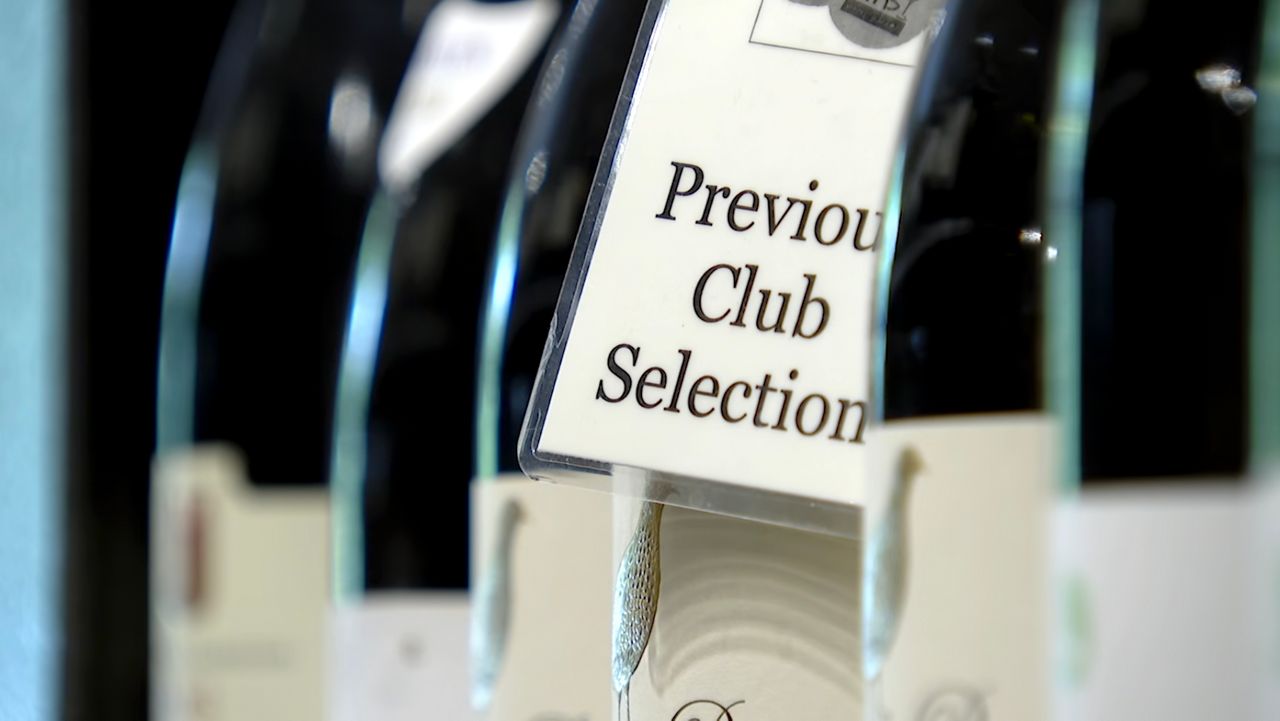
Tim’s Wine Market owner Tim Varan, who has been in business since the early 90s, said he has pretty much seen it all.
He said that at one point he saw the wine business boom after studies suggested that with the Mediterranean diet, drinking wine often would help you live longer.
Then came the recession, followed by the COVID-19 pandemic, and then Trump’s tariffs, which created their own set of challenges.
“The reality is, this has gone on for over a year, and so as a result people have to start making money at some point in time,” said Varan. “That 15% was initially imposed, now it’s 10%. And you know, that’s absorbed by the American consumer now.”
With imported wines from Australia, Africa, Spain, France and other corners of the world, Varan said some importers initially tried to absorb the cost when tariffs were first imposed. However, eventually those increases trickled down to him and the consumer.
“This is $20,” he said of a bottle of wine. “Three years ago it was $12. It has a lot to do with supply and demand, but also the tariffs.”
The recent launch of a refund system by the U.S. Customs and Border Protection to distribute tariff refunds promises some relief to businesses. However, when he read the eligibility requirements, Varan said he and many other small business owners who pay importers or distributors would not be eligible.
“You purchased a product from a company overseas, it came into the U.S. and at that point the tariff was charged,” explained Rollins College business professor Mark Johnston. “That company is the company that is allowed to apply for the refund.”
Johnston said the program would most likely not benefit small business owners if they paid higher cost to a distributor who actually paid the tariffs for the products to be imported. While Varan said he would love to see those returns trickle down to everyone affected, he said he’s prepared to never see that money.
“There’s no chance it’s going to trickle back through the distribution system, and I’m not going to have someone hand me a check and say here give the money back to your customers,” he said. “It just isn’t going to happen.”