
St. Petersburg is pressing forward with a roughly $165 million overhaul of the city’s municipal marina, but questions remain about how the project will be fully funded and the potential displacement of a waterfront restaurant and liveaboard tenants.
City staff outlined a phased approach to rebuilding the marina — which is located adjacent to the St. Pete Pier — during a Public Service and Infrastructure Committee presentation this week.
The effort was first proposed as a public-private partnership, but plans have since changed. Mayor Ken Welch‘s administration selected Safe Harbor for the project in 2023 but ended negotiations in June after the company was acquired by new ownership in February, according to reporting from Mark Parker of St. Pete Catalyst.
Officials have since pivoted to a city-led effort focused on a larger scope of work that have ballooned costs up to $165 million, contrasting the proposal with prior developer-led plans that ultimately fell through. Staff said the city is designing the marina as a long-term public asset, rather than a shorter-term private investment.
“We’re doing a full sea wall replacement, plus we’re replacing the Demens Landing Bridge for $54 million,” Engineering Director Brejesh Prayman emphasized during Thursday’s committee meeting.

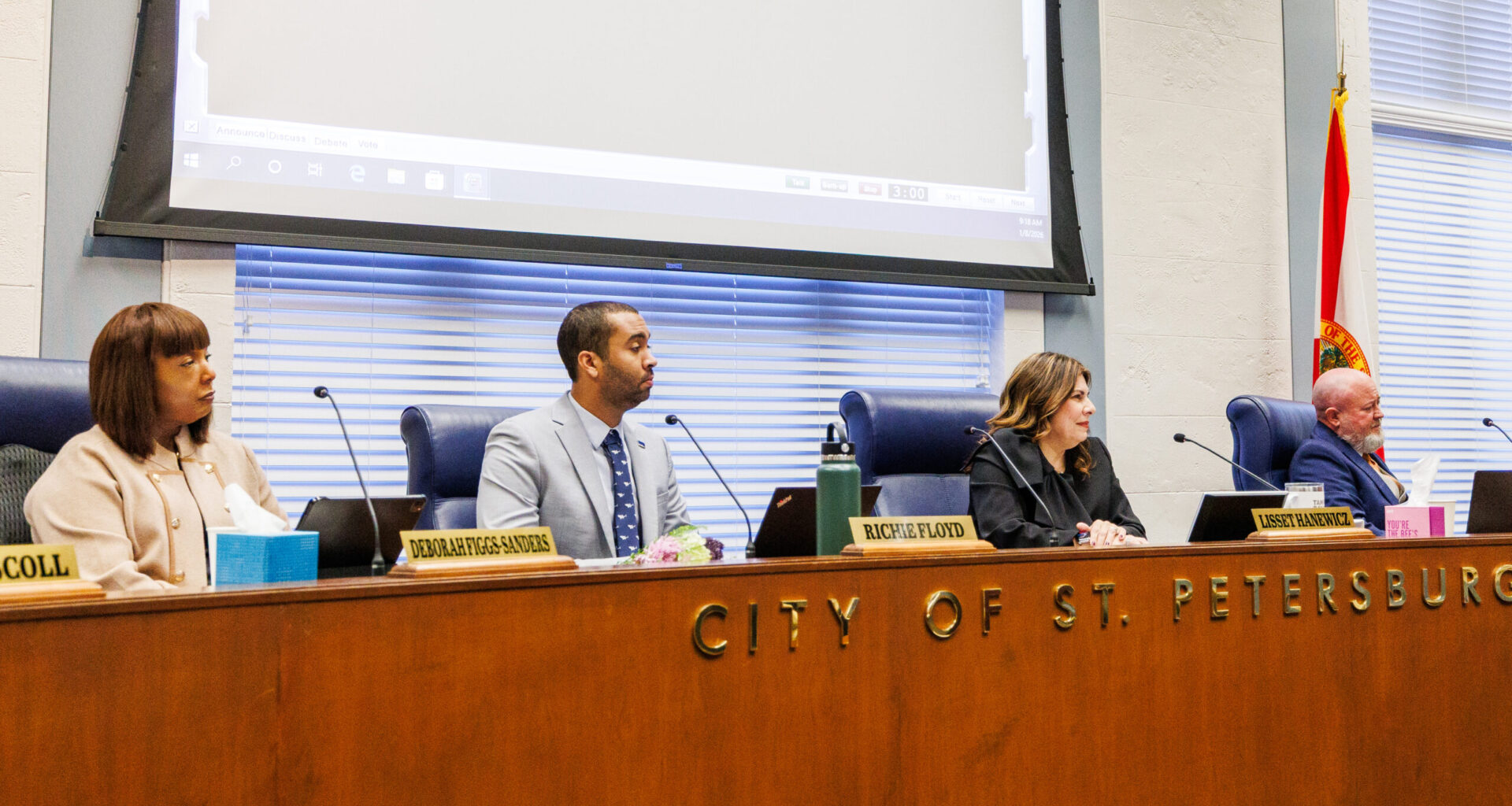
No votes were cast at the meeting, and the proposal will still return to the committee in the future before advancing to consideration from the full City Council. Despite general support, some Council members on the committee raised concern about a funding gap for the project and the displacement of a decades-old restaurant.
The city’s approach relies on a phased construction model, with officials saying they do not intend to seek approval for the full $165 million project at once. However, only about $65 million funding has been identified, with the remainder expected to be supported through marina-generated revenue and other funding sources.
District 2 Council member Brandi Gabbard questioned whether the city could realistically complete the project without overextending itself. She indicated that she may end up the lone “no” vote on the project.
“The total is $165 million, okay, so what’s going to happen in 2032 if we’re moving forward and we don’t have that money anymore, that money’s been exhausted,” Gabbard said. “Where are we planning on getting the money to complete this project?”
Staff indicated plans to use marina revenue to cover the debt service for the project, but Gabbard remained concerned that the revenue could fall short — necessitating additional city funding in the future from other sources.

“I’m still not there with us doing this project, myself, so it’s going to take a lot of work to get me there. I might be your only ‘no’ and that’s okay. You all know how to count votes, so you know, do with that what you will. But I am very skeptical,” Gabbard said.
District 6 Commissioner Gina Driscoll pointed to a long-standing waterfront restaurant that could be displaced during construction. She did not name the restaurant, but the fate of Fresco’s Waterfront Bistro has been long tied to project plans.
“I have a lot of concern for this restaurant being displaced, this is a restaurant that’s been in business for more than 20 years,” Driscoll said. “I really need to learn more about how we’re going to work with their restaurant in terms of helping with relocation during the construction process. We do need to have something there, and I want to make sure that we’re being respectful and honoring a longtime tenant.”
She also raised concerns about liveaboard residents who could be affected by phased construction, warning that some may have nowhere else to go if displaced.
“We’ve got to make sure that you’re leaving enough room to accommodate everyone, in particular liveaboard’s who would be displaced. There are folks there who would not have another place to go, and I want to make sure that as you work on the different phases they’re accommodated and inconvenienced as little as possible,” Driscoll said.