
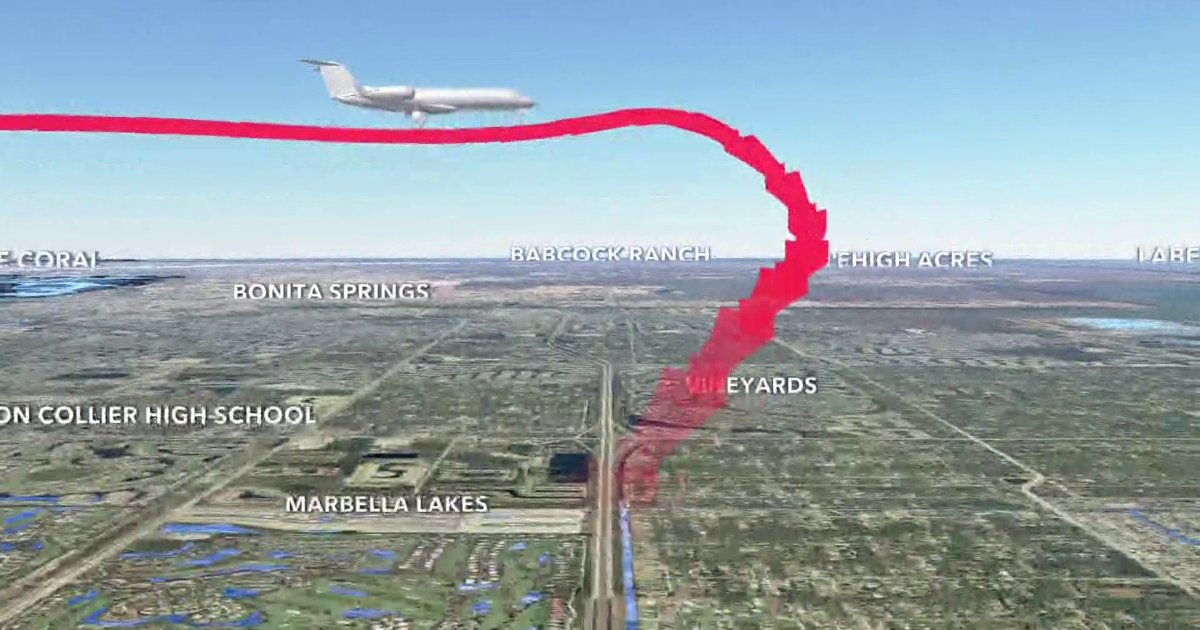
NAPLES, Fla. (WINK)– Two years, two months, and two weeks. That is how long the families of two pilots and the leadership at Hop-A-Jet have waited for an official explanation on what caused the deadly descent on I-75 in Collier County.
On Thursday, the National Transportation Safety Board (NTSB) released its final report on the deadly crash of Hop-A-Jet Flight 823.
Friday, in an exclusive interview with Chief WINK Investigates Reporter Chorus Nylander, Hop-A-Jet President Barry Ellis said the findings confirm what the company has long suspected: the pilots were left powerless by a mechanical failure that should have been preventable.
A Nightmare on the Interstate
In February 2024, the Bombardier Challenger 600 was on its final approach to Naples Airport when both engines failed simultaneously. With the runway just miles away, pilots Ian Hofmann and Edward Murphy were forced to attempt an emergency landing on the interstate.
While the aircraft clipped the median and burst into flames, killing both pilots, their maneuvers were credited with saving lives on the ground. A flight attendant and two passengers miraculously escaped the wreckage.
“The accident was two years, two months, and two weeks… it’s been a long process, but I know it’s been a thorough process,” Ellis told WINK’s Chorus Nylander. “We feel the NTSB got it right.”
The Findings: Corrosion and Missed Warnings
The NTSB report pinpoints the cause of the dual-engine failure to a catastrophic loss of oil pressure. Investigators discovered significant corrosion within the engine components, leading to a failure that left the crew with “zero power and zero options.”
Crucially, the report highlighted several red flags in the weeks leading up to the disaster:
“Hung Starts”: Twenty-five days before the crash, the plane experienced “hung starts”—a known warning sign of internal engine issues.
Inadequate Testing: The NTSB noted that a specific pressure test could have identified the corrosion, but previous testing standards were deemed inadequate.
The Legal Battle Ahead
The focus has now shifted from “why” the crash happened to who is potentially liable. Following the crash, engine manufacturer General Electric (GE) Aerospace established improved guidelines for mechanics to enhance corrosion testing. However, Ellis believes the industry needs to go further.
“We’re not sure we feel the steps are sufficient and feel they should have more of a regulatory requirement,” Ellis stated.
Hop-A-Jet is currently engaged in an ongoing lawsuit against GE. They aren’t the only ones seeking justice; the family of pilot Ian Hofmann previously filed suit against both GE and the plane’s manufacturer, Bombardier. That legal action had been put on hold pending the release of this final report.
While the Hofmann family’s attorney declined to comment as they review the new findings, Ellis remains steadfast. “We’re confident in the end we’ll reach a just conclusion,” he said.
Looking Forward
As the aviation community digests the NTSB’s findings, the goal remains prevention.
“Our thoughts still remain with the families of the pilots we lost,” Ellis said. “If we can do anything to prevent this from occurring again, we’re all for that.”
GE sent WINK Investigates the following statement:
“We offer our deepest sympathies to the families and loved ones of those who lost their lives in the Hop-A-Jet accident. We will carefully review the NTSB’s final accident report and are committed to taking all necessary steps to ensure the continued safety of our engine.” – GE Aerospace Spokesperson