
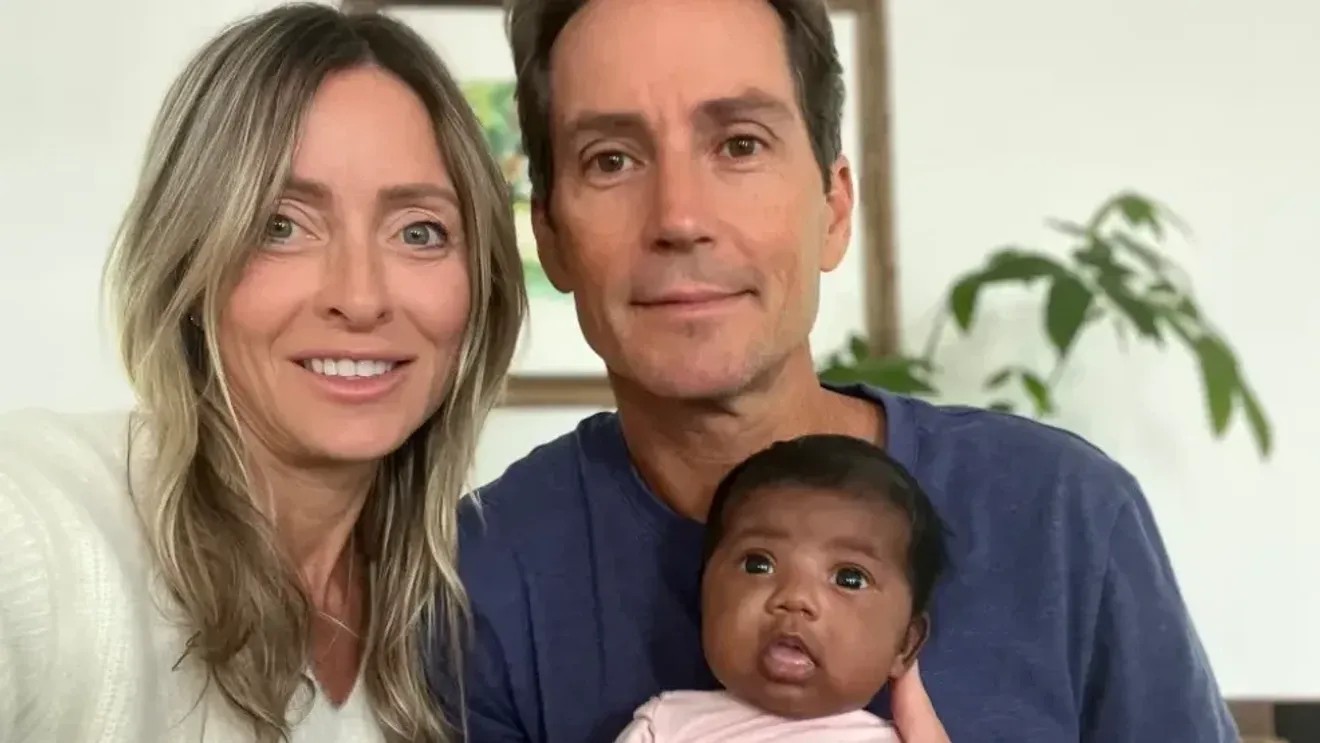
LONGWOOD, Fla. (CBS12) — A Central Florida couple at the center of a high-profile IVF mix-up has confirmed that genetic testing has identified the biological parents of the baby girl they gave birth to late last year, marking a major development in their ongoing legal battle with a now-shuttered fertility clinic.
Tiffany Score and Steven Mills announced Tuesday that DNA testing has confirmed the identity of their daughter’s genetic parents, months after the couple learned the child they carried and delivered through in vitro fertilization was not biologically related to either of them. The results, released through their attorney, verified that another couple who had previously come forward is genetically connected to the baby.
The identities of the biological parents have not been made public, and Score and Mills said they intend to respect the other family’s privacy. The couple said the confirmation ends one chapter of what they have described as a devastating and emotionally complex ordeal, but leaves unresolved questions about what happened to their own embryos.
Score gave birth to the baby in December after undergoing IVF at the Fertility Center of Orlando, the clinic in Longwood has since closed amid multiple lawsuits. Shortly after the birth, Score and Mills noticed that the child did not physically resemble them. Subsequent genetic testing confirmed that neither parent shared a biological connection with the baby, sparking national attention and renewed scrutiny of fertility clinic safeguards.
After the mix-up became public, a second couple who had been patients at the same clinic came forward, saying they feared their embryo may have been mistakenly transferred. Both families agreed to DNA testing to determine whether there was a match. Those test results were delivered this week and confirmed that the other couple is the baby’s genetic parents.
See also: Roxy’s Pub faces court-ordered auction stemming from $1.17M personal injury judgment
In a written statement, Score and Mills said that while the discovery provides some clarity, it raises new and painful uncertainties, particularly surrounding the fate of their own embryos. They said they still do not know whether their biological child may have been implanted in another patient or if their embryos were mishandled or lost altogether.
Despite those unanswered questions, the couple emphasized their commitment to raising the child they have cared for since birth. They said they have always viewed the baby as their daughter and intend to continue parenting her, regardless of the genetic findings.
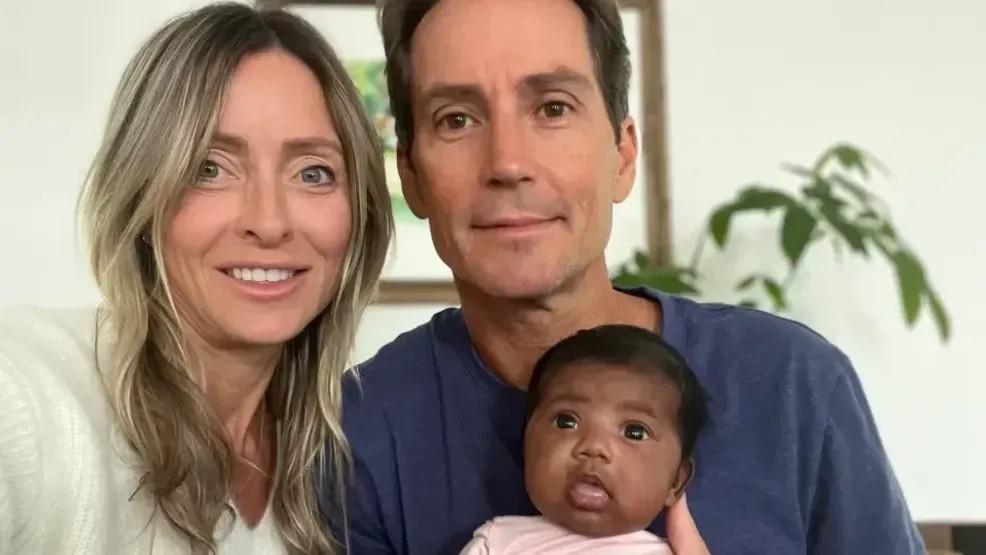
A Central Florida couple at the center of a high-profile IVF mix-up has confirmed that genetic testing has identified the biological parents of the baby girl they gave birth to late last year, marking a major development in their ongoing legal battle with a now-shuttered fertility clinic. (South Florida Sun Sentinel:Courtesy of attorney Mara Hatfield)
Attorneys representing the biological parents also released a brief statement acknowledging the results. The lawyer said his clients were only recently made aware that a biological child of theirs exists and is being raised by another family. He said they are still processing the information and are evaluating their options, declining further comment.
The Fertility Center of Orlando faces multiple lawsuits stemming from alleged failures in handling and labeling embryos. In court hearings earlier this year, attorneys representing former patients suggested that embryos may not have been properly identified during storage and transfer procedures. The clinic has not publicly detailed how the alleged error occurred and has ceased operations.
Legal experts say the case highlights growing concerns about regulatory oversight in the fertility industry, particularly as IVF use continues to rise nationwide. Unlike many other areas of health care, fertility clinics operate under a patchwork of state and federal rules, with limited uniform standards governing embryo tracking and storage.
For Score and Mills, the confirmation brings a complicated mix of relief and uncertainty. While they now know the genetic origins of their child, they say the emotional and legal questions surrounding the mix-up are far from resolved as they continue to seek answers, not only for themselves, but for their daughter’s future.