
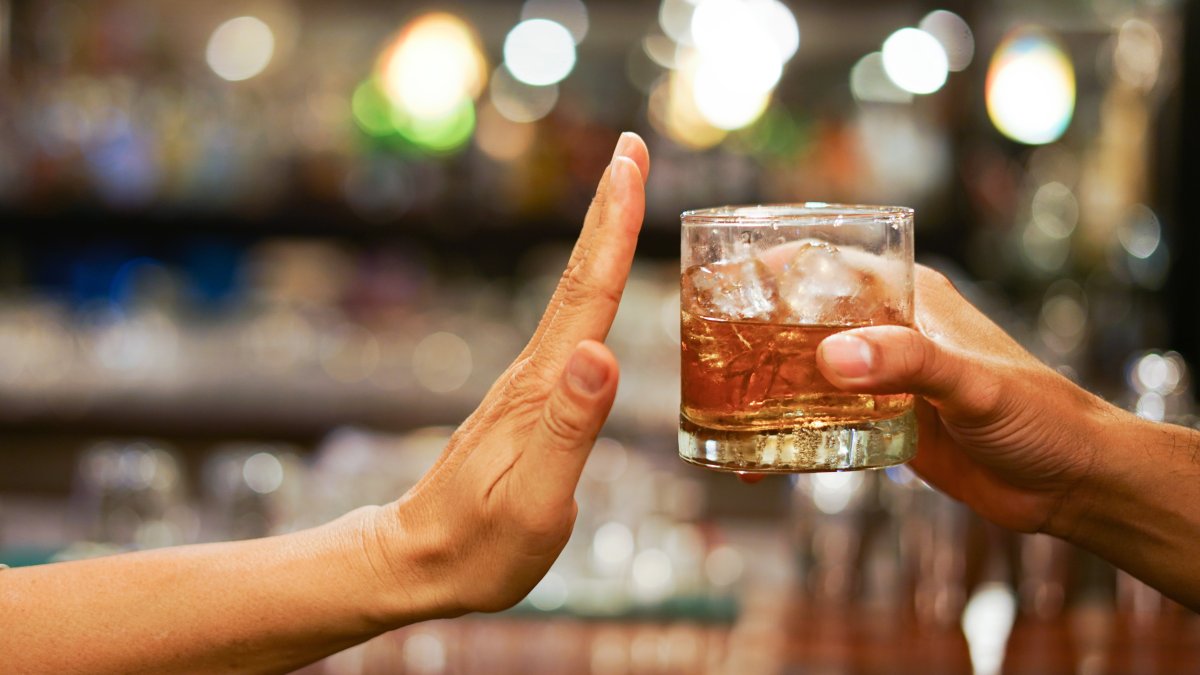
In South Florida, the classic invitation—“let’s grab a drink”—doesn’t mean what it used to. In cities like Miami, Fort Lauderdale and West Palm Beach, more and more people are cutting back on alcohol—or skipping it altogether—when they go out.
What once felt routine at happy hour—multiple rounds of cocktails, long stretches at the bar—is now shifting toward shorter, more mindful get-togethers… and often, alcohol-free.
And it’s not just about the cost: according to multiple recent studies and consumption data, the shift is generational, cultural and even medical.
Drinking less: the numbers back it up
Recent data supports this transformation. According to Gallup (2025), only 54% of U.S. adults drink alcohol—the lowest level in nearly 90 years.
An analysis by the Substance Abuse and Mental Health Services Administration (SAMHSA) shows that in Florida, monthly alcohol use fell from 58.8% in 2015 to about 52% in 2023.
Industry reports indicate that some South Florida restaurants have seen declines of up to 30% in alcohol-beverage revenue over the past five years.
Meanwhile, the U.S. weekly average dropped to 2.8 drinks per person—the lowest level since the 1990s.
Industry experts note that this isn’t just about “drinking less,” but about a much deeper cultural shift.
Health, wellness… and new priorities
One of the biggest drivers of change is health.
Recent research from the National Institute on Alcohol Abuse and Alcoholism warns that even low levels of drinking can carry risks—an idea gaining traction, especially among younger people.
On top of that is the rise of weight-loss medications like Ozempic (GLP-1), which can reduce the urge to drink for many patients, due to side effects like nausea or lower alcohol tolerance.
In Miami, where wellness and aesthetics carry real cultural weight, that factor has accelerated changing habits. “Since I changed my lifestyle, alcohol just stopped being a priority,” says Luis Herrera, from Kendall.🎙️
The price factor: is it worth it?
Another key factor is price. In areas like Brickell or Downtown Miami, going out can be expensive:
Cocktails: $15–$22
Glasses of wine: $16–$20
Today, a single round can cost as much as a full meal—and for many young people, like Raudel Vals, the choice is straightforward: “If a drink costs the same as dinner, I’d rather eat well.”
This shift in mindset is directly impacting bars and restaurants, which have historically relied on alcohol to drive profits.
New ways to socialize
Alcohol may be losing center stage, but social life isn’t.
Across South Florida, alternatives are on the rise, including:
Premium mocktails
Non-alcoholic beers and wines
“Functional” drinks (with adaptogens or vitamins)
THC options (where legal)
According to industry data, non-alcoholic drinks have grown by nearly 30% in volume in recent years, outpacing many traditional categories.
In neighborhoods like Wynwood or Miami Beach, it’s now common to see full “zero-proof” drink menus.
Young people: leading the change
The shift is especially strong among Gen Z and younger millennials:
Less interest in getting drunk
More focus on physical and mental wellness
Tighter control over spending
A preference for experiences (not excess)
In South Florida’s Latino communities, the change is more gradual, but it’s also visible: social traditions remain, but there’s a growing openness to alcohol-free options.
Restaurants reinventing themselves
The economic impact is clear. That’s why many businesses are evolving:
Carefully crafted mocktail menus
More complete dining experiences
Events that don’t revolve around alcohol
Creative beverages as a central part of the menu
The industry has already understood that the future can’t depend on alcohol alone.
The new “happy hour”
The traditional after-work drink is changing: fewer excesses, more balance, more intention.
In South Florida—especially among younger people—the question is no longer What are you having? Now it’s How do you want to feel tonight?
This story was translated from Spanish with the help of a generative artificial intelligence tool. An NBC 6 editor reviewed the translation.