
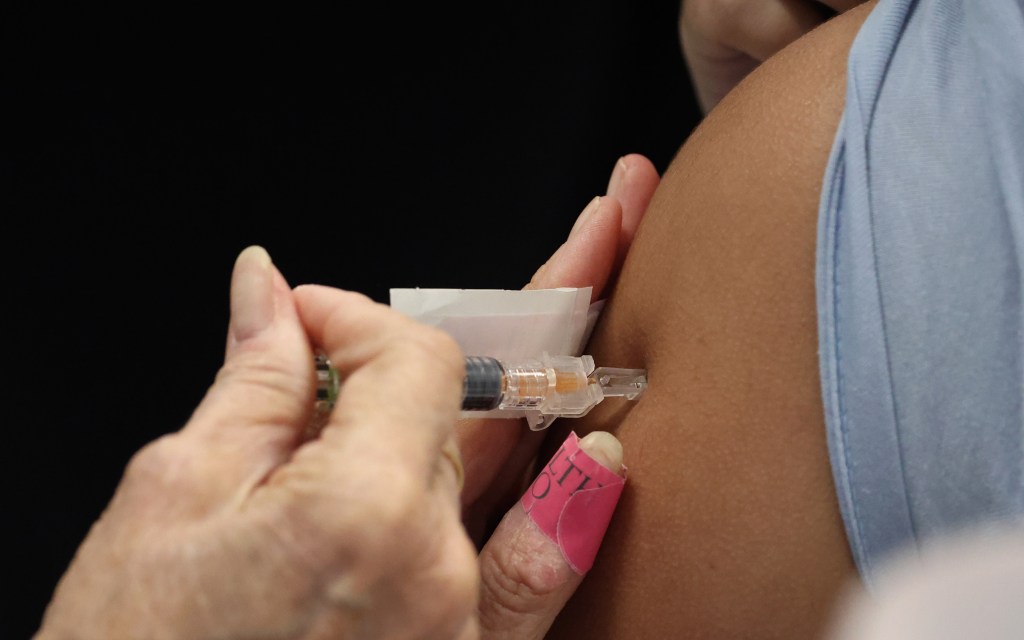
In North Central Florida, we are fortunate to have strong hospitals, dedicated pediatricians, and communities that care deeply about keeping children healthy. But over the past year, a troubling trend has begun to surface within the walls of our children’s hospitals, one I encounter far too often as a pediatric hospitalist.
I am seeing children hospitalized with diseases that should be rare. We’ve seen an increase in young children admitted with whooping cough, including infants too young to be fully vaccinated. Every labored breath and painful cough is a reminder that their parents did everything right and relied on the immunity of those around them. That is how community protection is meant to work. And it’s also how it fails when vaccination rates slip and herd immunity falls below the necessary threshold.
These are not theoretical concerns. They are the children we care for in our region. When vaccine protections weaken, the impact shows up first in emergency departments, on pediatric floors and in families’ daily lives.
That is why Florida’s long-standing school vaccine safeguards matter so profoundly. They are one of our most effective public health tools. These safeguards protect the children who are most vulnerable: infants too young for their full vaccine series, children with cancer or chronic illness, and students who depend on strong community immunity to participate safely in school.
Now, as lawmakers prepare for a special session in the coming weeks, Florida finds itself at a critical moment. At the same time preventable diseases are resurging, proposals are once again being advanced that would weaken the school vaccine safeguards that have protected students and communities for decades. From a clinical perspective, we know what works. Florida’s current standards have helped limit the spread of highly contagious diseases, and efforts to move away from those proven protections understandably raise concern among families and clinicians alike.
That concern is widely shared. Recent statewide polling shows that nearly eight in 10 voters want to keep existing school vaccine requirements in place, with strong support across party lines and among parents. More than 70% say that weakening exemption or reporting rules would actually make them more likely to support maintaining current safeguards. That degree of consensus is rare, and it reflects a shared understanding that predictability and prevention matter when it comes to children’s health and school safety.
On my pediatric hospital ward, those concerns are not theoretical. Families want to know that when they send their children to school, they are entering an environment where avoidable risks are minimized. They want classrooms to remain open and safe, and they do not want to revisit diseases they believed were already behind us.
 Some argue that this debate is about parental choice. As a pediatrician and mother, I support parents’ right to ask questions and make informed decisions to best protect their children. Every day, I sit with families, explain risks, review options, and earn their trust — that is the foundation of pediatrics. But infectious diseases do not pause at classroom doors or household boundaries. Our choices, especially in shared spaces filled with children, shape the safety of those around us.
That balance already exists in Florida law. Florida has a medical exemption process for children who truly cannot be vaccinated. Expanding nonmedical exemptions, however, weakens the very protections those medically vulnerable children depend on.
Our children deserve prevention, stability and classrooms where they can simply learn and grow. As a mom, I want my own children to be surrounded by safeguards that keep their schools healthy and predictable. As a pediatrician, I want the same for every family I meet. How can we justify banning peanut butter from classrooms to prevent anaphylaxis, while simultaneously making it easier to expose children to vaccine-preventable diseases?
Pediatricians will always be there when a child needs care. But good public policy should focus on preventing illness, not just responding to it after the fact. Preserving Florida’s school vaccine safeguards remains one of the most effective ways to do exactly that, and it is how we ensure that preventable diseases remain rare, where they belong.
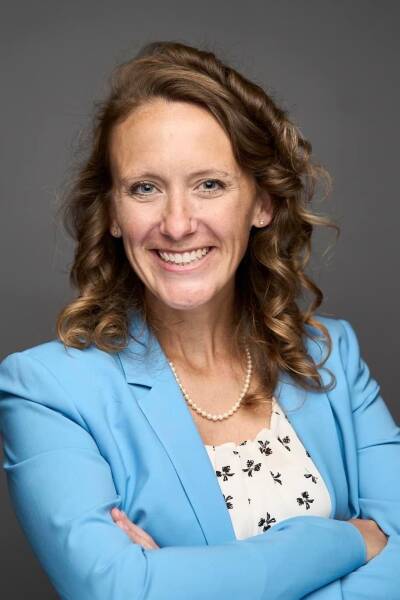
Sarah Marsicek is a pediatric hospital medicine physician and mom of three based in Gainesville.