
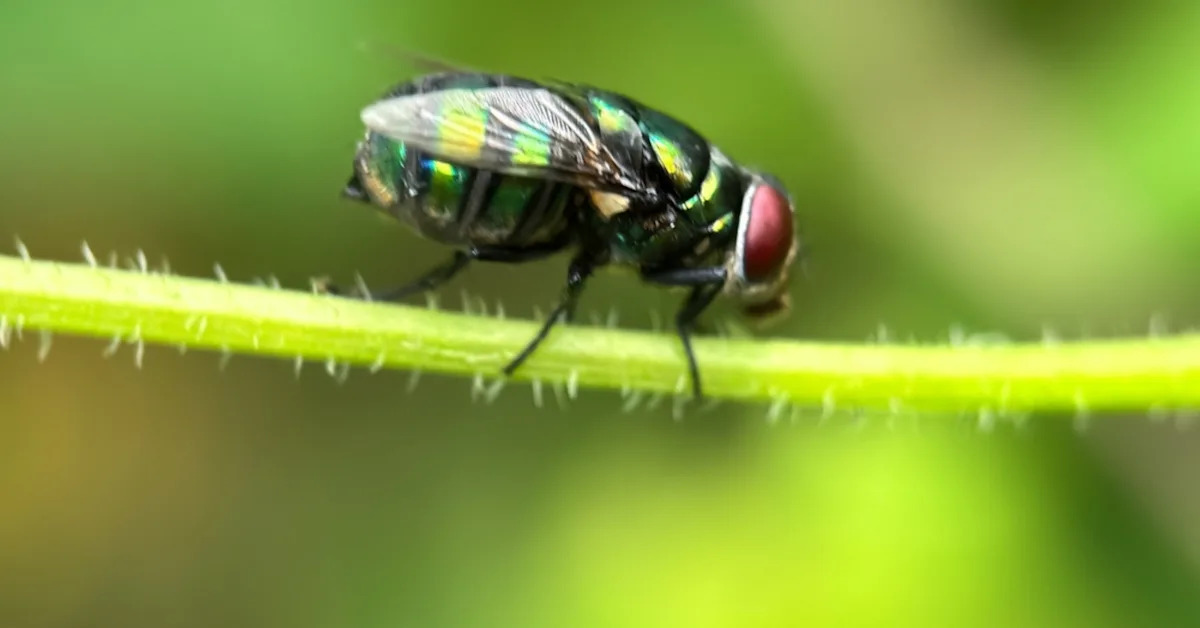
As the threat of New World screwworm edges closer to the United States, state officials are ramping up biosecurity measures, and the ripple effects are already being felt across the livestock industry.
Last week, Florida Agriculture Commissioner Wilton Simpson announced an emergency rule placing temporary restrictions on the importation of animals from certain South Texas counties after confirmed detections of the pest in Mexico within 60 miles of the U.S. border.
“Today we are taking aggressive action to further protect Florida and our agricultural producers from the real threat of the New World Screwworm,” Simpson said. “We know how costly and dangerous this pest can be to our agricultural industry if it takes hold, and we will use every tool at our disposal to protect our state.”
The emergency rule applies to six counties in South Texas: Zapata, Jim Hogg, Starr, Hidalgo, Webb, and Brooks, and requires enhanced veterinary inspections, treatment protocols, and official certification before animals can enter Florida.
Texas Agriculture Commissioner Sid Miller responded to Florida’s action, acknowledging the seriousness of the situation while emphasizing the broader implications for the U.S. livestock sector.
“Florida’s move is understandable. With the growing threat of New World screwworm, and as ground zero of America’s last outbreak a decade ago, they’re acting to protect their state. This isn’t a distant risk, and their heightened biosecurity makes that clear,” Miller said.
The New World screwworm, a parasitic fly whose larvae infest living tissue was eradicated from the United States decades ago but continues to move northward through Mexico. While no U.S. detections have been confirmed, officials warn that reintroduction would pose a serious threat to livestock, wildlife, pets, and the broader agricultural economy.
Miller stressed that the impacts are already being felt, particularly through disruptions tied to cross-border livestock movement.
“The impacts of New World screwworm are already here. The extended halt on cattle movement from Mexico alone is straining supply chains, cutting into Texas meatpacking capacity, and pushing prices higher for families nationwide. And let’s be clear; this threat isn’t going away anytime soon,” he said.
Florida’s rule requires all animals entering the state from designated high-risk areas to carry an Official Certificate of Veterinary Inspection confirming they are free of infectious disease and pests, including screwworm. Additional treatment requirements apply to animals with wounds, and documentation must be completed within strict timeframes prior to entry.
State officials are also urging producers and veterinarians to remain vigilant for signs of infestation, which typically appear as slow-healing wounds containing larvae. Early detection and rapid response are considered critical to preventing establishment of the pest.
Meanwhile, Miller called for a broader, more immediate response at the national level.
“While USDA works to build a sterile fly facility and coordinates with Mexico, we cannot afford to wait years for a single solution,” he said. “We need every available suppression tool in play, now. Our livestock, wildlife, pets, and consumers don’t have time to spare.”
»Related: Screwworm fears are reshaping the U.S. cattle feeding industry
The post Florida tightens animal import rules as screwworm threat nears U.S. appeared first on AGDAILY.