
A first community meeting about a planned new homeless shelter in east Orange County drew little opposition from the public, a stark contrast to the heated gatherings that have scuttled recent efforts to open such facilities in Orlando.
The Goldenrod Village Housing Navigation Center, to be built on a plot of county land at the corner of Colonial Drive and Goldenrod Road, would provide shelter beds for 150 people in an area of the county struggling with a large population of homeless people.
Central Florida, where housing costs are high and shelter space is scarce, is short about 750 beds for a homeless population that is about 2,000 people strong, county officials said. That leaves plenty of the area’s growing homeless population with nowhere to sleep, and those who gather in wooded areas of east Orange are miles from the existing shelters, clustered mostly in downtown Orlando.
A state law that requires police to arrest those camping in public spaces has made the need for shelters more acute.
Since that law was passed in 2024, officials from Orlando and Orange County have been searching for a location for a new shelter. But twice in the last two years, the plans capsized amid strong opposition from residents worried a shelter would bring crime to their neighborhood. That happened on sites along West Washington Street near Camping World Stadium and in Orlando’s SoDo district.
Organizers of Monday’s meeting at the Goldenrod Recreation Center set up 120 chairs, but only about 70 people attended. Many in attendance were not nearby residents but members of homeless advocacy groups who’d come from across Central Florida to show support for the project.
Some residents did show up, though, and asked questions about a shelter’s impact on safety, traffic and home values. They had to submit their questions in writing.
County Commissioner Mayra Uribe, who hosted the meeting, said she tried to address the concerns and hoped that the shelter’s design as a place people can remain inside the facility would limit the impact on nearby residents.
“When I first talked with them, they were concerned. They said we’ve done a lot to clean up the area,” Uribe said. “And I said, ‘Take a moment to listen. Because we’re not bringing a shelter where people are just going to hang out all day’.”
The new shelter will allow residents to bring pets, which most shelters prohibit, offer a drug and alcohol treatment program and mental health services and assign those admitted a caseworker who will help connect them with professional development programs.
“It’s not built for quick fixes. It’s meant to address the root of the problem,” said Lisa Klier-Graham, manager of the county’s Mental Health and Homelessness Division.
There will be security, and, because the shelter will be open all day, shelter residents are less likely to walk around the surrounding streets, officials said.
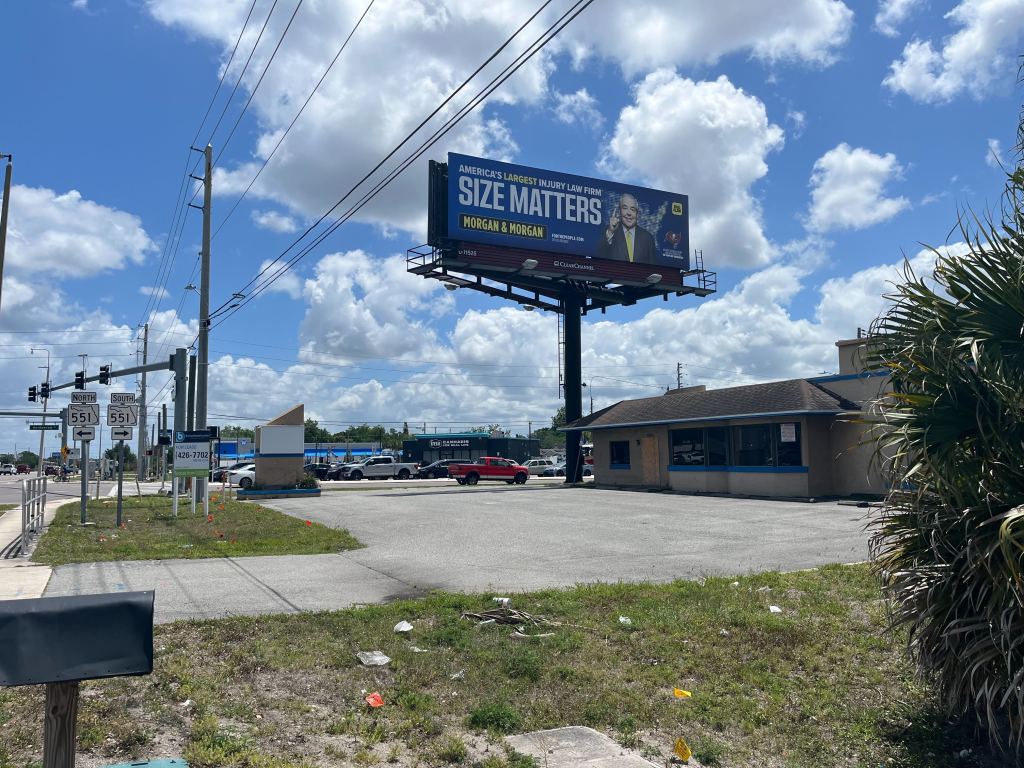
The shelter would be built on land that currently holds two empty, boarded-up buildings at a busy intersection with a McDonalds, a CVS and other retail businesses.
The site is less than three miles from Union Park, where a since-cleared homeless camp near Union Park Elementary School upset some residents and school officials. Union Park is also home to the Samaritan Resource Center, which provides drop-in services to homeless people but not a place to sleep and has become a gathering spot for them.
Vivian Happel, who lives near the site of the proposed shelter, attended the meeting with her husband and has doubts that shelter residents will remain in the facility.
The couple has lived in the area since 1981. Happel said she isn’t convinced the county’s planned services will be successful because so many homeless have difficult-to-solve problems.
She and her husband took in a homeless man years ago.
“He lived with us for a few months. And he was pretty good in the beginning. He was a nice guy, and we wanted to help,” Happel said. “And then I started finding beer cans everywhere outside. And I’m like ‘oh, no. I can’t do this.’”
Also, she said a house on their block has been taken over by homeless people and, since then, the police and paramedics have become a regular fixture on her street. She’s worried that, once the shelter is built, she will see more of that.
County officials answered the submitted questions from the audience, citing statistics that show home values have increased in other parts of the country where shelters have been built and assuring residents that tight security will ensure safety.
The project is expected to take up to four years to build. Officials said they will work to mitigate the impacts construction might have on surrounding businesses.
They will host a second meeting on the shelter on May 11.
The subdued meeting was a stark contrast to a 2024 meeting at the West Lakes Wellness Center for a proposed shelter near Camping World Stadium that drew hundreds of people and, at times, dissolved into shouting as angry residents voiced concern to city officials.
When the SoDo shelter was announced, nearby residents decorated their yards with signs that read “Stop SoDo Shelter,” and officials from Orlando Health came out in opposition of the facility. Mayor Buddy Dyer said in March 2025 that the city would not pursue the site because “the neighborhood opposition has just been overwhelming.”
Homeless advocates were pleased after Monday’s meeting.
“I thought there were good, legitimate questions being asked and I was satisfied with the answers they gave,” said Kathleen Fitzgerald, a member of the shelter advocacy group Support Orlando Shelters, who does not live in the area.
Uribe was also optimistic.
“It went great, in my opinion,” she said. “There was one person who was upset, they were like, ‘150 beds isn’t enough’. But if we don’t start somewhere, where do we go? We’ve got to try and do something.”