
 Cristian Valderas Fotografo
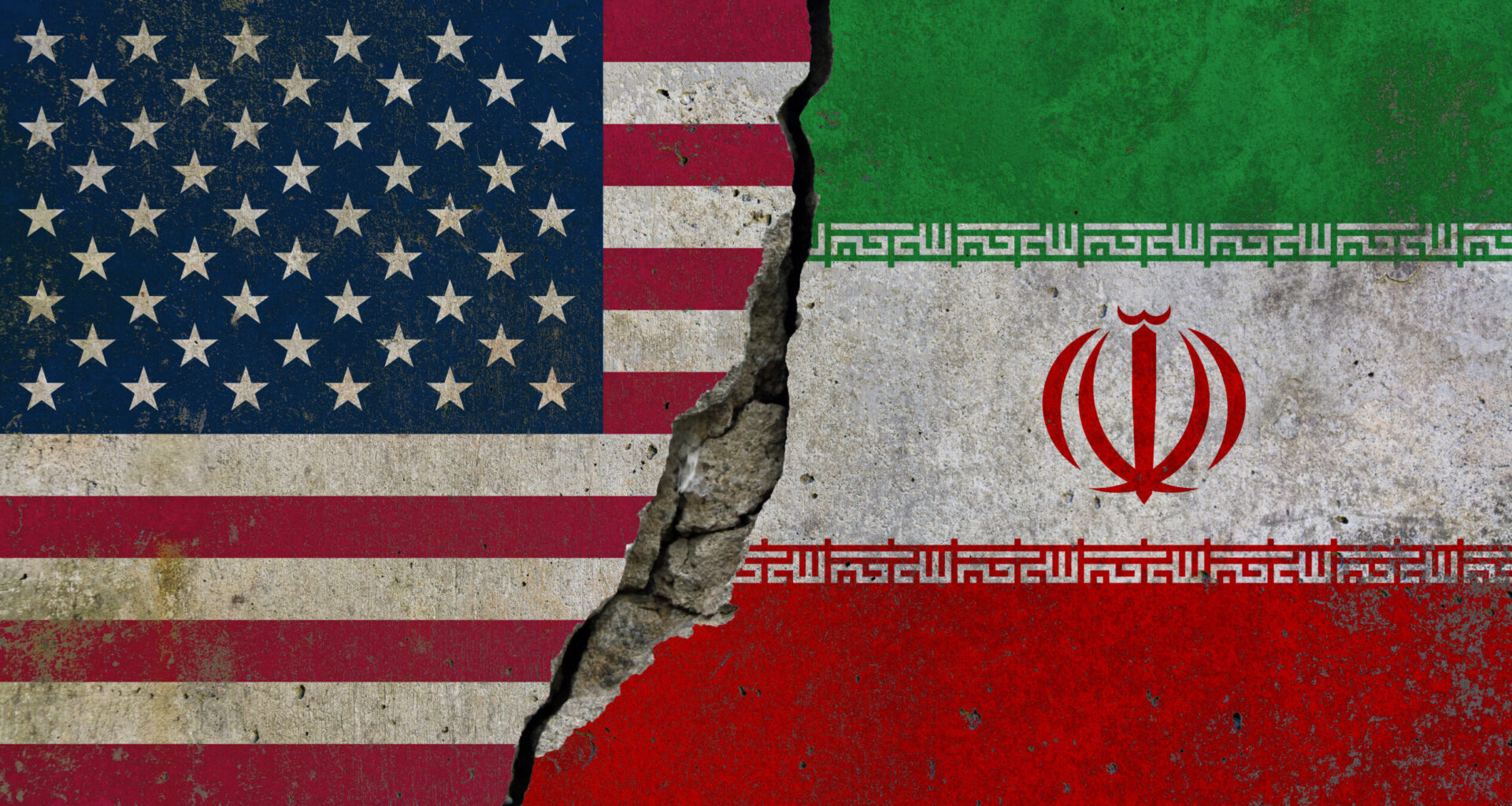
America and Iran remain at war. (Adobe Stock)
The war in Iran is raising concerns at Florida A&M University about stability, oil supply disruptions and the economic toll reaching American households.
A coordinated military strike by the United States and Israel on Feb. 28 targeting key sites in Iran has ignited a rapidly escalating conflict across the Middle East. The strikes, aimed at weakening Iran’s political and military leadership, come amid longstanding tensions rooted in decades of hostility between the nations. Since February, retaliatory strikes have intensified; global oil prices have fluctuated sharply, and concerns over a wider regional conflict continue to grow.
Florida A&M University political science professor Dr. Victor Eno said the conflict cannot be understood without its historical context.
“The conflict has a long history dating from the Iranian Islamic revolution in 1979, when Iran declared Israel and the U.S. its enemies,” Eno said, noting continued clashes over Iran’s regional influence and nuclear ambitions.
Instead, the offensive has triggered retaliation and instability across critical trade routes, particularly in the Strait of Hormuz — a narrow waterway responsible for transporting roughly 20% of the world’s oil supply. Analysts warn that disruptions there often send shockwaves through global markets.
Eno said Iran’s actions in the strait are already having severe consequences.
“Iran is attacking ships that carry oil and gas through that route and has laid mines … so oil and shipping companies are afraid,” he said. “Limited supply has led to high demand and high prices, which translate into inflation.”
Gas prices in the United States have climbed sharply in recent weeks, with ripple effects hitting grocery costs and everyday expenses. For many Americans, the impact is immediate and unavoidable.
“When you have to spend so much on buying gas, you will have less left to spend on other essential everyday needs,” Eno said.
Students and young adults are also closely watching the situation unfold, grappling with both its geopolitical implications and its personal impact.
Mekhi “MJ” Phillips, a senior political science major at FAMU, described the escalation as “unwarranted and dangerous,” criticizing what he sees as a lack of transparency.
“What stands out most is the lack of clear objectives for the campaign,” Phillips said. “Foreign policy isn’t some intern-level position — one miscommunication, misunderstanding, or unnecessary bolstering can spell disaster for a region already in turmoil.”
Phillips added that economic consequences could disproportionately affect vulnerable communities.
“The increase in oil is already affecting Black people disproportionately,” he said. “Costs of food will definitely rise as it takes oil to produce it.”
For others, the rising cost of gas serves as one of the clearest connections between an overseas conflict and life at home.
Donnell Junior Dunn, a FAMU alumnus, said Americans may not fully grasp the gravity of the situation until economic strain intensifies.
“I think the only thing that can make students feel something … would be serious economic devastation,” Dunn said. “International events affect us, but we’re often too far removed to fully understand.”
As tensions continue to rise, experts warn that without clear diplomatic direction, the conflict could deepen, with consequences stretching far beyond the battlefield — and into the daily lives of millions.