
SILENT KILLER IS WIPING OUT LAWNS ACROSS OUR GULF COAST. AND BY THE TIME YOU NOTICED IT COULD ALREADY BE TOO LATE. THERE’S NO CHEMICAL OR NO SPRAY THAT WILL GET RID OF THE VIRUS. NOW AT 7 GULF COAST NEWS REPORTER NATASHA CAUSE. SOL EXPLAINS HOW TO STOP THE SPREAD OF THE LONG KILLING VIRUS. SO YOU’RE NOT LEFT PAYING FOR THE LOSS. YOU KNOW, THE SAYING THE GRASS IS ALWAYS GREENER ON THE OTHER SIDE. BUT LATELY SOME LAWNS AREN’T LOOKING SO GREEN. >> A VIRUS IS SPREADING THROUGH CERTAIN GRASSES, LEAVING LAWNS, PATCHY AND DISCOLORED. >> HOME OWNERS LOVE THEIR LAWNS. AND RIGHT NOW A DEADLY VIRUS IS SPREADING ACROSS GULF COAST LINES. THE SUGARCANE MOSAIC VIRUS IS A VIRUS OF SAINT AUGUSTINE GRASS AND ALSO SUGAR CANE IS WHERE IT HAS ITS ORIGINS. CHERYL VANDER HEIDEN IS A RESIDENTIAL HORTICULTURAL AGENT FOR LEE COUNTY AND THE UNIVERSITY OF FLORIDA. SHE SAYS HOMEOWNERS NEED TO BE VIGILANT BUT DON’T HAVE KNEE-JERK REACTIONS. SO IT’S VERY IMPORTANT THAT IF YOU THINK YOU SEE THAT CHEEKY KIND OF WAS A PATTERN. >> THE KIND OF RUNS ALONG THE PARALLEL VEINS OF THE BLADE. IF YOU SEE THAT IN SOME OF YEAR GRASS, MAKE SURE THAT YOU SEND THE SAMPLE TO THE UF IFAS EXTENSION. THAT PATHOLOGY LAB IN GAINESVILLE. IF YOUR LAWN DOES TEST POSITIVE, THERE IS SOME GOOD NEWS. IT CAN TAKE UP TO 5 YEARS TO KILL YOUR YARD. THE BAD NEWS THERE IS NO YOUR. >> TO GET RID OF THE VIRUS. TIM DUFFY IS ON DOCTORS. HE SAYS HE’S SEEN WHAT THE VIRUS CAN DO IN BOTH LEE AND COLLIER COUNTIES. HE TELLS ME THE VIRUS IS FOUND INSIDE. AT FIRST IT LOOKS LIKE A FUNGUS. BY THE TIME YOU SPOT IT. IT’S TOO LATE. WHICH MEANS YOU COULD BE STUCK WITH THOUSANDS OF DOLLARS AND REPLACEMENT COSTS. ONLY SO MANY THINGS YOU CAN DO. THE VIRUS IS MOSTLY ACTIVE. >> LATE OCTOBER, NOVEMBER, DECEMBER, THIS TIME OF YEAR, WHATEVER VIRUS IS THERE IS IN RECOVERY MODE. SO THE LAWNS ARE STARTING TO RECOVER. AND NEXT YEAR. >> IT WILL COME BACK. THE VIRUS CAN SPREAD THROUGH IN SACKS AND LAWN EQUIPMENT. SO IF YOU HAVE A LANDSCAPING SERVICE IN MIGHT BE WORTH A FEW EXTRA QUESTIONS THEY CAN CLEAN OFF THEIR PLAYS AND CLEAN OFF. >> THEIR MOWERS AND MAKE SURE THAT THERE’S NO LIVING PLANT MATERIAL. THEY GETS TRANSFERRED FROM ONE NON TO THE NEXT. IF YOU MOW YOUR OWN LAWN, THERE ARE SOME PREVENTATIVE MEASURES YOU CAN TAKE. YOU HAVE THE MOMENT AT A PROPER HEIGHT. WE RECOMMEND 3 AND A HALF, 3 AND A HALF TO 4 INCHES WATER WHEN IT NEEDS THAT. >> AND JUST THE PROPER MAINTENANCE IS IS KEY, AT LEAST CONTROL THE VIRUS AS MUCH AS WE CAN, EVEN THOUGH THERE’S NO CHEMICAL OR NO SPRAY THAT WILL
Sugar cane mosaic virus affects lawns across Florida
The sugar cane mosaic virus is spreading through Florida lawns, causing patchy and discolored grass with no available cure.

Updated: 7:36 AM EDT Apr 29, 2026
A virus known as sugar cane mosaic virus (SMV) is spreading through lawns across Florida, including the Gulf Coast, leaving yards patchy and discolored.Sheryl Van Der Heiden, a residential horticulture agent for Lee County and the University of Florida IFAS Extension Office, explained that SMV affects Saint Augustine grass and sugar canes, where it originated and was first described in 1919.Van Der Heiden advised homeowners not to immediately assume their grass is infected, as SMV can resemble other lawn diseases. “It’s very important that if you think you see that streaky kind of mosaic pattern that kind of runs along the parallel veins of the blade, if you see that in some of your grass, make sure that you send a sample to the UF IFAS Extension Plant Pathology Lab in Gainesville,” she said. If a sample tests positive for SMV, it can take two to five years for the grass to develop lethal viral necrosis, which kills the entire plant.Tim Duffy from Lawn Doctor has encountered SMV in Lee and Collier counties. “But there is no cure to get rid of the virus,” Duffy said. He noted that the virus is found in the sod of Saint Augustine grass and initially appears like a fungus, but is undetectable until it is too late. The only way to remove the virus is to physically dig it up, which can cost homeowners thousands of dollars to replace.”You have to either tear out and resod or, you know, there’s only so many things you can do,” Duffy said. He explained that the virus is mostly active in late October, November, and December, and while lawns are starting to recover, the virus will return next year. SMV can spread through insects and lawn equipment like lawn mowers, so Van Der Heiden recommended ensuring landscapers clean their blades and mowers to prevent transferring living plant material. “If it’s dried out, the virus dies. So, that’s one way to control it,” she said.For those who mow their own lawns, Duffy suggested maintaining grass at three and a half to four inches, watering when needed, and proper maintenance to help control the virus. “We recommend three and a half, three and a half to four inches, water when it needs it. And just the proper maintenance is key to helping this virus,” Duffy said. Despite there being no chemical or spray available to eliminate the virus, these measures can help manage its impact.Homeowners are encouraged to send samples to the UF IFAS Extension Plant Pathology Lab if their grass appears discolored or patchy.DOWNLOAD the free Gulf Coast News app for your latest news and alerts on breaking news, weather, sports, entertainment, and more on your phone or tablet. And check out the Very Local Gulf Coast app to stream news, entertainment and original programming on your TV.
LEE COUNTY, Fla. —
A virus known as sugar cane mosaic virus (SMV) is spreading through lawns across Florida, including the Gulf Coast, leaving yards patchy and discolored.
Sheryl Van Der Heiden, a residential horticulture agent for Lee County and the University of Florida IFAS Extension Office, explained that SMV affects Saint Augustine grass and sugar canes, where it originated and was first described in 1919.
Van Der Heiden advised homeowners not to immediately assume their grass is infected, as SMV can resemble other lawn diseases. “It’s very important that if you think you see that streaky kind of mosaic pattern that kind of runs along the parallel veins of the blade, if you see that in some of your grass, make sure that you send a sample to the UF IFAS Extension Plant Pathology Lab in Gainesville,” she said. If a sample tests positive for SMV, it can take two to five years for the grass to develop lethal viral necrosis, which kills the entire plant.
Tim Duffy from Lawn Doctor has encountered SMV in Lee and Collier counties. “But there is no cure to get rid of the virus,” Duffy said. He noted that the virus is found in the sod of Saint Augustine grass and initially appears like a fungus, but is undetectable until it is too late. The only way to remove the virus is to physically dig it up, which can cost homeowners thousands of dollars to replace.
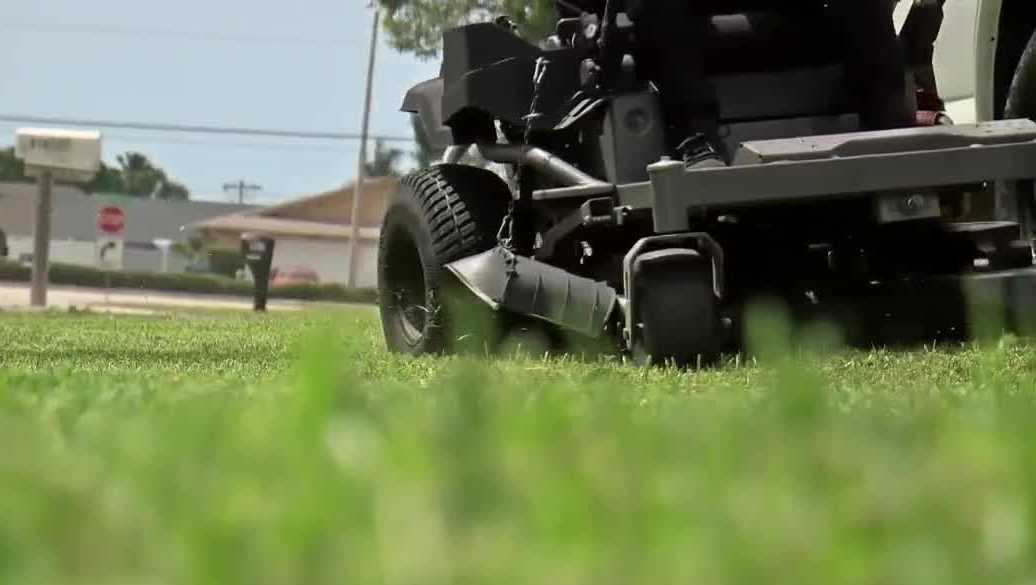
“You have to either tear out and resod or, you know, there’s only so many things you can do,” Duffy said. He explained that the virus is mostly active in late October, November, and December, and while lawns are starting to recover, the virus will return next year. SMV can spread through insects and lawn equipment like lawn mowers, so Van Der Heiden recommended ensuring landscapers clean their blades and mowers to prevent transferring living plant material. “If it’s dried out, the virus dies. So, that’s one way to control it,” she said.
For those who mow their own lawns, Duffy suggested maintaining grass at three and a half to four inches, watering when needed, and proper maintenance to help control the virus. “We recommend three and a half, three and a half to four inches, water when it needs it. And just the proper maintenance is key to helping this virus,” Duffy said. Despite there being no chemical or spray available to eliminate the virus, these measures can help manage its impact.
Homeowners are encouraged to send samples to the UF IFAS Extension Plant Pathology Lab if their grass appears discolored or patchy.
DOWNLOAD the free Gulf Coast News app for your latest news and alerts on breaking news, weather, sports, entertainment, and more on your phone or tablet. And check out the Very Local Gulf Coast app to stream news, entertainment and original programming on your TV.