
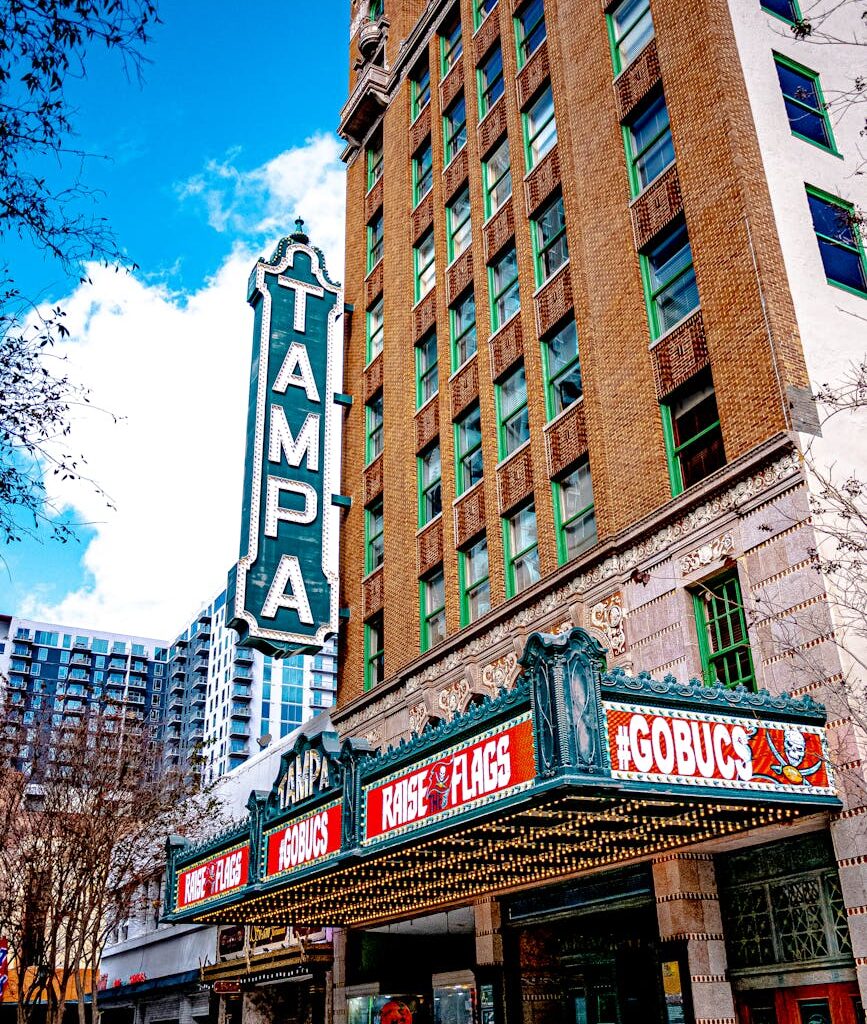
Tampa, FL has moved well past its reputation as a stopover between Orlando and Miami. It’s a genuinely compelling city with a diversified economy, a waterfront that actually gets used, and a cost of living that still makes sense relative to what you get. People who move here are often surprised by how quickly it starts to feel like home. Before you finalize your plans, here’s what’s worth knowing upfront.
The Cost of Living Has Shifted, But Still Compares Well
Tampa’s affordability relative to other major Florida metros took a hit during the post-pandemic migration wave, but it remains competitive. Median home prices currently sit in the $380,000–$450,000 range depending on the neighborhood, and while that’s a significant jump from five years ago, it still undercuts comparable markets in Miami and the broader South Florida region considerably.
Rentals have followed a similar trajectory. A two-bedroom apartment in most Tampa neighborhoods runs $1,800–$2,400/month, with waterfront and Hyde Park addresses pushing higher. Florida’s lack of state income tax remains a meaningful financial factor for anyone relocating from states like New York, California, or Illinois, the monthly savings often reframe the cost comparison entirely.
Flood insurance is a line item that catches some new arrivals off guard. Depending on your property’s flood zone designation, annual premiums can range from modest to substantial. Check FEMA flood maps before you make an offer on anything near the water.
Neighborhoods: Tampa Has More Range Than People Expect
Hyde Park is Tampa’s most walkable and established upscale neighborhood, sitting just southwest of downtown along Bayshore Boulevard. Bungalows, boutique retail, and a dense restaurant scene make it the first choice for professionals who want urban character without high-rise living.
South Tampa broadly refers to the peninsula between the Hillsborough River and Tampa Bay, encompassing Hyde Park and extending south through Palma Ceia and Ballast Point. It’s consistently the most sought-after residential area in the city, with the trade-off being higher prices and significant flood zone exposure.
Seminole Heights has transformed over the past decade into one of Tampa’s most interesting neighborhoods, craftsman bungalows, independent restaurants, craft breweries, and a creative community that’s attracted younger residents and investors in equal measure.
New Tampa and Wesley Chapel offer newer construction, larger lots, and strong school options for families who prioritize space and infrastructure over proximity to downtown. Wesley Chapel technically sits outside Tampa city limits but functions as a de facto extension of the metro for most practical purposes.
Channelside and Water Street represent Tampa’s most ambitious urban development, a mixed-use district anchored by Water Street Tampa, a multi-billion dollar project that has fundamentally changed the city’s downtown skyline and residential density.
The Job Market Is Genuinely Diversified
Tampa’s economy doesn’t rely on a single industry, which gives it resilience that single-sector cities lack. Financial services, healthcare, technology, defense, and tourism all contribute meaningfully. Raymond James, Citigroup, and USAA have major Tampa operations. Tampa General Hospital and AdventHealth are significant healthcare employers. MacDill Air Force Base anchors a substantial defense economy on the southern tip of the peninsula.
The technology sector has expanded considerably, driven by companies relocating from higher-cost metros and a growing local talent base from the University of South Florida and the University of Tampa. For remote workers, Tampa offers a combination of lifestyle, infrastructure, and airport access, Tampa International is consistently rated among the best mid-sized airports in the country, that makes it a practical home base.
Weather and Hurricane Preparedness
Tampa’s climate is genuinely appealing for most of the year. Winters are mild, spring and fall are ideal, and even summer, though hot and humid with near-daily afternoon thunderstorms, has its rhythms once you adapt.
Hurricane exposure is real and worth taking seriously. Tampa Bay’s geography actually creates a specific storm surge risk that goes beyond wind damage, the bay’s shape can funnel water in ways that amplify surge during a direct hit. This doesn’t mean avoiding Tampa, but it does mean having a preparedness plan, knowing your evacuation zone, and understanding your insurance coverage before storm season begins in June.
Planning Your Move to Tampa, FL
Tampa’s geography, bridges, causeways, and distinct neighborhood street layouts, means local knowledge matters on move day. Coordinating moving to Tampa with professionals who know the area, from downtown’s parking constraints to the HOA requirements in New Tampa’s planned communities, makes a meaningful difference in how the day unfolds.
Book early for summer moves. Tampa’s peak relocation season runs May through August, and availability across the metro tightens considerably during that window.
Tampa rewards people who arrive prepared. Understand the flood insurance landscape, pick the right neighborhood for your lifestyle, and the city tends to deliver on what it promises.
Like this:
Like Loading…
Related
What else you should know
SUPPORT OUR WORK
Stories like this hold leaders accountable. We fact-checked GOP lawmakers’ claims, analyzed the county budget, and gave you the whole picture — not just the headlines. Support independent journalism for $2/week.